
Science and Technology as Magic Bullet for Africa
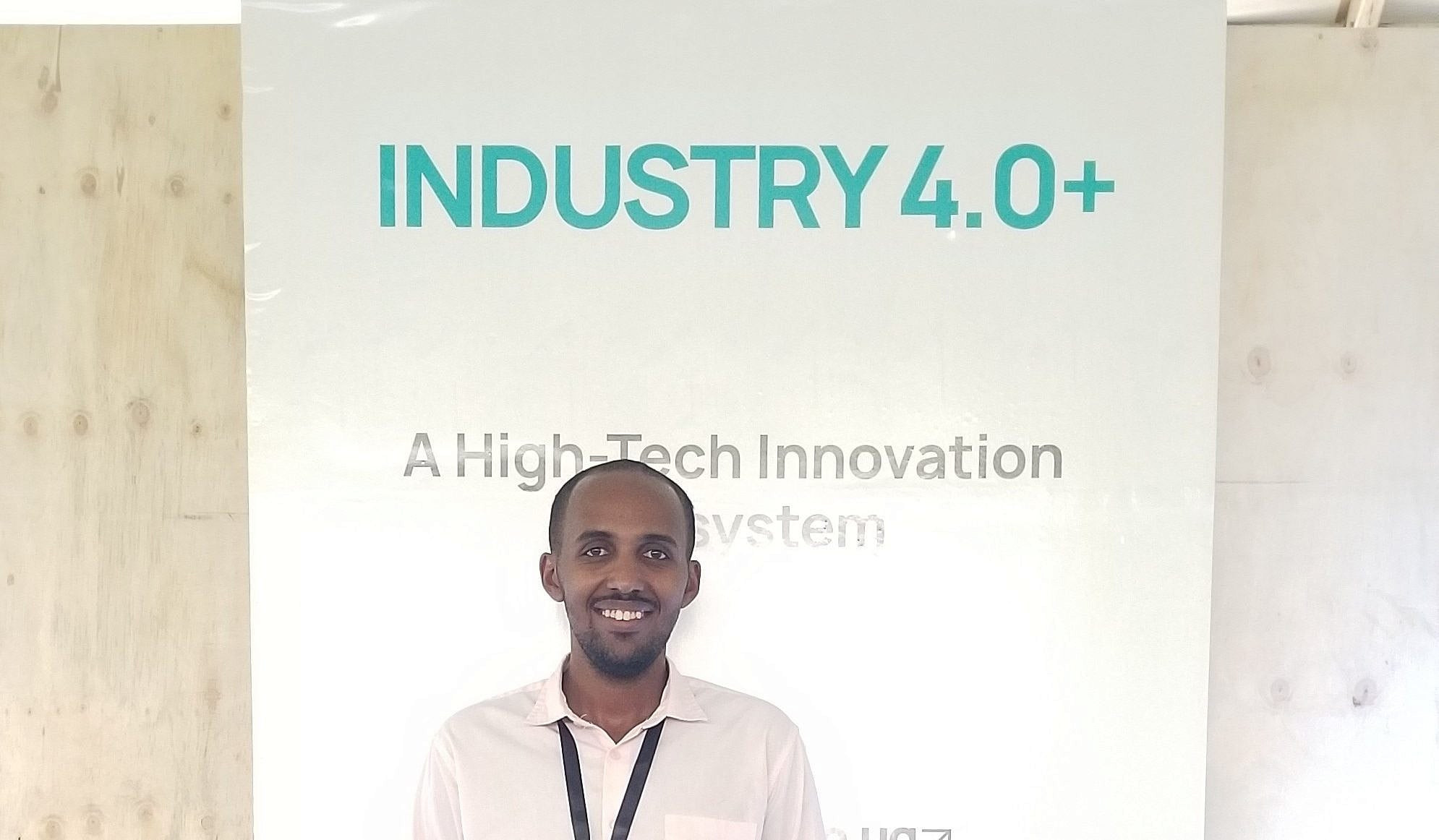
I co-founded a health-tech startup roughly 5 years ago in Kampala, though I initially wanted Nairobi or Kigali due to the thriving ecosystem, with a medical school classmate who became a brother. We were both dismayed by the state of healthcare we saw firsthand. A slow, inefficient, erroneous, and burned-out healthcare workers, which we believed could all be solved by technology. 5 years down the line, I have come to see the good, the bad, and the ugly of the startup ecosystem in Uganda, Africa, and comparatively, the developed world.
That is why I marveled at the recent Uganda National Science Week 2026 titled “STI Works: Powering Uganda to a USD 500 Billion Economy” hosted by the de facto Startup authority of Uganda, the Science, Technology, and Innovation Secretariat (Office of the President). It was my second time attending; we exhibited last year and even pitched in front of local and international investors. I applaud the heavy complex task taken by this office, whichis trying to inspire hope and positivity for the future despite the sea of cynicism against the true value of Science, Technology, and Innovation in changing Africa’s fortunes from a donor dependent continent to a future equals on the table and even donors themselves when can use South Korea as an example of such a phenomenon of less than a century.
Another country that has been called the Startup Nation of the world is Israel. They have done the impossible of not just building a state, but rather a successful state, even though they don’t largely trade with their neighbors, have access to natural resources like oil and have to spend a big chunk of their budget on the military. The so-called Silicon Wadi (Valley in Arabic) possesses the highest rate of start-ups per capita and the third highest number of start-ups per region in the world.
How did they achieve such magnificent heights? It can be attributed to three main reasons. Firstly, mandatory military training and investment in military tech gives them a leverage of hands-on experiences, soldiers with the latest tech, and provides them with incubators to support their innovation, which can later be adapted to usage in civil settings. Secondly, strategic government support and funding, like the Yozma program, which in the 90s invested in venture capital firms to stimulate the industry while reducing the risks involved, as well as creating policies to reduce bureaucracy and tape for startups and investors. Lastly, the entrepreneurial culture which is a unique blend of Chutzpah (a Hebrew term for audacity), creates a sense of risk-taking willingness to embrace failure. This encourages rather than discourages innovation and community support for the innovators. This has produced successful startups like Wiz (a cybersecurity startup acquired by Google for a record 32 billion USD), Fiverr (a global platform for freelancers), and Q.ai (an AI audio startup acquired by Apple for 2 billion USD).
I believe the same story can happen in Uganda and Africa if we don’t just copy and paste but rather learn those lessons and apply them to our context. As the Hon. Minister Dr. Monica Musenero Masanza stated in her 5-year STI Status Report, there has to be a synergistic intentional strategy by all the ecosystem players, including the policymakers, regulators, founders, investors, customers, industry, media, and the public at large, to embrace a culture of STI with Chutzpah. Maybe instead of praising PhD holders with grants and titles, we need to do more for young innovators who risk it all to create a better future, as Mr Start Up, the late Steve Jobs, said, in the famous Think Different Apple advert, which brought back its renaissance in the late 90s, Here’s to the Crazy Ones.