Spotlight on Civil Society
Seeing community through a new kaleidoscope
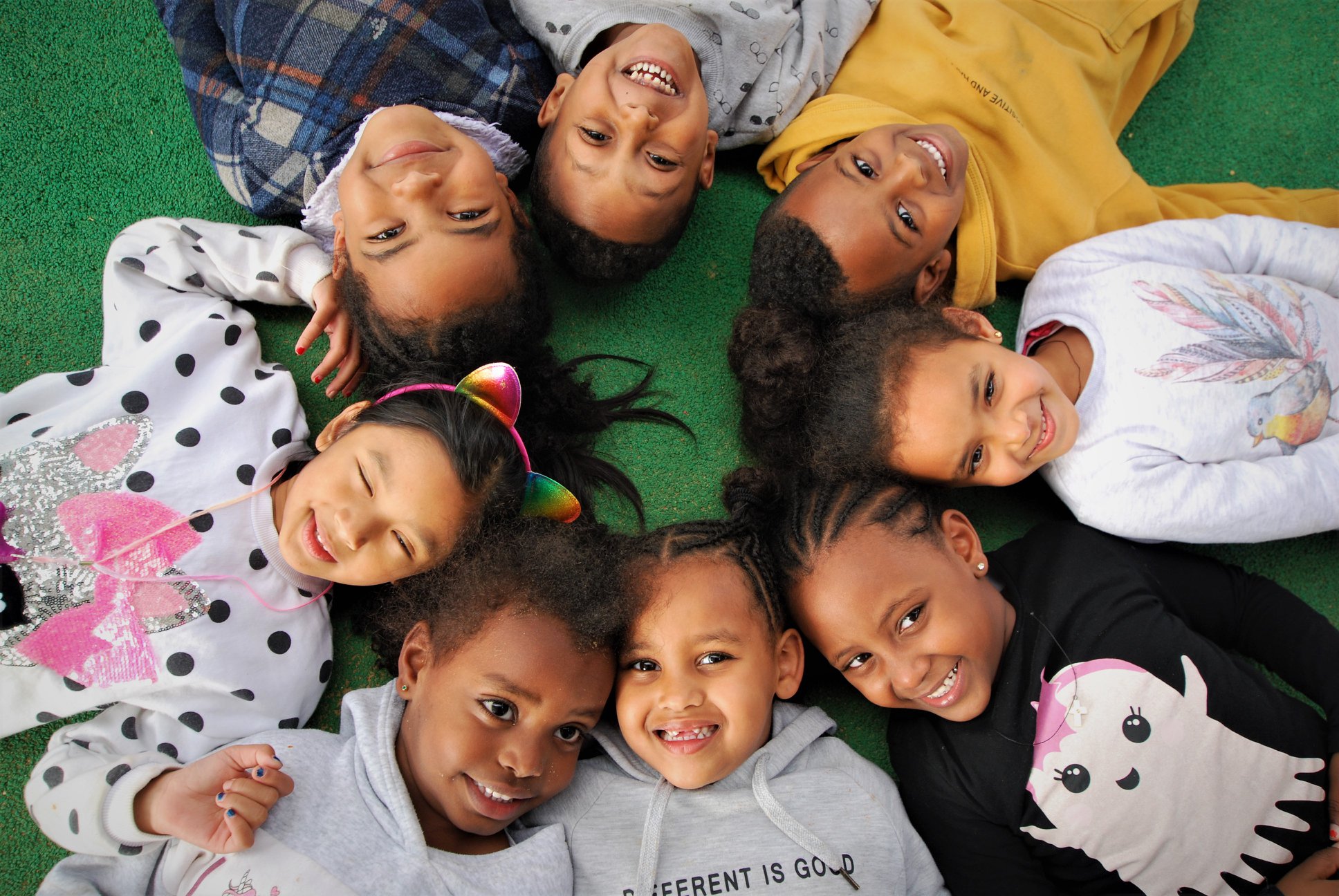
Children at Unitaf's after school program in the Lishanski kindergarten in South Tel Aviv. Winter, 2020. Credit: Unitaf
Over this past year, torrents of bad news haven’t entirely blotted out the heartwarming stories of community efforts to help cope with the pandemic. These ‘pop up’ versions of goodwill are distinguished by their creativity as much as by the speed in which they were activated — from WhatsApp groups coordinating shopping for home-bound elderly to neighborhood restaurants donating food to local residents.
Each time someone reached out, it seemed like a dent was being made in the collective anxiety we all felt, a message of “we see you; you are not alone.”
And even during our many lockdowns, the option of volunteering for various community-based initiatives — rightfully categorized as ‘essential’ — helped reduce the stress levels of everyone. After all, we were stuck in so many ways. If our only superpower at this point was compassion, at least we could tip the scale away from an overwhelming sense of powerlessness.
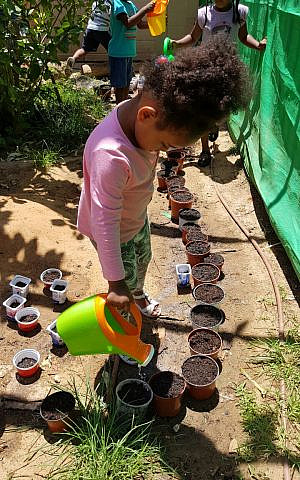
All of us did what we could, and we also happily sent our own kids out each week. Together with classmates, they did everything from baking bread for families in distress and picking vegetables in overgrown fields to holding outdoor musical concerts at nursing homes.
During this precarious time, many of these grassroots efforts have given us a new lens and a new curiosity about our own communities. Space has opened up for us to reconsider both individual realities and our collective responses.
As we shift to a different stage in this pandemic, we will see how the structure of these local initiatives evolves. What will they decide to do? There are lots of possibilities, from staying in the format of an ad hoc response to a more institutionalized effort, and much in between.
One example that we can look to is an NGO like Unitaf that has long ago become accustomed to operating in the ‘in between’ space — providing an emergency response together with longer-term solutions, navigating a web of governmental partnerships while staying grassroots.
Working in this ‘in between’ space requires a more expansive view of how we define community, something that Unitaf has been promoting for years.
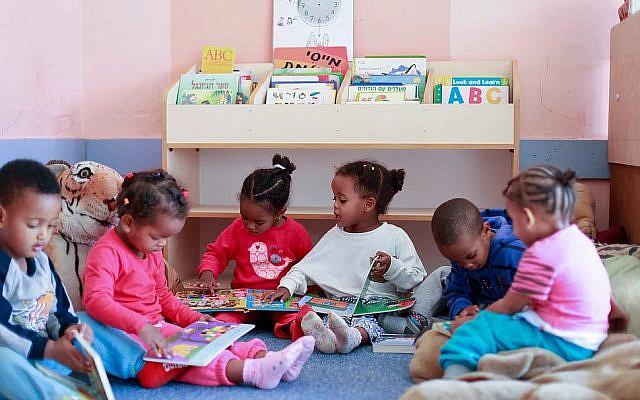
Unitaf takes on the challenging mission of protecting the childhood of thousands of children living without official status in South Tel Aviv. For the last 15 years, it has created an ecosystem that is grounded in the community spirit that we have seen so much of in an unabridged version this past year. This is especially critical when overcompensating for a less than neighborly welcome often greeting them upon arrival.
Unitaf builds community both from the inside-out and from the outside-in. Each of its varied efforts works to support the education and overall wellbeing of status-less children and their families. Born to asylum seekers, migrant workers or undocumented parents, these children might easily fall through the cracks — lacking the rights and protections given to children with documented status.
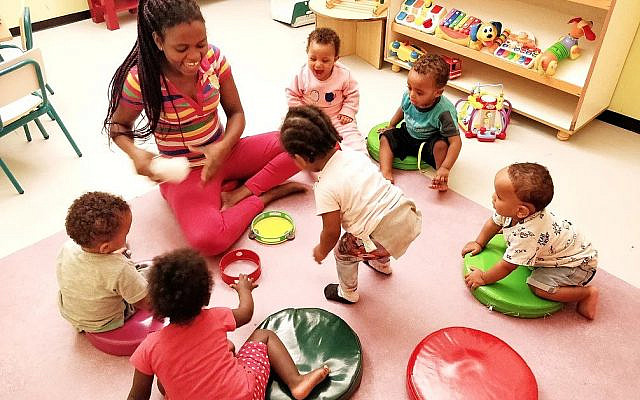
First Unitaf starts out with more sustainable solutions that it has set in motion. A myriad of support is given to the caregivers, foreign immigrants and asylum seekers themselves, who receive on-the-job training from Unitaf to operate daycare facilities. The caregivers, while maintaining their own independence as daycare providers, are able to operate within municipal-funded facilities.
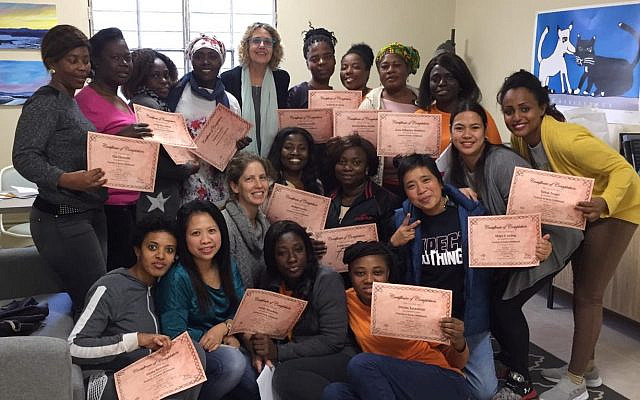
Unitaf’s team of social workers, volunteers and educators provide ongoing training and supervision. Standards are set, such as a proper caregiver-to-children ratio. While still unable to provide a solution for all of the status-less children, Unitaf is able to spare many families the option of ‘child warehouses’ — named as such for offering illegal and sub-standard care.
The parents are the next building block. Parenting groups, birthing circles, and childcare groups help to build broader networks among the families themselves. These groups are part of a longer-term investment that is sustainable, with the caregivers and Unitaf team taking a leading role in coaching best practices of early childhood education and childhood development.
Unfortunately, out of necessity, Unitaf works in emergency mode as well. Nimbly providing Band-Aid solutions and responding to crises are skillsets that are also part of their toolkit. As we can imagine, the pandemic created more upheaval, especially for so many members of the asylum seekers and refugee community who had found work in service industries only to have those industries completely shut down.
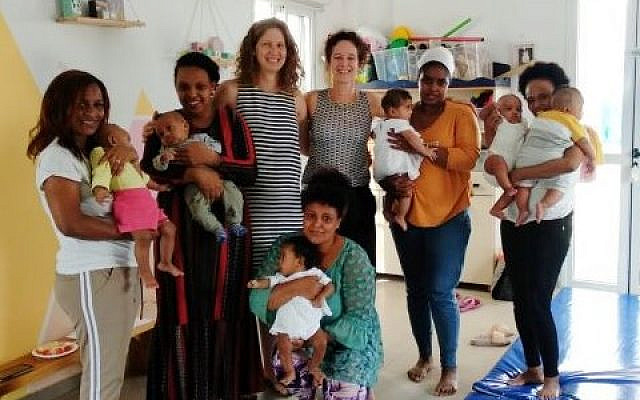
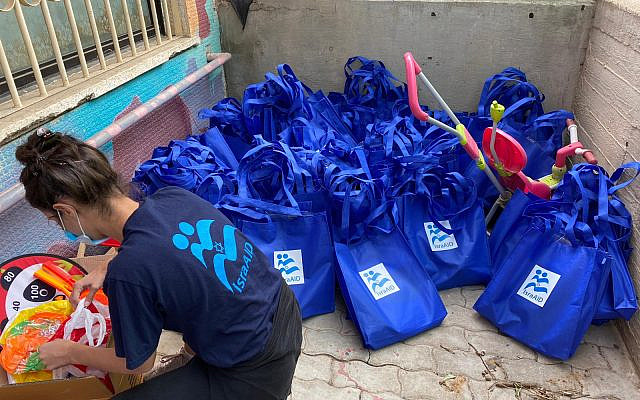
Unitaf partnered with its own community of parents to help in delivering supplies during the many lockdowns. And with the ecosystem around them, the close collaborations with both organizations and community-based efforts like Mesila, the Consortium for Israel and the Asylum Seekers, IsraAID and Mothers Making a Difference, they worked to patch things up when the world seemed like it was cracking open.
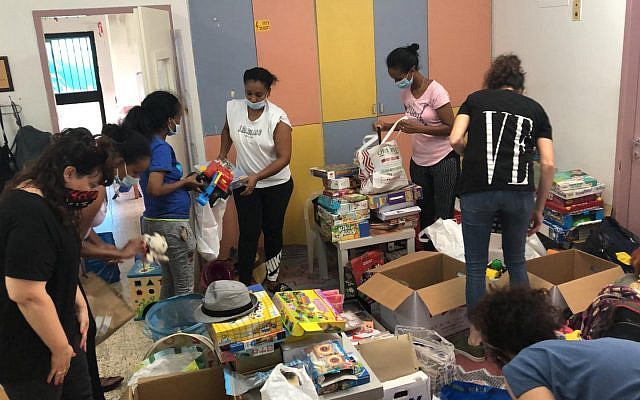
So as they build an infrastructure for early childhood education that is safe and nurturing, it is also clear that for the foreseeable future Unitaf will have to keep putting out fires. And by meeting basic necessities, the organization is also helping families reduce their crushing levels of stress. We can think of it as an emotional emergency kit delivered together with the diapers, formulas and non-perishable food.
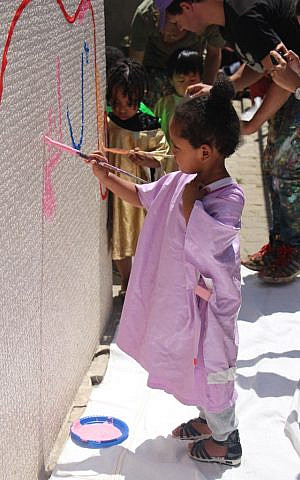
As we begin to take a collective sigh of relief, we will want to make sure to consider what we notice, what we pay attention to. After all, transitional times are always a period in which we adopt new rituals and perspectives. Some of these new possibilities can be found in community initiatives. A few may sprout up only as temporary solutions, while others may become cherished community institutions. We will wait to see.
And as we do so, we can keep learning from organizations like Unitaf and its many partners who continually balance rapid response with building longer-term solutions. Whether they are out there troubleshooting or working towards systemic change, the scale is always being tipped towards more compassion.
Related Topics
Related Posts