
Selective Outrage Epidemic
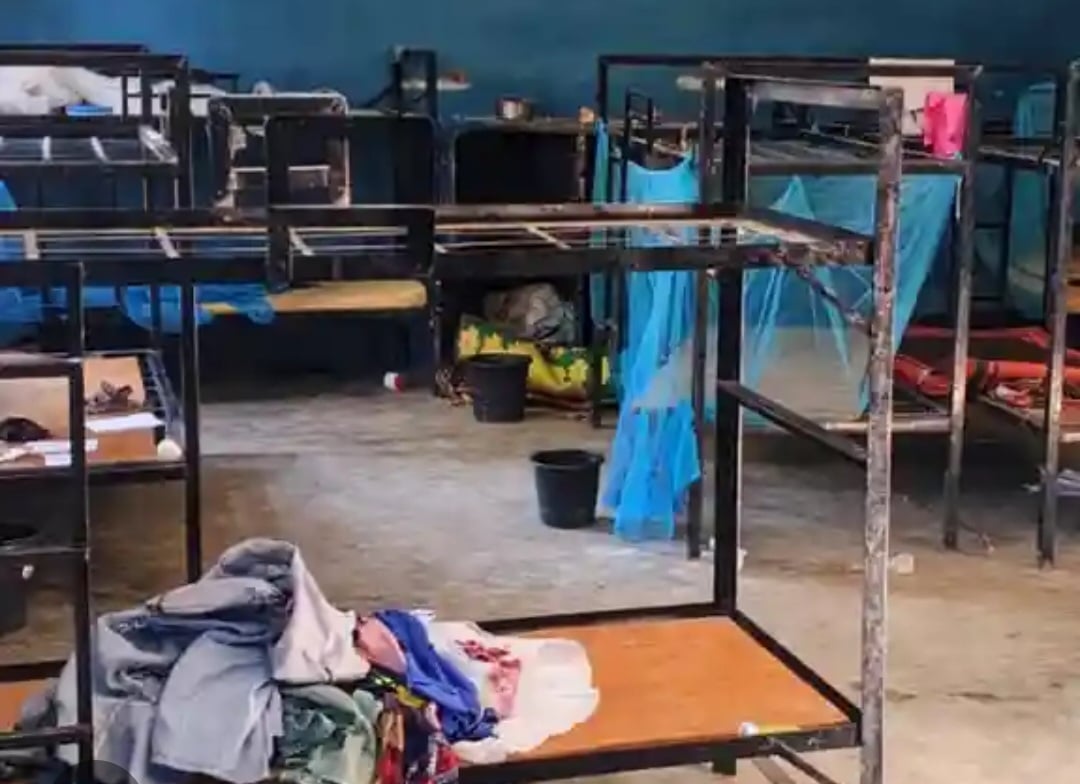
On November 21, 2025, the world witnessed an atrocity that should have shaken every conscience: more than 300 Catholic students and 12 staff members were kidnapped from St. Mary’s Catholic School in Papiri, Niger State, Nigeria. Armed men stormed classrooms, taking children as young as ten.
Fifty students managed to escape in the early aftermath, but approximately 253 children and 12 teachers remain missing, taken simply because they attended a Catholic institution. It is religious persecution in its clearest form — a direct attack on innocence and on the basic right to an education. And yet, the global reaction has been nearly silent. No marches. No trending hashtags. No mass outcry demanding the safe return of these children.
In a world where outrage erupts instantly over far smaller incidents, the quiet surrounding hundreds of abducted children is impossible to ignore. This silence reflects something deeply troubling: the spread of a selective outrage epidemic. And this week offers a stark example — a symptom fully visible right in front of our eyes.
Just days before the kidnapping even made the news, people in New York City gathered to protest an event taking place at a synagogue. A peaceful, lawful gathering — nothing more — somehow triggered loud indignation and public demonstrations. Strangers mobilized with urgency, reacting forcefully and passionately.
And yet, when the news broke that hundreds of Catholic schoolchildren had been kidnapped, those very same voices fell silent. No protests. No rallies. No calls for justice. A synagogue event generated uproar; a mass abduction of children generated almost nothing.
This contrast is not just ironic — it is a moral indictment. It reveals that outrage today is not rooted in principle or empathy but in political convenience. Suffering seems to matter only when it aligns with a preferred narrative. Victims become important only when their stories serve a cause. This is not compassion. This is selectively applied outrage dressed up as morality.
The kidnapping at St. Mary’s Catholic School is one of the largest school abductions in recent years. Children were taken from their desks. Teachers were abducted in the course of their work. Families were thrown into terror and uncertainty.
Yet globally, there has been no unified outcry, no sustained pressure on the Nigerian government, and no public movement demanding decisive action.
We must confront the uncomfortable truth that tragedies in Africa are often met with indifference. Whether because of distance, geopolitical disinterest, or simply because these stories don’t trend online, the effect is the same: silence where there should be urgency.
Human suffering should never be tiered. There should be no hierarchy dictating whose pain deserves attention. If we claim to care about human rights, then the rights of Catholic children in Nigeria must matter just as much as the rights of children anywhere else. Compassion cannot be conditional. Empathy cannot depend on politics.
The selective outrage epidemic fractures our moral compass. It reveals cracks in our global conscience, showing that many people do not respond to the severity of suffering but to the convenience of the narrative. It exposes the hollowness of a world that can mobilize against a peaceful synagogue event but remain unmoved by the kidnapping of hundreds of terrified children.
It is up to us, those of us who still can tell right from wrong, to resist the instinct to stay silent. I want to gently invite the many adults who know in their hearts that something here is deeply troubling to consider raising their voices — even in small ways. We may think that our individual words won’t shift the world, but silence certainly will not. Silence only reinforces a reality that should never be acceptable.
Even if we doubt that we can make a significant change, we should still try. Speaking up, even quietly, signals that we refuse to normalize a moral imbalance that leaves innocent children forgotten. Our voices, however modest, have the power to push the world toward greater compassion. And it is worth trying — because not trying at all would be a far greater failure.