‘Shabbat 250’: If All of Us Would Keep Even One Shabbos…
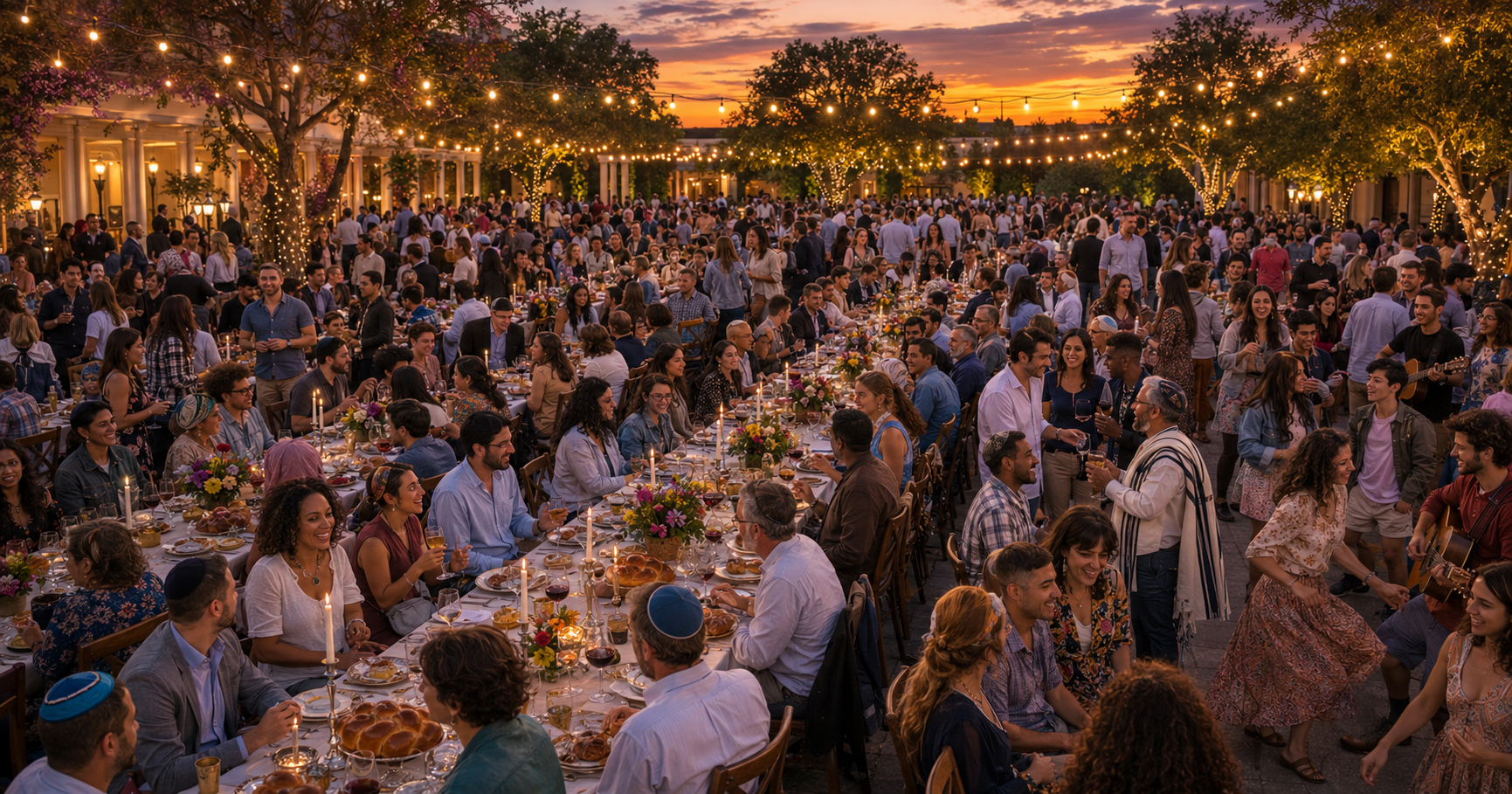
This month has been identified as Jewish Heritage Month in America. And as this year is the 250th anniversary of the Declaration of Independence, this shabbos has been designated as “Shabbat 250” on which all “Jewish Americans are encouraged to observe a national Sabbath” from sundown on May 15th to nightfall on May 16th.
We are living in remarkable times. The fact that Jews are being urged to observe shabbos by a non-Jewish government is extraordinary and perhaps unprecedented. Historically, the rulers of the countries in which Jews have lived in the diaspora have not been quite as favorably disposed to Jewish observance, to say the least. That shabbos adherence is not only tolerated by the gentile seat of authority today, but even endorsed and advised, is certainly noteworthy. Some may even suggest it is a sign.
There are multiple discussions in the Talmud about the correlation between the observance of shabbos and the ultimate redemption. Rebbe Yochanan said in the name of Rebbe Shimon Bar Yochai, “If only the Jewish people would keep two Shabbasos properly, they would immediately be redeemed” (Shabbos, 118b). In the Jerusalem Talmud, it is proposed that “if the Jews would only have observed ONE Shabbos properly, the son of David (Moshiach) would have come immediately” (Taanis 1:1).
The debate over how many shabboses are required in order to precipitate the arrival of the Messiah is based on the verse “es shabsosai tishmiru/observe my sabbaths” (Leviticus 26:2). The fact that “shabsosai/my sabbaths” is in the plural suggests that two shabboses are necessary. But the Alter Rebbe reconciles this with the Jerusalem Talmud’s opinion that one shabbos suffices by explaining that each shabbos is actually comprised of two different shabboses, lower shabbos and higher shabbos.
The lower level of shabbos is that which we experience on Friday night. It is that degree of holiness that we can access as a result of our own efforts and our divine service throughout the previous week. As shabbos enters, we take all of our labor from the past six days and elevate it back to its source above.
Afterwards, on shabbos day, by virtue of our willingness to leave behind our worldly concerns and to nullify ourselves completely to G-d, we are able to access the higher level of shabbos, through which we draw down previously unaccessible divine energy to assist us in our work of further transforming the world in the week ahead.
If all Jews would engage in both of these spiritual processes on even one shabbos, the Alter Rebbe teaches, then Moshiach would instantly usher in the promised time of peace and G-dly revelation.
Like many disagreements in the Talmud, the question of one or two shabboses remains unresolved. We have been waiting millennia for all Jews around the world to observe shabbos and thereby determine which opinion is correct. “Shabbat 250” is an opportune moment for us to find out.
— Pnei Hashem is an introduction to the deepest depths of the human experience based on the esoteric teachings of Torah. www.pneihashem.com