Shame on the US: Abandoning Syria’s Kurds imperils the entire region
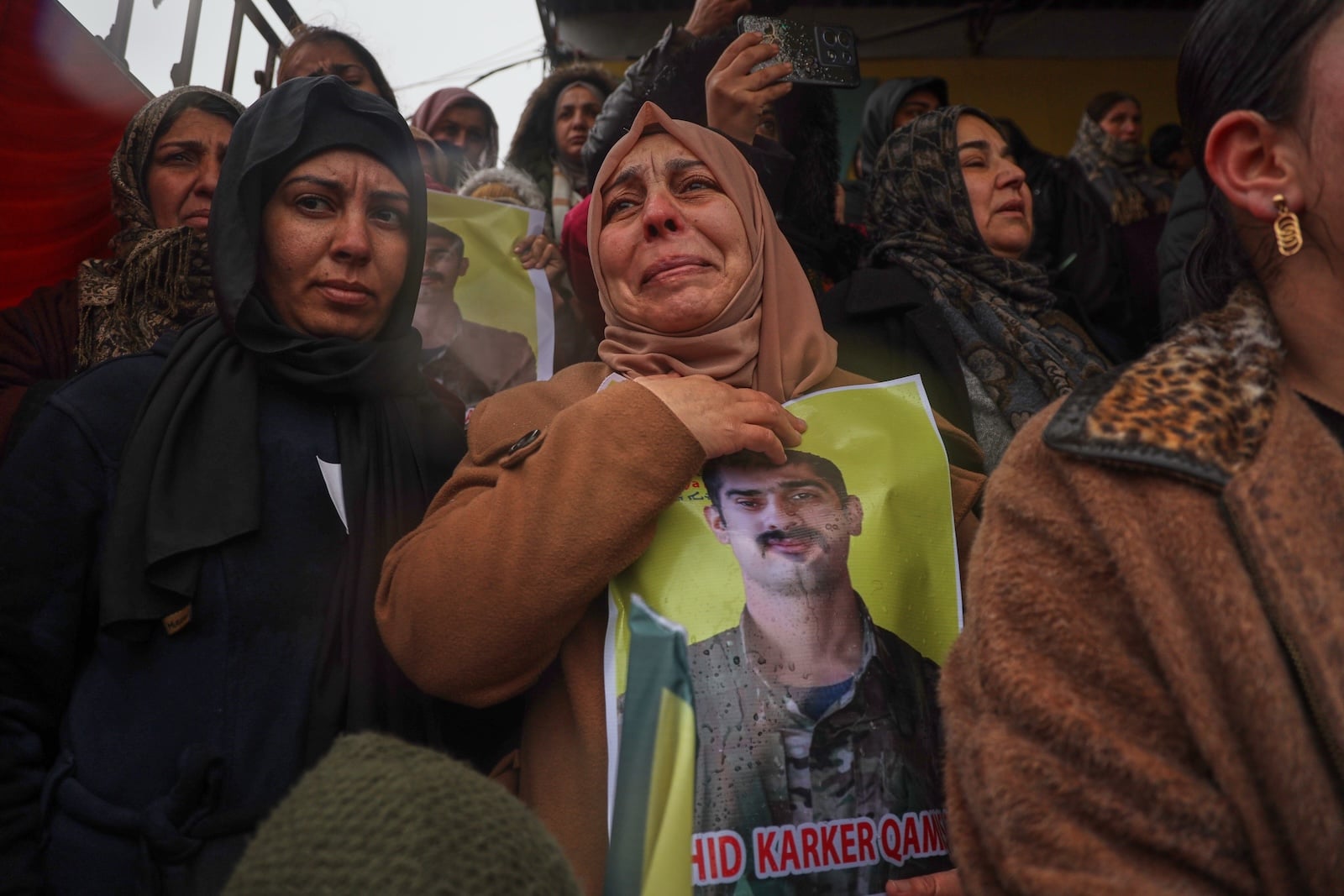
Kobani, the Syrian Kurdish city that became known worldwide as the “graveyard of ISIS”, is again under siege. Electricity, water, fuel, food and internet access have been cut. Kurdish children have died of hypothermia. The UN Refugee Agency has publicly condemned the treatment of the civilian population. Kurdish women known as the Mothers of Peace have taken to the streets in Istanbul in protest.
And yet, the world has responded with near silence.
Kobani and the wider Kurdish region of northeast Syria, known as Rojava, are now encircled by forces loyal to Syria’s new president, Ahmed al-Sharaa – a former jihadist commander whose army includes foreign Islamist fighters. Observers warn that the conditions are in place for a mass atrocity: a besieged minority population, cut off from aid and abandoned by its international protectors, facing armed extremists acting with impunity.
The fear is not abstract. On January 18, Kurdish media reported that troops loyal to Sharaa attacked a fleeing Kurdish family, killing at least six of the 12 relatives crammed into a pickup truck as they attempted to reach safety in eastern Rojava. The rest were seriously wounded. Entire families are being erased – a phenomenon now described as kinocide, a term coined after the October 7 Hamas massacre to describe the deliberate annihilation of family lines. That crime is now unfolding against the Kurds of Syria.
The Kurdish people are not strangers to betrayal, but the speed and scale of this one are staggering.
The Syrian Democratic Forces (SDF) – a Kurdish-led coalition commanded by General Mazloum Abdi – were the United States’s most effective partner in the war against ISIS. For more than a decade, the SDF fought, bled and died to defeat the Islamic State, liberate Yazidi women, and guard tens of thousands of ISIS fighters and their families held in prisons and camps across northeast Syria.
Yet overnight, the US partnership was stripped from our valiant allies, leaving them to fend for themselves, surrounded by avenging Islamists. This appears to be the new American doctrine in Syria: accommodate Islamists, appease Ankara, and expose vulnerable minorities.
A lesson for Israel
Israel, ever pragmatic in the face of regional upheaval, has fallen in line, agreeing in Paris to a US-supervised mechanism with Syria – brokered with European and Turkish involvement – designed to share intel and explore economic stabilization. But as Israel goes along with a policy direction endorsed by US President Donald Trump, the American abandonment of the Kurds should sound an alarm.
The Kurds have been among America’s most loyal allies in the Middle East – arguably second only to Israel. Watching Washington discard them both capriciously and casually forces a sobering conclusion: alliances are conditional, transactional, and ultimately expendable. Only national interests endure. Israel, like the Kurds, must prepare for a future in which American guarantees are neither automatic nor permanent.
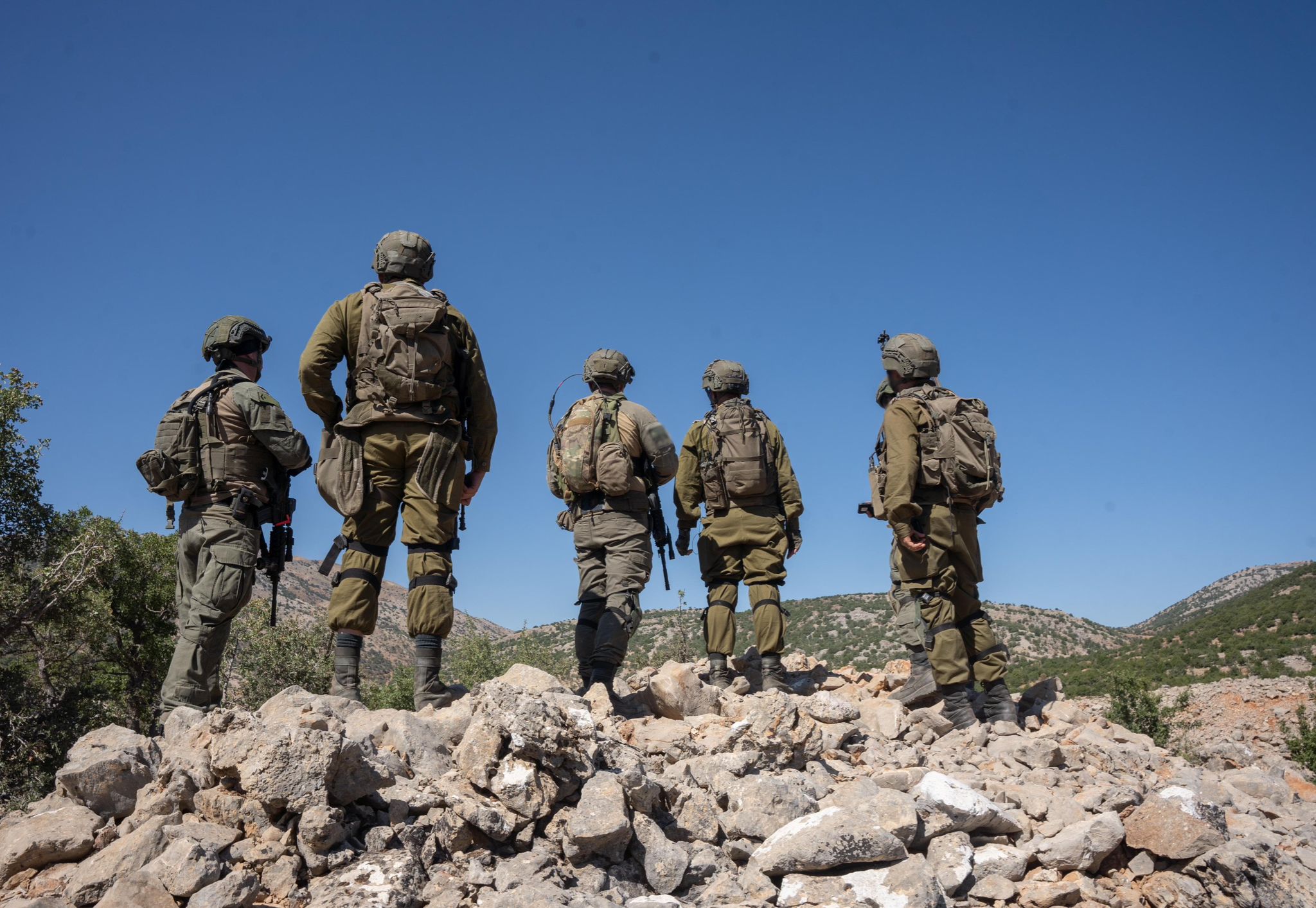
Israelis understand the fragility of minority life in Syria. During the civil war, Israel quietly provided humanitarian aid to Syrians of many communities. When Druze villages in southern Syria came under assault last year, Israel forcefully stepped in to deter further bloodshed. Today, Israel enforces a buffer beyond the Golan Heights to prevent atrocities and to block Turkey’s ambitions for strategic military dominance across Syria.
But geography is unforgiving. Israel cannot shield the minorities of northeast Syria.
The collapse of containment
What happens there matters profoundly. With the collapse of SDF control, the Syrian National Army – a Turkish-backed force with openly Islamist elements – has taken over large stretches of Syria’s northern border and assumed control of the al-Hol camp, home to some 25,000 ISIS-linked women and children. Camp officials report escapes amid chaos; the numbers are unclear, but they are not trivial. Even more alarming are reports of releases from ISIS detention facilities once guarded by the SDF.
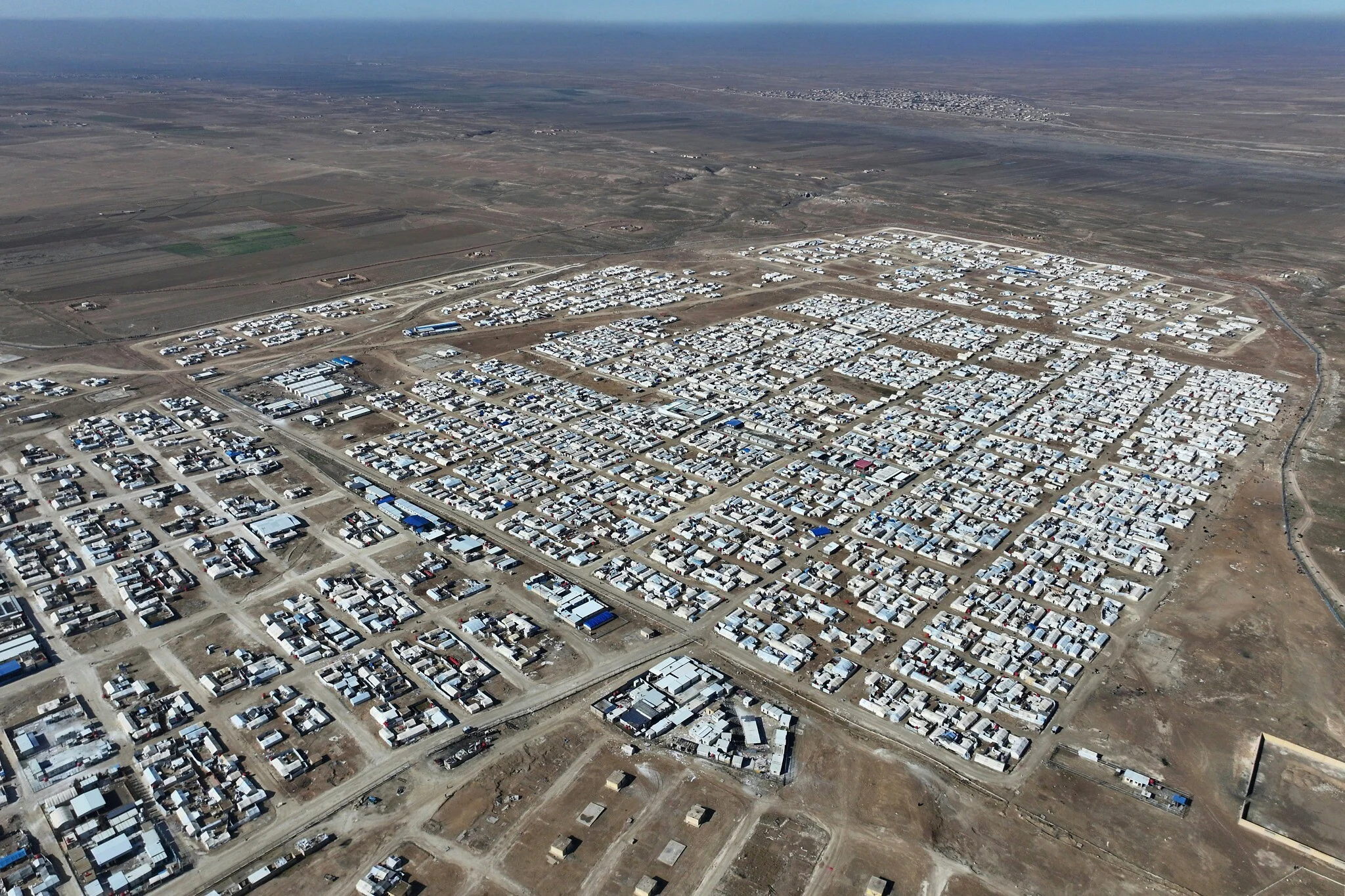
Perimeter control is now assigned to the outright Islamist sympathizing Syrian National Army, which suggests that jihadist extremists are being guarded by jihadist extremists with the blessing of the US. At the moment, they are vying to obtain absolute control of the Semalka border crossing at Faysh Khabur crossing into Iraqi Kurdistan, seeking to isolate the two Kurdish regions from one another.
US forces themselves appear deeply uneasy. CENTCOM has begun transferring ISIS detainees from Syria to Iraq, reportedly up to 7,000 in total, in batches of 150. Once these transfers are complete, a full US withdrawal from Syria is expected, leaving the Kurds, Christians, Yazidis and other minorities to the unchecked authority of Sharaa’s regime.
This chaos is not being adequately reported. Videos circulating online show the execution of captured SDF fighters, including women from the YPJ – the Women’s Protection Units, whose bravery helped defeat ISIS and free Yazidi captives. Their bodies are desecrated as their killers chant religious slogans. These women were once celebrated by the West. Now they are abandoned to execution.
Rojava previously held not only al-Hol but more than 10,000 imprisoned ISIS fighters. The SDF maintained strict security, protected aid workers, separated extremist populations from civilians, and disrupted ISIS sleeper cells. When I visited the region, officials estimated 2,500 ISIS operatives were still at large. That number has surely risen since the collapse of Kurdish control.
Sharaa’s forces – the same forces implicated in mass atrocities against Alawites, Druze, Kurds and Yazidis over the past year – now preside over these prisons and camps. Last summer, an ISIS-linked bombing of a Damascus church killed 25 Christians. The connection between extremist networks and al-Hol has long been documented. With oversight gone, the risk of renewed terror is acute.
Absent the SDF, the security architecture that contained ISIS has been dismantled. What replaces it is chaos, jihadist resurgence, and the deliberate exposure of minorities to violence.
This is not only a Syrian tragedy. It is an American failure – moral, strategic and historic.
The United States did not merely withdraw support; it knowingly dismantled the shield protecting millions of vulnerable people who had fought America’s war for it. History will not be kind to this decision. And neither should those of us who understand what betrayal looks like – and what it costs – when democracies abandon their allies and look away.