
Still wondering if the IDF has a gear shortage?
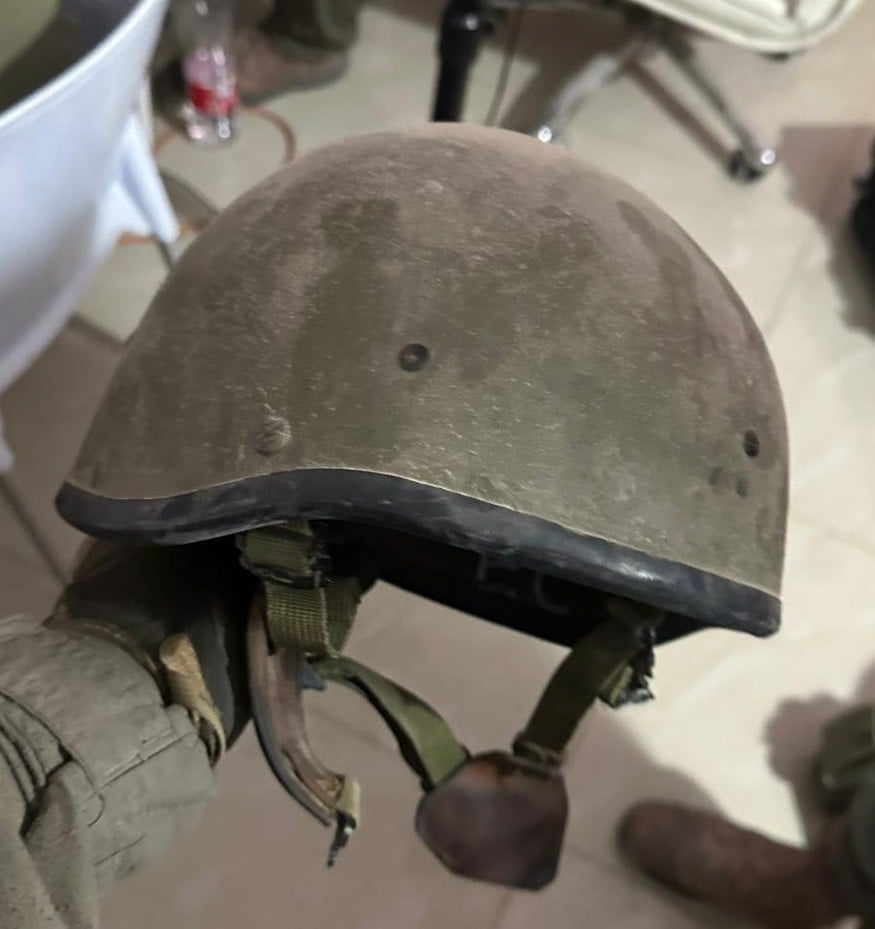
Shortly after the Hamas attacks of October 7, 2023, a debate began among Israel’s supporters whether to donate funds to buy helmets, vests, drones, and other equipment aimed at keeping IDF troops as safe as possible. After thousands of soldiers reached out for assistance, accompanying their requests with sobering details on outdated and missing equipment, communities around the world mobilized rapidly. Tens of thousands of the Jewish state’s most devoted backers, especially in America, responded with stunning generosity.
On the other side, prominent figures in many mainstream Jewish organizations accepted the assurances of the senior IDF leadership that the army was providing all the necessary gear to every soldier going into a war zone. Many of them went so far as to discourage potential donors from contributing.
During the nearly 22 months since then, overwhelming evidence has mounted that the IDF hasn’t provided sufficient gear for a large portion of the 100,000-plus soldiers it sent to the front lines. Commanders of fighting units from the smallest (platoons) through the largest (divisions) have flooded civilian groups, including the one I head, with itemized lists of what they lack, along with photographs of the sub-par equipment they have. Dozens of decades-old helmets the IDF issued to soldiers heading to Gaza and the Lebanese border have been tested by an independent ballistics lab and failed—because they were unable to block any of the bullets shot at them. Detailed spreadsheets have been compiled showing the gap between the essential needs of IDF combat units and what they actually have.
Normally, such a mass of reliable data would decide the issue, yet defenders of the claim that that there is no shortage have proven to be stubbornly fact-resistant. For their benefit and that of anyone unsure whether to believe their assertions, I am sharing an unusually clear-cut case that should help resolve any remaining doubts.
This particular case concerns helmets, a subject that has been hotly contested by the shortage deniers, who typically insist that all front-line combat troops were given proper protective headgear. When presented with instances that contradict this assertion, they fall back on the claims that these are rare exceptions involving individuals and not units, relate to soldiers not on the front lines, exist only among reservists (who traditionally have received inferior equipment), and occur only when there are last-minute call-ups that don’t leave time for the necessary preparations.
Two weeks ago I received a detailed, first-hand report from someone I trust completely, which flies in the face of all these claims. It concerns a platoon of 25 freshly minted soldiers who had completed eight months of training and had been sent to northern Gaza to join a battalion in one of the regular infantry brigades. (I cannot state in print which brigade due to considerations of security and confidentiality.) The platoon was deploying between Shuja’iyya and Jabalya, an area where Hamas terrorists had, throughout the war, inflicted a large number of casualties on IDF soldiers. The platoon members entered the war zone with the simple training helmets they received as new recruits. For the most part, the helmets are older than their 18 and 19-year-old wearers. The picture at the top of this article shows the outside of one of these helmets and the one below this paragraph displays one of the inside labels, sporting a manufacture date of 01/02, meaning January 2002.

They were made with the technology and materials of a period when helmets were not expected to block bullets or sharp, fast-moving shrapnel—and they would almost certainly fail the most elementary ballistics test. They are heavy, fit poorly, and lead to muscle fatigue, headaches, and reduced effectiveness of soldiers who must wear them 18 hours a day. The company commander in charge of this platoon asked his superiors for safe helmets before the unit entered Gaza, but was told that replacements were unavailable for the foreseeable future.
None of this could have happened if those who deny the gear shortage were right. It involves an entire unit, not just isolated individuals. They are combat soldiers deploying to one of the most dangerous parts of Gaza, not troops providing support from a distance. They are regular soldiers, not reservists. The IDF’s supply and logistics units knew eight months in advance that they would be completing their training and deploying to the front lines in July 2025.
In this case, we were able to help. Shortly after the platoon entered Gaza, my team secured 25 top-of-the-line helmets made by Team Wendy, one of four U.S. manufacturers whose headgear is approved for purchase and use by the Israeli army. We sent them to one of the battalion’s storage facilities near the Gaza border and worked with its leadership so the helmets would be registered as IDF property and distributed at the earliest opportunity. Due to logistical and security constraints, the transfer was delayed and these soldiers spent ten days in Gaza in their old helmets—during which time, fortunately, none of them were injured. Now that they are out on a brief break, they will receive the replacements before beginning their next mission.
This story, unfortunately, is just one instance of a widespread phenomenon. My team and other civilian initiatives that provide gear deal with such cases daily. At the moment, I am aware of outstanding requests for more than two thousand helmets that would replace outdated models, as well as substantial, unmet needs for vests and bullet-proof plates, reconnaissance drones, and other lifesaving equipment.
To address this broader issue, three crucial steps must be taken immediately. First, the truth must be publicly acknowledged, especially by those Jewish leaders who have previously accepted and trumpeted the position that there is no shortage. Second, for the short term, substantial funds are needed by civilian organizations that provide gear since the unmet needs of front-line troops are well in excess of $10 million. Third, for the long term, the IDF—working with the combat officers most familiar with the problems—must thoroughly investigate why it was unable to provide essential gear to troops deployed in war zones. As part of this process, it must design and carry out the reforms that will enable it to fulfill its responsibilities to the men and women it sends into harm’s way to defend their country. This will be a long and challenging process, and it must be carried out with an unwavering commitment to the truth, a relentless can-do spirit, and a sense of determination equal to the gravity and urgency of the task.