
Advancing Women's Health, One Policy at a Time
Featured Post
Stop blaming home birth. Start fixing the system.
If we truly want to make birth safer, we must first affirm that choosing where and with whom to give birth is a basic human right
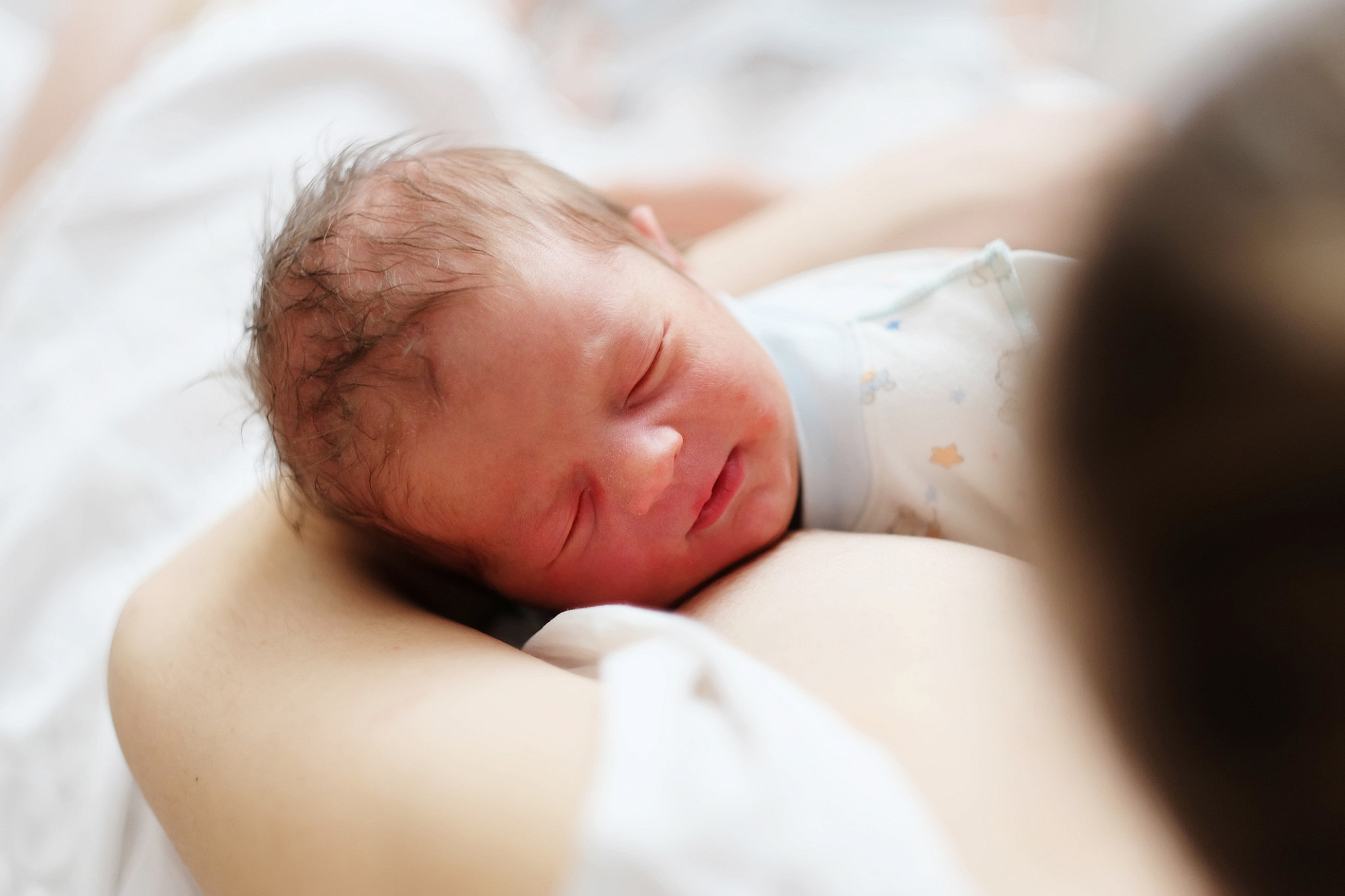
(iStock)
Recently, there has been a rise in media reports of tragic outcomes during births that took place at home. Each of these cases is heartbreaking. The loss of a newborn is an unimaginable tragedy, and my heart goes out to the families. There are no words that can match the depth of such grief.
But what happens after the tragedy, how the story is told, matters, too. And in Israel, time and time again, we see a familiar pattern: sensationalist headlines proclaiming that “another home birth ends in death.” These headlines do more than report the news. They erase context. They conflate unassisted births with planned, midwife-led home births. And while tragic outcomes can occur in any setting, those that happen at home tend to receive more public attention than those in hospitals.. This kind of coverage distorts public understanding, fuels fear, and undermines informed choice. It leads to the widespread impression that home birth is inherently more dangerous than hospital birth, an impression that is not supported by evidence.
Globally, studies from countries like the Netherlands, the United Kingdom, Canada, and New Zealand have consistently found that planned home birth, with a licensed and skilled midwife, is just as safe as hospital birth for low-risk pregnancies, with fewer unnecessary interventions and higher maternal satisfaction. The World Health Organization (WHO) endorses midwife-led continuity of care, including in the home, as a safe, cost-effective model. In this approach, a woman is supported by the same midwife, or a small team, throughout pregnancy, birth, and postpartum, with care that centers her needs and preferences every step of the way.
In Israel, however, home birth is still not treated as a legitimate, evidence-based option for most families. Although home birth is legal, and the law has recently been amended to technically allow for the establishment of birth centers, access to both remains severely limited. Current policies, insurance frameworks, and regulatory structures make it nearly impossible for families to safely and legally choose either option. Midwives who attend home births cannot obtain liability insurance, practice to their full scope, or work independently. Regulations for out-of-hospital care are overly restrictive. And systemic support, from financing to infrastructure, remains absent.
As a result, families who wish to give birth outside of a hospital setting are often left with no legal, regulated, or safe pathway to do so even when they are low-risk and seeking care that is standard and respected in many other countries.
And when these tragedies occur, the public response often follows a familiar and misguided pattern: headlines fuel fear, and that fear is followed by calls to restrict choice even further. But if we truly want to make birth safer, we must do the exact opposite.
We need to invest in strong midwifery infrastructure. Midwives are highly trained professionals who can provide up to 90% of the essential care in sexual, reproductive, maternal, newborn, and adolescent health. This includes prenatal care, birth, postpartum follow-up, family planning, and more. Countries that have embraced this model see better outcomes, lower costs, and greater equity. We must ensure that midwives can obtain insurance, are fully integrated into the healthcare system, and are empowered to exercise their full scope of practice, with complete autonomy and independence. We must provide women access to safe, regulated, midwife-led birth options across all settings, not just in hospitals. It also means removing the unnecessary barriers that prevent the development of birth centers, which exist around the world as safe, evidence-based alternatives to both hospital and home birth.
Tragedy will never be entirely preventable, not in hospitals, and not at home. But the right response to loss is not fear, it is investment, education, and integration. If we want to protect families, we must ensure that every birth, no matter the setting, is supported, informed, and safe.
Choosing where and with whom to give birth is not a luxury. It is a basic human right.
A healthcare system does not get to “allow” or “disallow” that right. To deny those options, or to restrict access through policy, insurance, or regulation, is to infringe on bodily autonomy and human dignity. The role of the system is not to control women’s choices, but to make those choices safe.
Israel has the highest fertility rate in the developed world. Birth is not a marginal issue here; it is central to who we are as a society. That gives us not just an opportunity, but a responsibility to lead. Israel should be at the forefront of evidence-based maternal care. We have the tools, the data, and the professional expertise. What’s missing is the policy. It is time, long past time, for our laws and systems to catch up with the evidence. We owe it to the families who give birth here every day, and to the midwives who are ready to support them, if only we let them.
Related Topics
Related Posts