
Stop cringing over Lebanon normalize what can be

There’s this recurring obsession among many Lebanese, especially those who grew up in exile or abroad, of romanticizing what Lebanon used to be. The old photos. The French balconies. The pre-war glamour. They share images of 60s Beirut with Edith Piaf in the background and think they’re doing something meaningful.
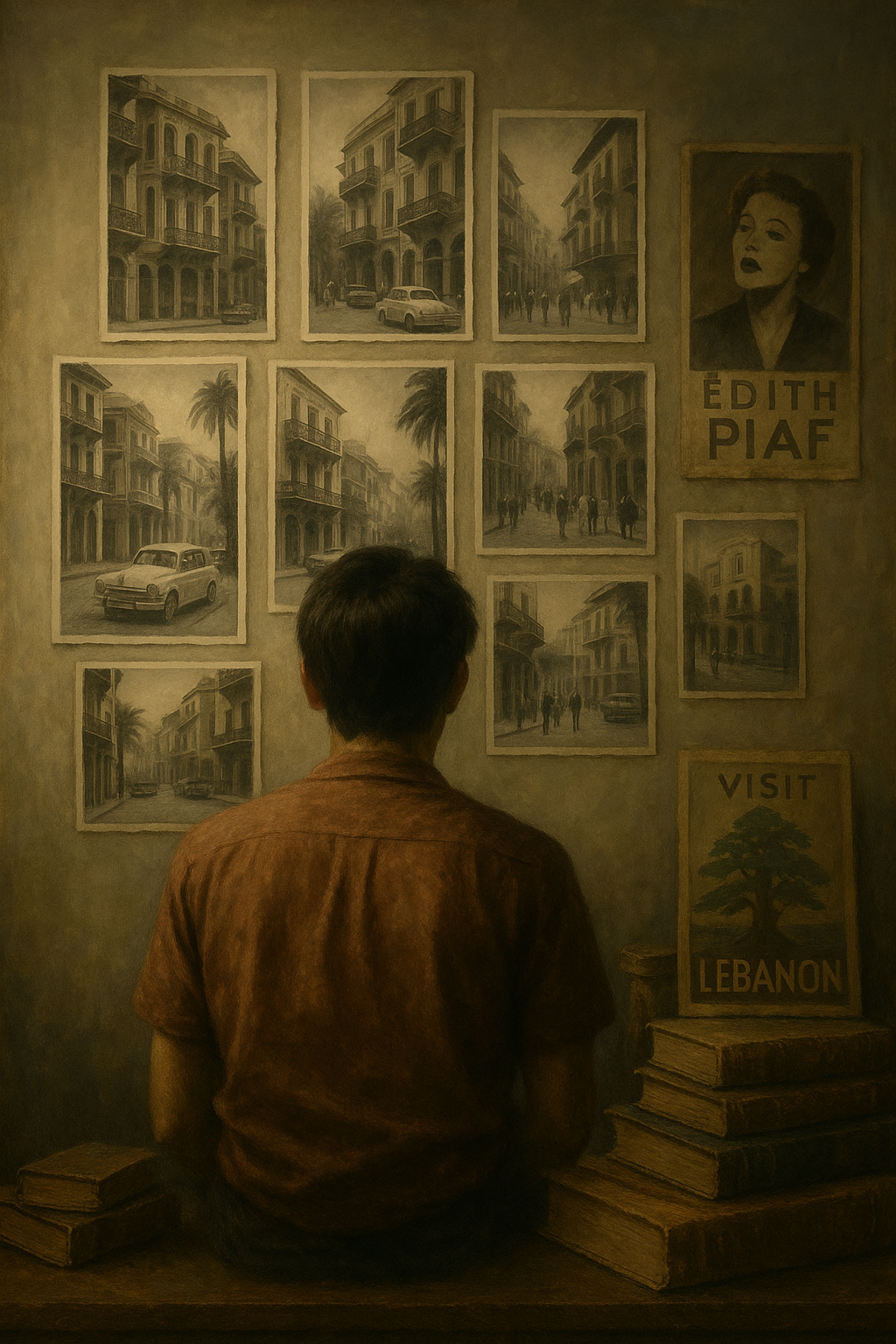
Let’s be real: it’s not. And truthfully, no one cares except the people trying to escape reality.
I grew up in the South during the post civil war 1990s. That means I grew up between bullet-pocked walls and collapsed buildings that were never rebuilt.
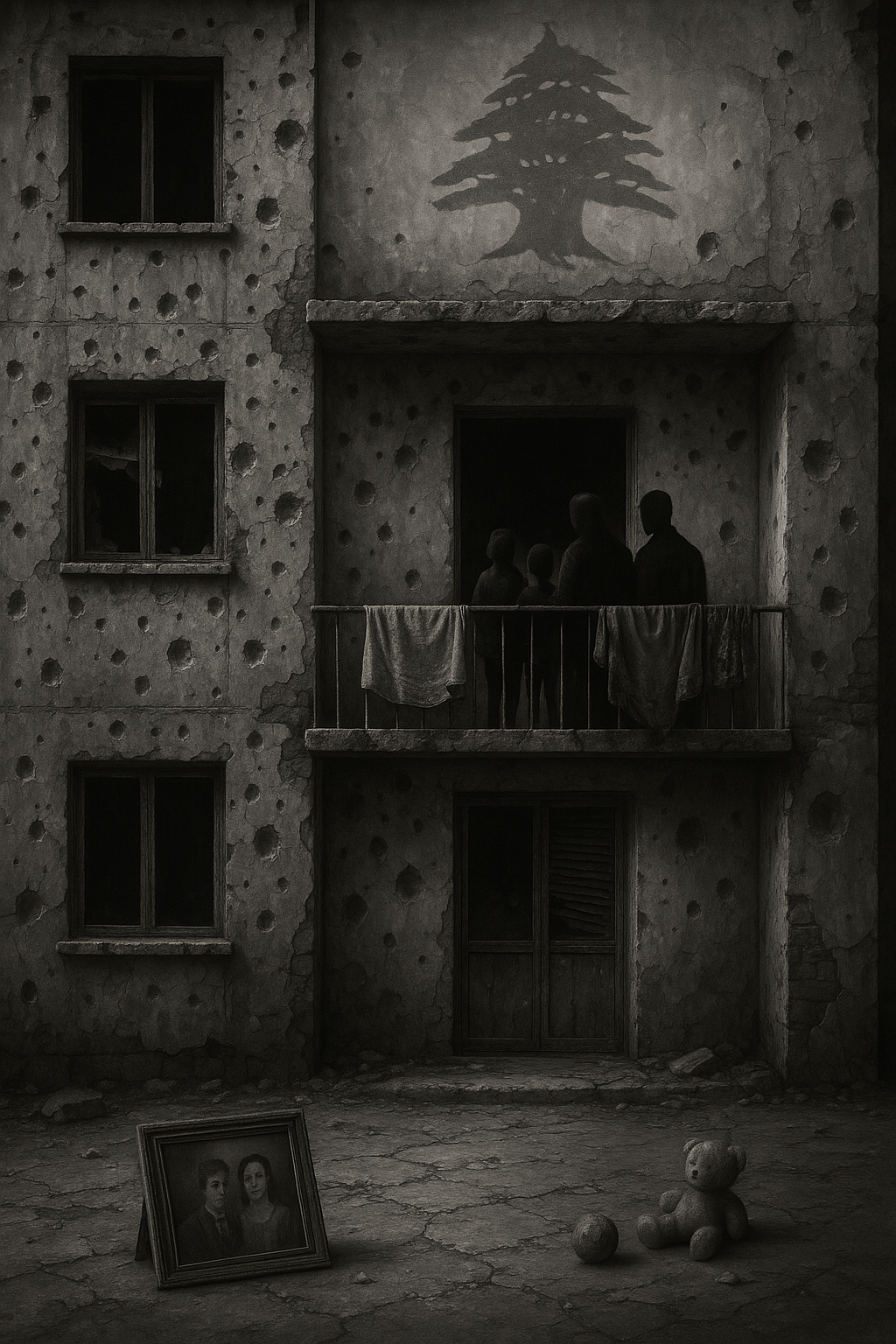
I remember playing in the ruins
I remember electricity being a privilege.
The war had ended, but nothing meaningful began.
What emerged instead were armed factions. Investment was replaced by ideology. Real education gave way to rote slogans. Martyr posters were hung on every cracked wall, masking neglect behind symbolism.
Let me be clear: this isn’t a critique. It’s the scream of someone who grew up among ruins and was told to be proud of them.
I reject the sound of war songs replacing bedtime stories.
I reject the parades of masked men who promised us dignity, then left us with sewage in our streets and graves filled too early.
I reject the lie that calls this resistance. It’s not resistance, it’s rot. It’s the slow death of a people who were never given the chance to live.
A Border Wasted
Southern Lebanon shares over 80 kilometers of land border with Israel. From Naqoura to Kfar Kila, our villages face Israeli towns like Metula, Misgav Am, and Rosh HaNikra.
On the Israeli side: functioning agriculture, stable electricity, and modern infrastructure.
On the Lebanese side: potholes, fuel shortages, and water cuts.
Solar Energy, Not Darkness
Israel is a global leader in solar energy. Companies like SolarEdge and Enlight Renewable Energy are already operating in countries like Jordan and the UAE.
Marjayoun and Hasbaya could adopt similar infrastructure with support from private partnerships or international grants. Solar grids could power schools, clinics, and homes while creating skilled jobs in the region.
Roads That Connect
Kiryat Shmona is just twenty minutes from Marjayoun by car. With a secure border crossing, similar to the one at Rosh HaNikra, agriculture and trade could move freely in both directions.
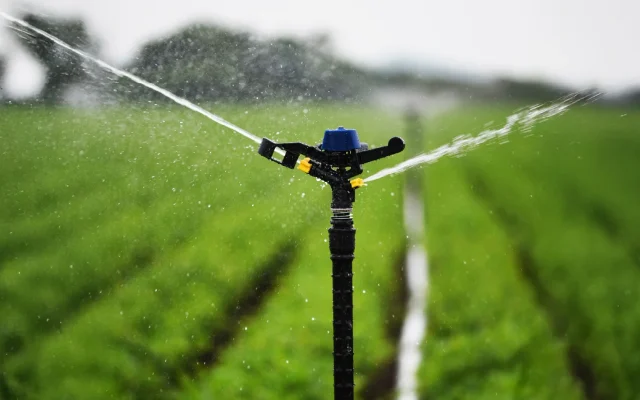
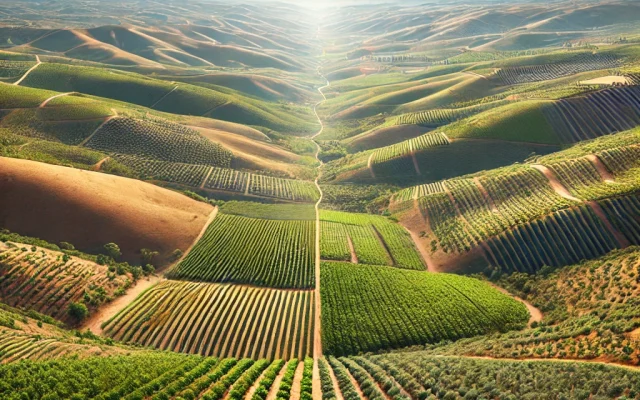
Jezzine’s olive oil, Tyre’s citrus, and Bint Jbeil’s honey could be exported directly to Tel Aviv or Haifa. At the same time, Israeli irrigation technology like Netafim could address the chronic water issues in South Lebanon.
Tech and Youth Cooperation
Lebanon’s youth are highly educated but lack access to the job market. Israeli universities like Technion, Bar-Ilan, and IDC Herzliya already collaborate with partners in the Gulf and North Africa.
Digital learning hubs in places like Bint Jbeil could connect Lebanese youth with global tech opportunities. Online bootcamps, remote internships, and innovation labs are all viable today.

Cultural and Historical Ties
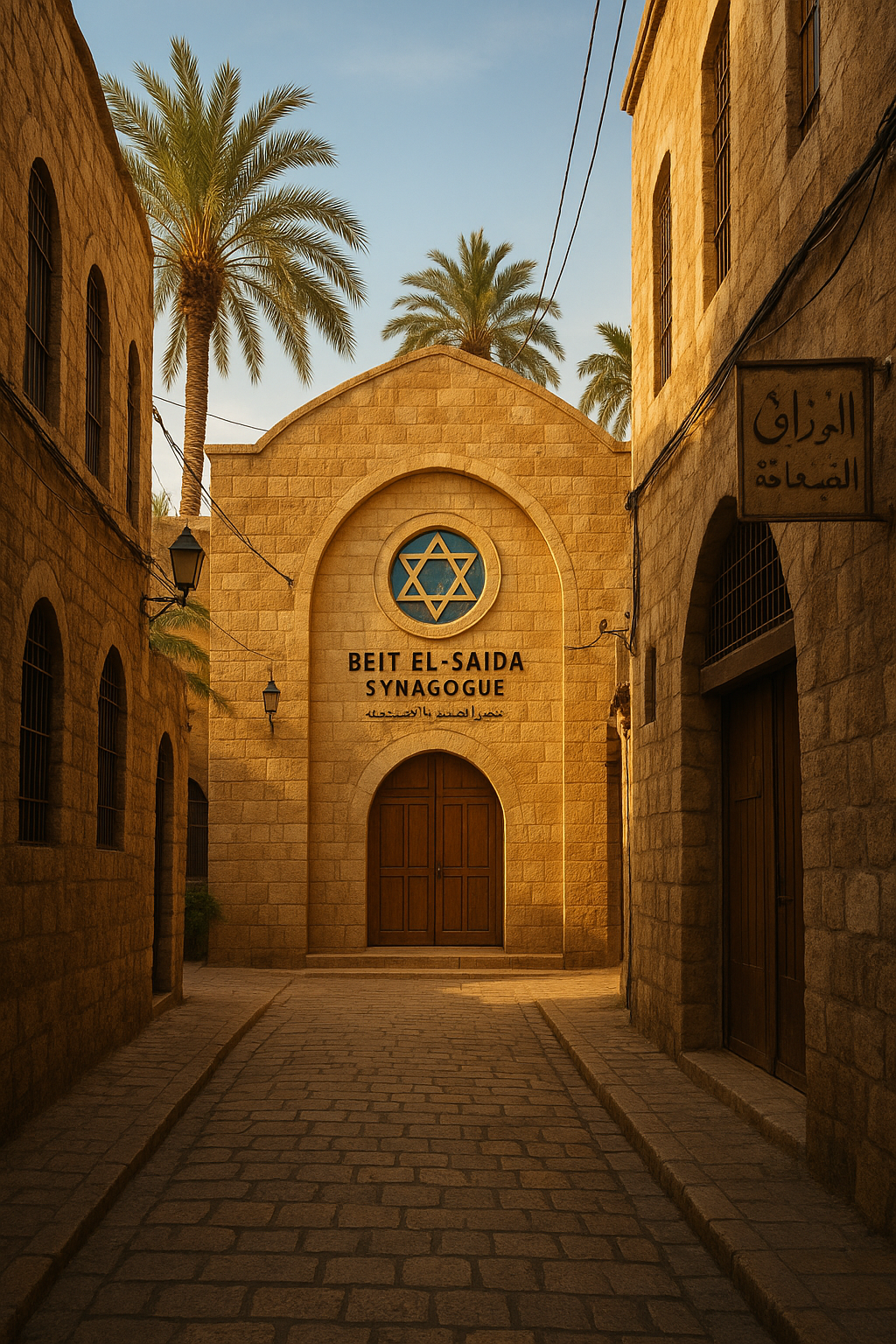
Jewish Lebanese families including the Abadi and Levy families once lived in Saida, Aley, and Tripoli. Their homes and synagogues still exist, some intact, some abandoned.
The Beit El Saida Synagogue can be restored and reopened. The Israeli Ministry of Diaspora Affairs has funded similar heritage restoration in Alexandria, Essaouira, and Manama
Regional Precedents
Israel and Jordan normalized ties in 1994. In 2023 alone, over 1 million Jordanians crossed the border for trade, tourism, and work. The UAE and Bahrain now have joint funds and direct flights to Tel Aviv.
Lebanon shares the same geography and potential. What’s missing is policy.
A Vision Within Reach
Haifa’s port, Herzliya’s business zone, and Tel Aviv’s innovation centers are all a few hours away. Meanwhile, many families in South Lebanon still rely on diesel generators and water trucks.
Cooperation with Israel is a path that other Arab countries have already chosen. The outcomes are measurable: trade, investment, employment, and growth.
It begins when Lebanon chooses connection over isolation, and opportunity over ideology.