Sukkot is the Holiday of Jewish Indigeneity
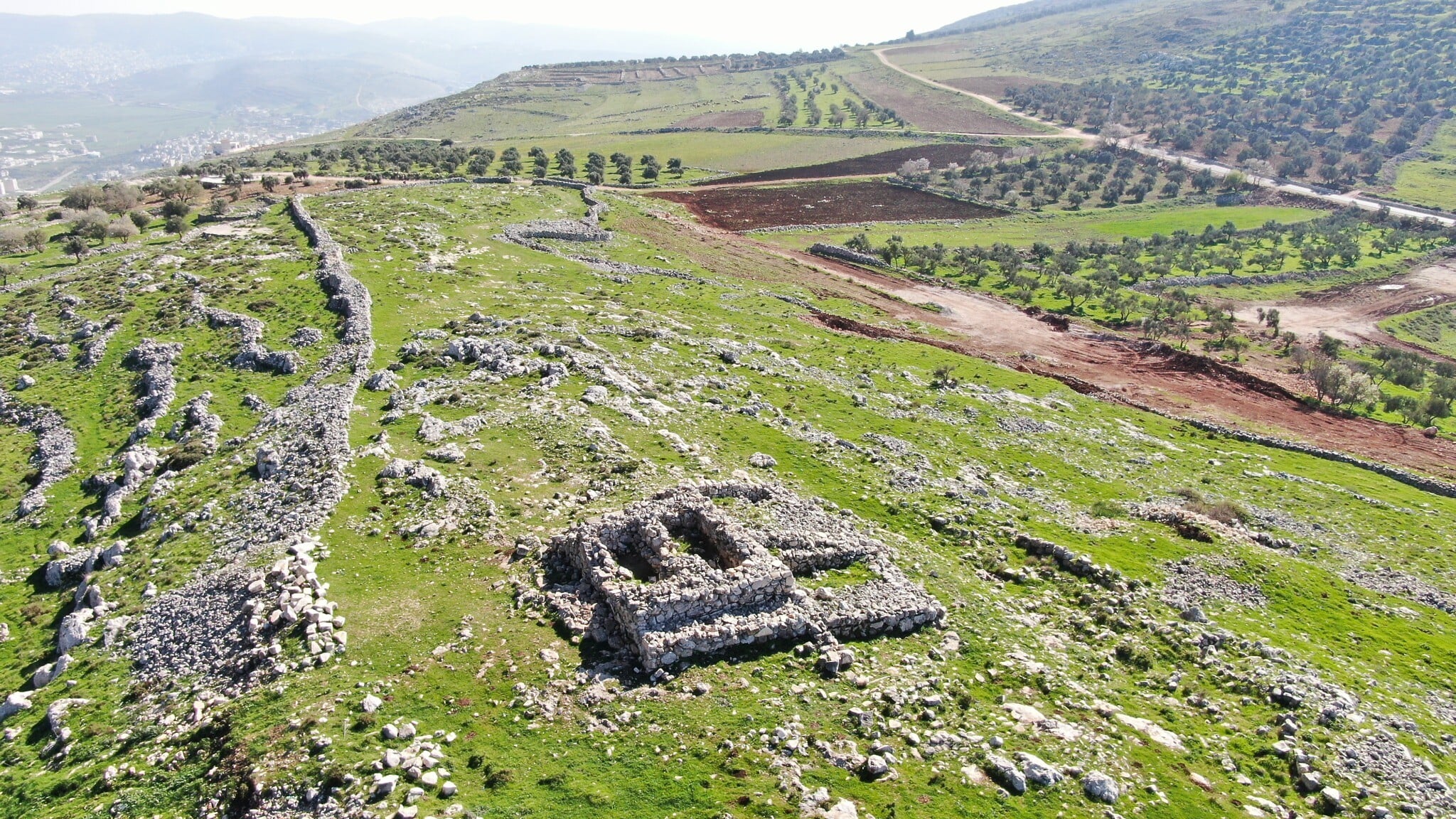
As we search for a way to commemorate October 7th, we might think of the simplest way: a celebration of indigeneity, called Sukkot.
A fundamental part of affirming Jewish indigeneity in Palestine, despite millennia of exile, is the attachment to the agricultural calendar and fauna of Palestine. The festival of Sukkot is designed around the time of gathering the grain into the house, after it’s dried in the threshing-floor, and before the rain hits it. Attaching ourselves to the agricultural calendar of a far-off land is a key element of affirming indigeneity
On each of those six days, the morning synagogue service includes processing with the lulav and etrog around the synagogue asking God “Save us!” (Hosha Na!) The expression of total dependence on God is connected to the upcoming winter, the growing season in Palestine. The success of the wheat crop (which grows in Palestine only in winter) is entirely dependent on the rain. The request of God “Save Us!” is “Send us rain!”. The theme of depending on God for rain is expanded in the prayers for the seventh day of Sukkot – “The great Hoshana,” celebrated this year on Monday Oct 13. But in Canada/Yemen/India/Poland/Lithuania, Sukkot doesn’t come before the rain or the growing season! That’s the point. The use of the growing calendar of a far-away land is an expression of indigenous attachment to that land.
The sitting in the sukka, impractical in many lands to which Jews have been exiled, is another expression of indigeneity, and attachment to the weather calendar of Palestine.
The use of the lulav and etrog, native plants of Israel, is another expression of indigeneity. For thousands of years, Jews have been shipping them over Sukkot from the Mediterranean Basin to lands far and wide. (See this article by Prof. Shimon Schwarzfox.) The ongoing and persistent attachment to the plants of a far-away homeland has few parallels in human history. It is an expression of identity as a people indigenous to that land.
To use a more humdrum example, for those living outside of Israel taking off work on Tues Oct 7th, and Wed Oct 8th to celebrate Sukot is challenging. But it too, is an expression of indigeneity.
The battle started on October 7th will not end with Trump’s 21 points. Marchers in European capitals this week did not call for peace or ceasefire. They call for Palestine to be Arab from the river to the sea, in other words, for the end of the current experiment in Jewish attachment to Palestine, an experiment called Zionism.
The way to respond on October 7th, 2025, is to affirm our indigeneity through Sukkot.