
Sukkot, The Double Holiday
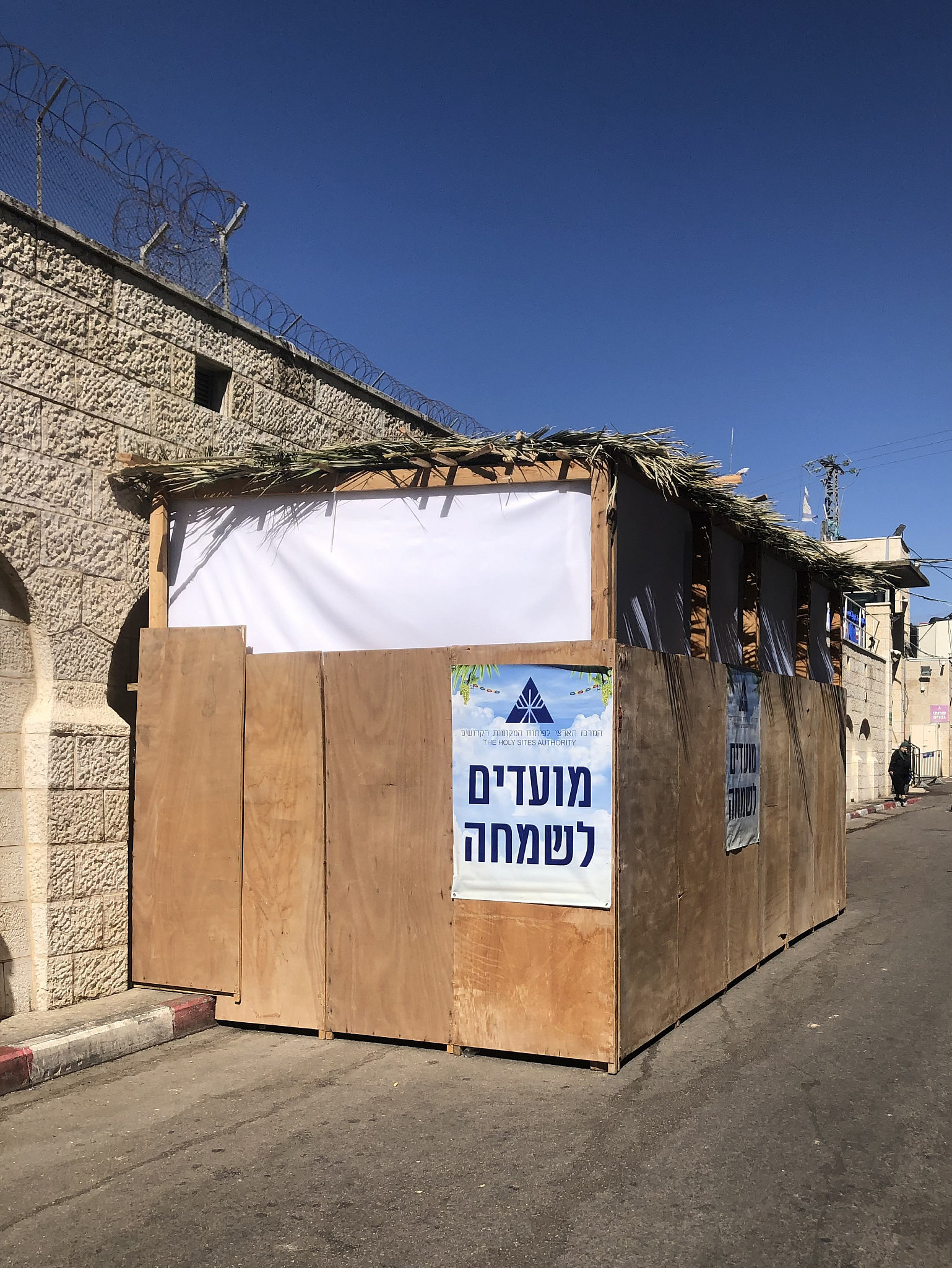
On the 15th of Tishrei, we celebrate a two-fold holiday. The holiday of Sukkot celebrates the miracle of the exodus from Egypt while Chag HaAsif celebrates the end of the harvest season.
Rav Yoel Bin Nun points out that the first stop that B’nai Yisrael made when they left Egypt was at a place called Sukkot where they baked and ate their matzot (Shmot 12:37-39):
B’nai Yisrael travelled from Ramses to Sukkot…They baked the dough that they had brought out of Egypt into cakes of unleavened bread, not risen. They had been driven from Egypt and they could not delay and had not made provisions for themselves.
Rav Bin Nun comments that if the Torah would have ended with the Book of Shmot- with the covenant at Sinai and the building of the Mishkan, we probably would have ended up eating matzot in sukkot to remember the exodus from Egypt!
Since B’nai Yisrael transgressed and had to wander in the desert for 40 years with no homes, the term sukkot referred to the temporary homes that they lived in for 40 years.
The holiday is first introduced to us as Chag HaAsif, the Festival of the Ingathering in Shmot 23:16: “…and the Festival of the Ingathering at the close of the year, when you gather in the fruit of your labor from the field.”
The commandment to observe the holiday which begins on the 15th of Tishrei is outlined in Vayikra 23:33-43.
Rabbeinu Bachya explains that the laws of Sukkot in Vayikra are divided into two passages. The first refers to the sanctity of the festivals as represented by the Korbanot (offerings) that are brought. The second brings up the mitzvot that are unique to the holiday.
In Vayikra 23:34-35, the holiday is called Sukkot:
…On the fifteenth day of the seventh month is the Festival of Sukkot (Booths), a seven day period for God. The first day is Mikra Kodesh (a sacred assembly) on it you shall perform no laborious work…
In verse 39, we read:
Also on the fifteenth day of the seventh month, when you gather in the crop of the Land, you shall celebrate God’s festival for a seven day period. The first day is a rest and the eighth day is a rest…
Then we are introduced to the mitzvah of Lulav and Etrog followed by the commandment to dwell in sukkot.
In verse 42-43 we read:
You shall dwell in sukkot for a seven day period; every native in Israel shall dwell in sukkot. So that your generations will know that I caused B’nai Yisrael to dwell in sukkot when I took them from the land of Egypt…
The Festival of Sukkot is also mentioned in Dvarim 16:13-15:
You shall make the Festival of Sukkot for a seven day period, when you gather in from your threshing floor and from your wine cellar. You shall rejoice on your festival- you, your son, your daughter, your slave, your maidservant, the Levi, the convert, the orphan and the widow who are within your cities. A seven day period shall you celebrate for HaShem, your God, in the place that HaShem, your God will choose, for HaShem will have blessed you in all your crop and in all your handiwork, and you will be completely joyous.
It makes sense to separate Sukkot from Pesach. It is important when we are gathering in all of our bounty to remember that for 40 years we wandered without homes and God took care of us. Now that we are in the Land of Israel growing amazing things, we have to remember that it all comes from God. Chag HaAsif, which seems materialistic transforms into a spiritual holiday when it becomes Chag HaSukkot.
May we merit to enjoy both the spiritual and material aspects of Sukkot in the Third Temple in Jerusalem!