
Syria needs Israel’s diplomacy, not its military intervention
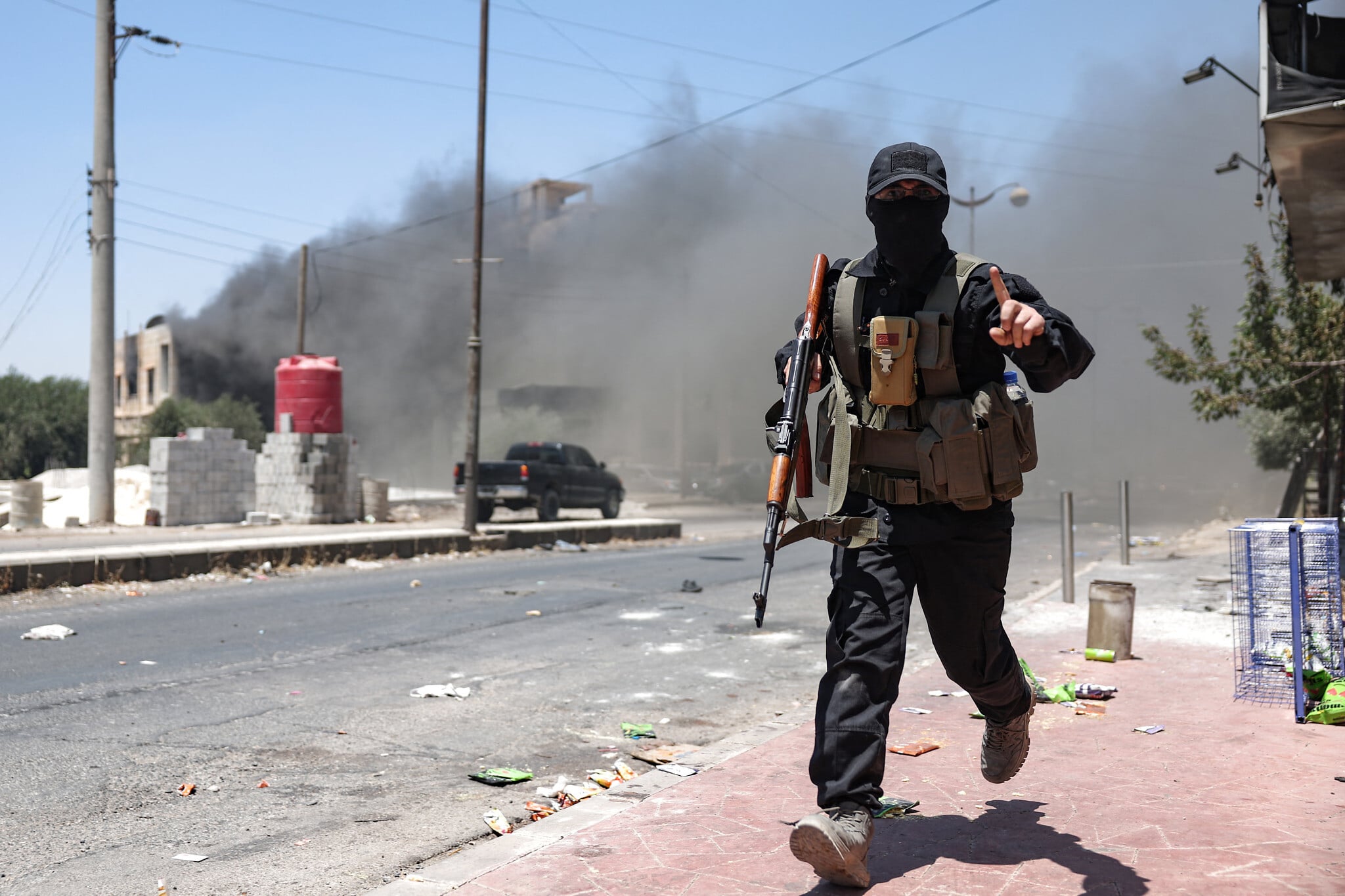
The images emerging from southern Syria tell a familiar Middle Eastern story: sectarian violence spiraling out of control, minorities under threat, and a weak central government struggling to maintain order. The very fabric of Syrian society, already torn by more than a decade of civil war, seems poised to continue to unravel.
But those who walk Jerusalem’s corridors of power may be misreading these events in dangerous ways, and that might precipitate a regional catastrophe far worse than the current instability. Israel should know better than to attempt to engineer a better outcome through military intervention and supporting particular militias.
* * *
Israel wants to keep southern Syria from turning into a place where its enemies can establish a foothold, whether they be jihadist or Iranian.
The sectarian conflict in the Sweida province between Druze and Bedouin communities, like many other Syrian sectarian conflicts, has deep roots, predating the current Syrian crisis by years. During the current wave of violence, both sides have engaged in kidnapping, killing, and ritualized humiliation — the kind of inter-communal violence that flourishes in the absence of effective state authority. There is also a division within the Druze community between those who once supported Bashar Assad and now strongly object to any dialogue with Damascus, and those who were persecuted by Assad and rebelled against him and currently believe that there is no way but dialogue and integration of the Druze in the Syrian state.
By intervening in Sweida, Israel clearly chose the side of separatists, who had been echoing Israel’s own policies: strong preference for a weak and decentralized state in Syria, as well as fully demilitarized Southern Syria. In Lebanon, Israel has demanded of the state to take full control and collect all weapons from the militias, while in Syria, it would prefer the opposite, for without a strong Syrian state, there would be no demilitarization of Hezbollah or the other Lebanese militias. But Israel’s gambit that it can somehow engineer that situation through military action and support for particular militias could wind up backfiring, creating a power vacuum and giving Iran an opportunity to re-assert itself.
Even more significantly, it is uncertain whether Israel can really protect the Druze by bombing select targets in Sweida and in Damascus. At the end of the day, the Druze in Sweida will still be Syrians when the dust settles; they will still need a deal with Damascus and a coexistence mode with their Sunni neighbors.
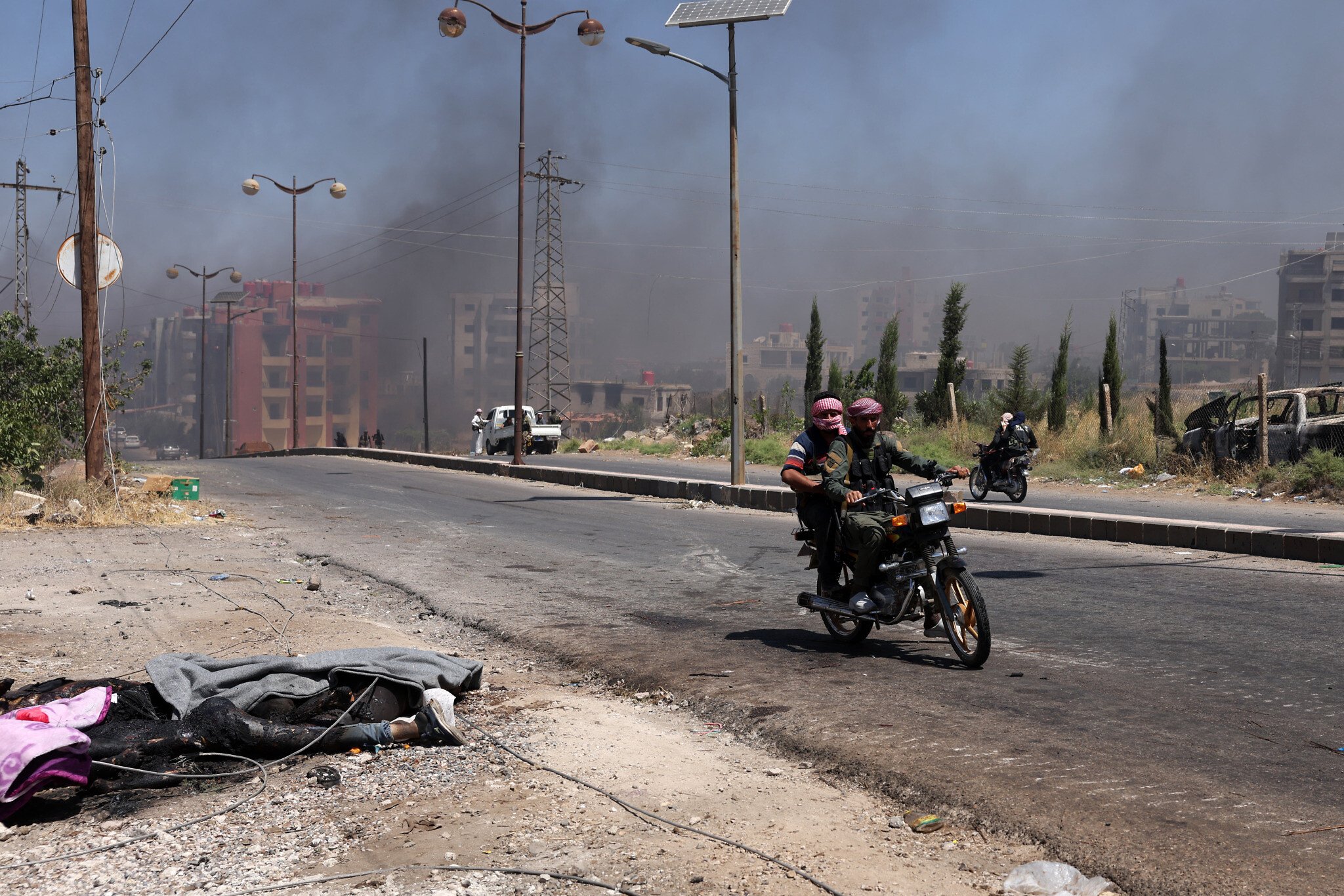
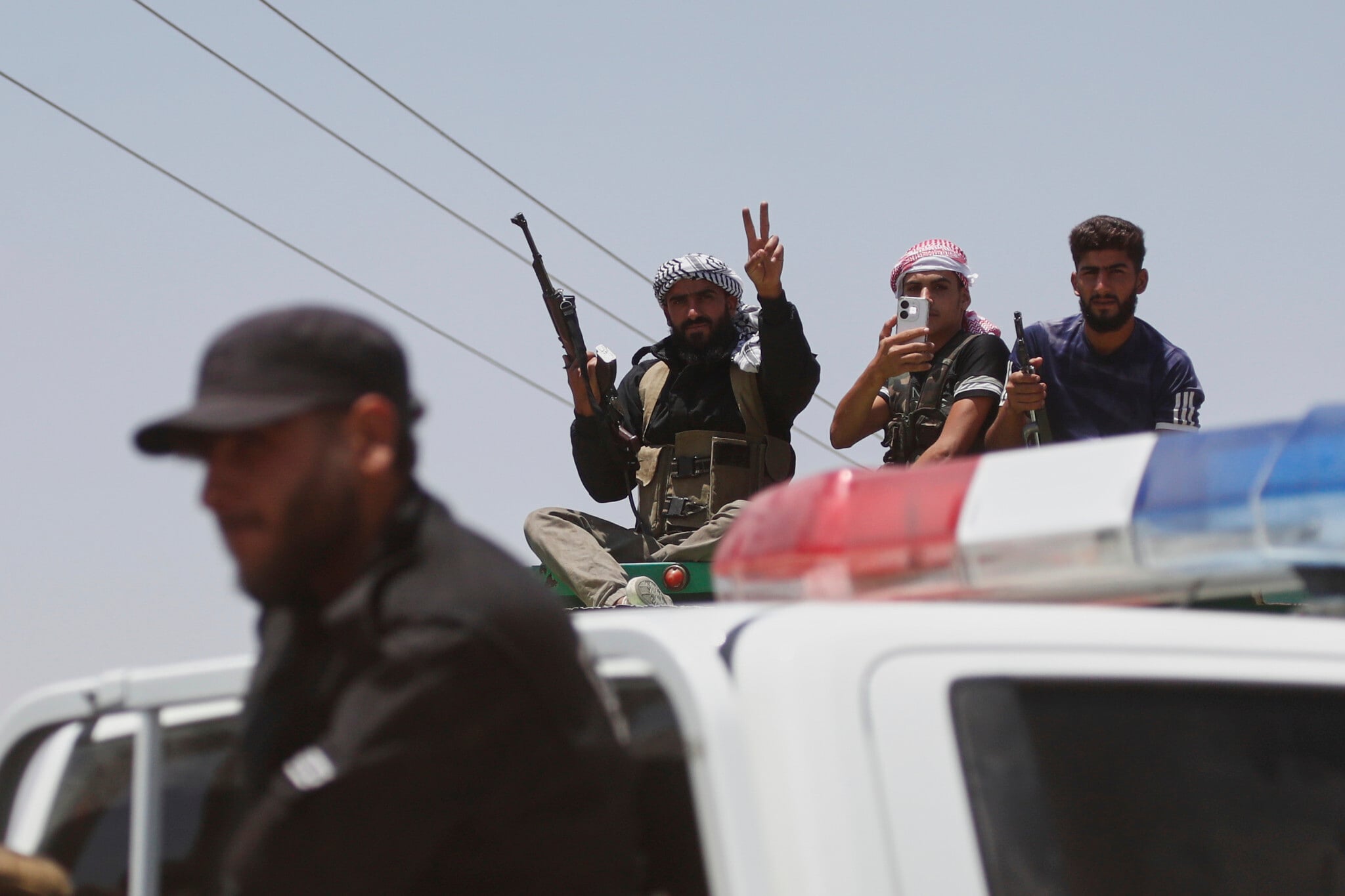
When Israel forced the governmental troops to leave Sweida, it quickly discovered that the tribal authorities from across Syria, and even Jordan, Saudi Arabia and Iraq, were quick to mobilize thousands of their supporters and march them to Southern Syria to protect their brethren. That kind of move could develop into a massacre of Druze in Sweida, and the consequences for Syria, Israel, and indeed the whole region could be unprecedented.
Bombs away
Rather than calming the situation between the Druze and Bedouin, Israel may have exacerbated it, ensuring that the violence persists by keeping the state from being able to exercise that authority.
Should the violence continue to develop, it could turn into a bloodbath for the Druze and spiral out of control.
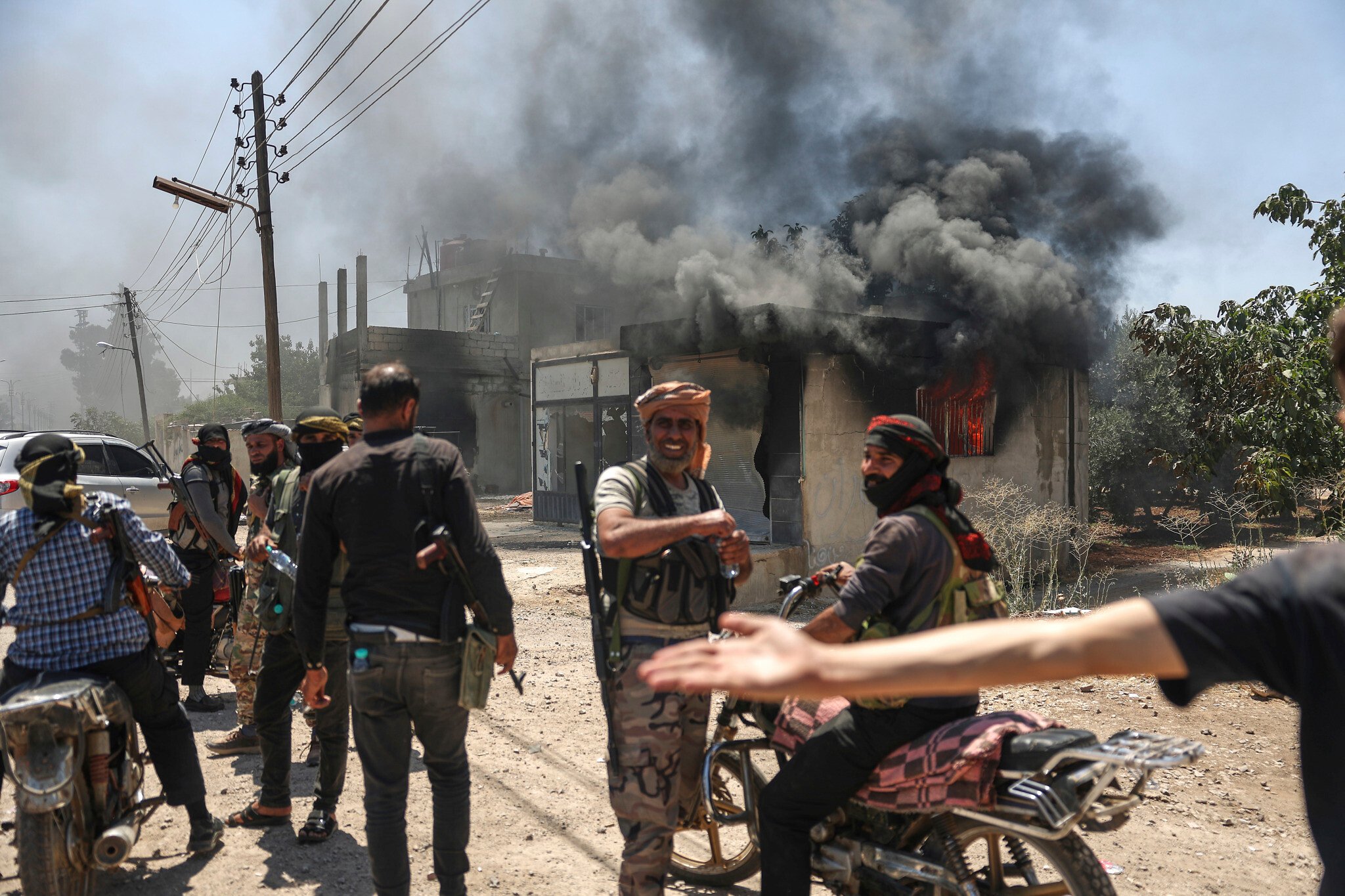
Yet it would be a mistake to assume that this Bedouin march was organized by Al-Sharaa. While he has backed the Bedouin against the Druze, interim Syrian President Ahmed al-Sharaa had no interest in thousands of them organizing to march on Sweida, with some tribal chiefs challenging his rule and opposing his calls for a ceasefire. It is more likely that he must was alarmed by that as well.
Sharaa, Syria’s unlikely leader, is attempting what Lebanon tried and failed to achieve for decades: the systematic disarmament of competing militias and their integration into state structures.
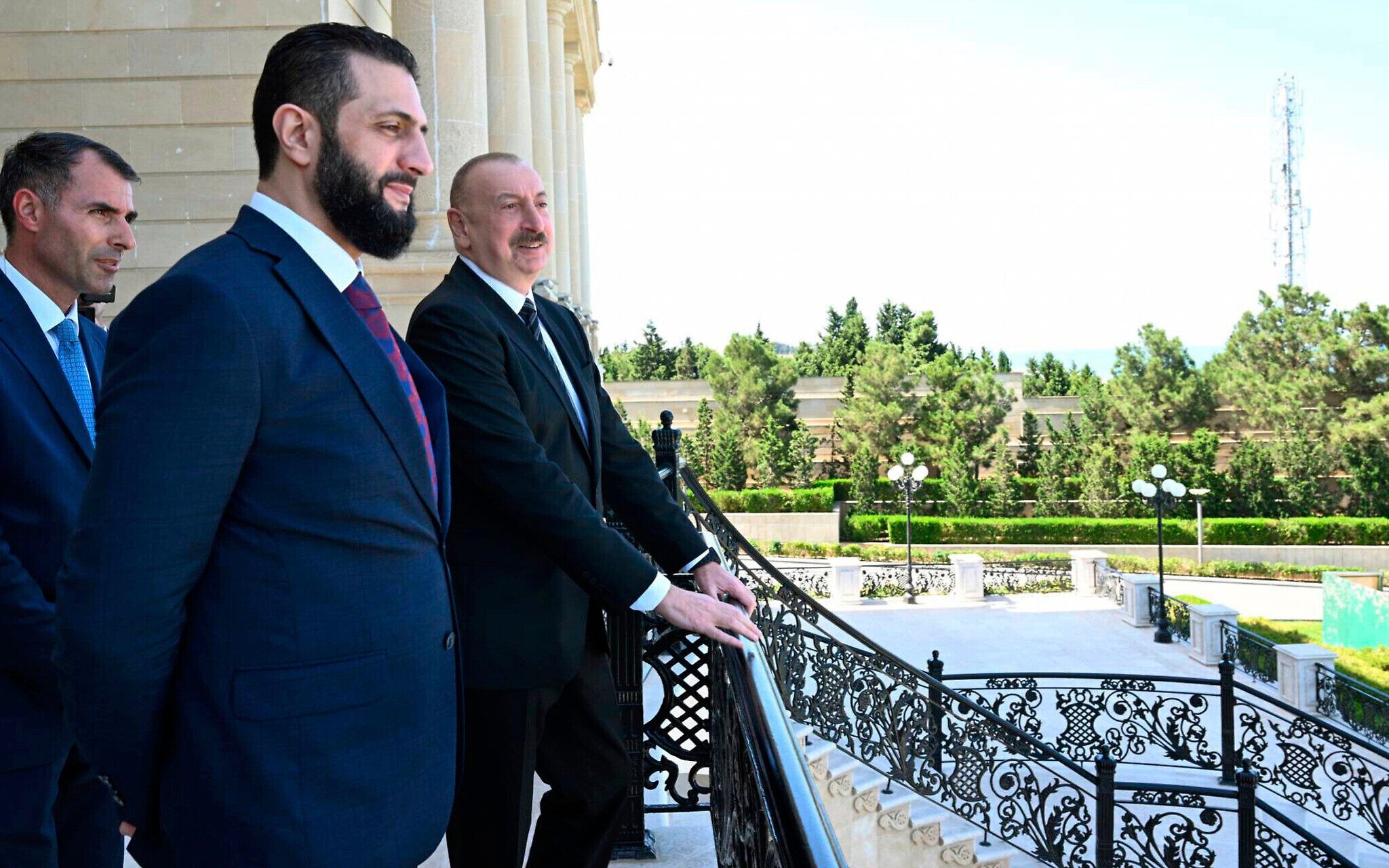
That his own forces remain a patchwork of former militias only underscores the magnitude of the challenge.
The current government of Ahmad al-Sharaa may be imperfect, indeed, deeply flawed, but currently, after decades of brutal Assadist repression and many years of a bloody civil war, it represents the only viable path toward the kind of stability that serves regional, as well as Israeli interests. That is, Syria remains weak and fragile, and is in dire need of stabilization. Syrian minorities may cast a jaundiced eye at the former jihadist’s promises of religious and ethnic tolerance, but the collapse of his regime could be even worse, with the country descending into a series of endless massacres and military campaigns, with the violence unlikely to be contained to Syria.
The regional powers seem to understand this dynamic far better than Jerusalem. Saudi Arabia, the UAE, and other Arab states are investing significant political and economic capital in al-Sharaa’s government precisely because they recognize that stability under an imperfect leader is preferable to chaos under no one. They have learned the lessons of Iraq and Libya: that the destruction of authoritarian systems, however odious, can unleash forces far more dangerous than the original regime.
The alternative to al-Sharaa’s rule is not a democratic, pro-Western Syria, but something far more dangerous: complete state collapse and the return of Iran as a dominant regional player. Certainly, nothing would serve Iranian interests more than the collapse of al-Sharaa’s government. Tehran has spent the better part of two years watching its Syrian proxy network dismantled and its regional influence circumscribed. The current Syrian leadership, whatever its flaws, has shown no inclination to restore Iranian dominance. A return to chaos, however, would provide exactly the kind of vacuum that Iran has historically exploited to devastating effect..
The Path Forward
Israeli strategy should focus on three key objectives: preventing Iranian resurgence; protecting minority rights through diplomatic means; and supporting Syrian state-building efforts that serve regional stability. This approach requires abandoning the illusion that military intervention can produce better outcomes than patient diplomacy.
It also means engaging with al-Sharaa’s government, as well as with Arab countries, the US, and the EU to establish clear red lines and accountability mechanisms, while providing incentives for inclusive governance. Diplomatic pressure, economic leverage, and the threat of intervention represent far more sustainable tools than military action.
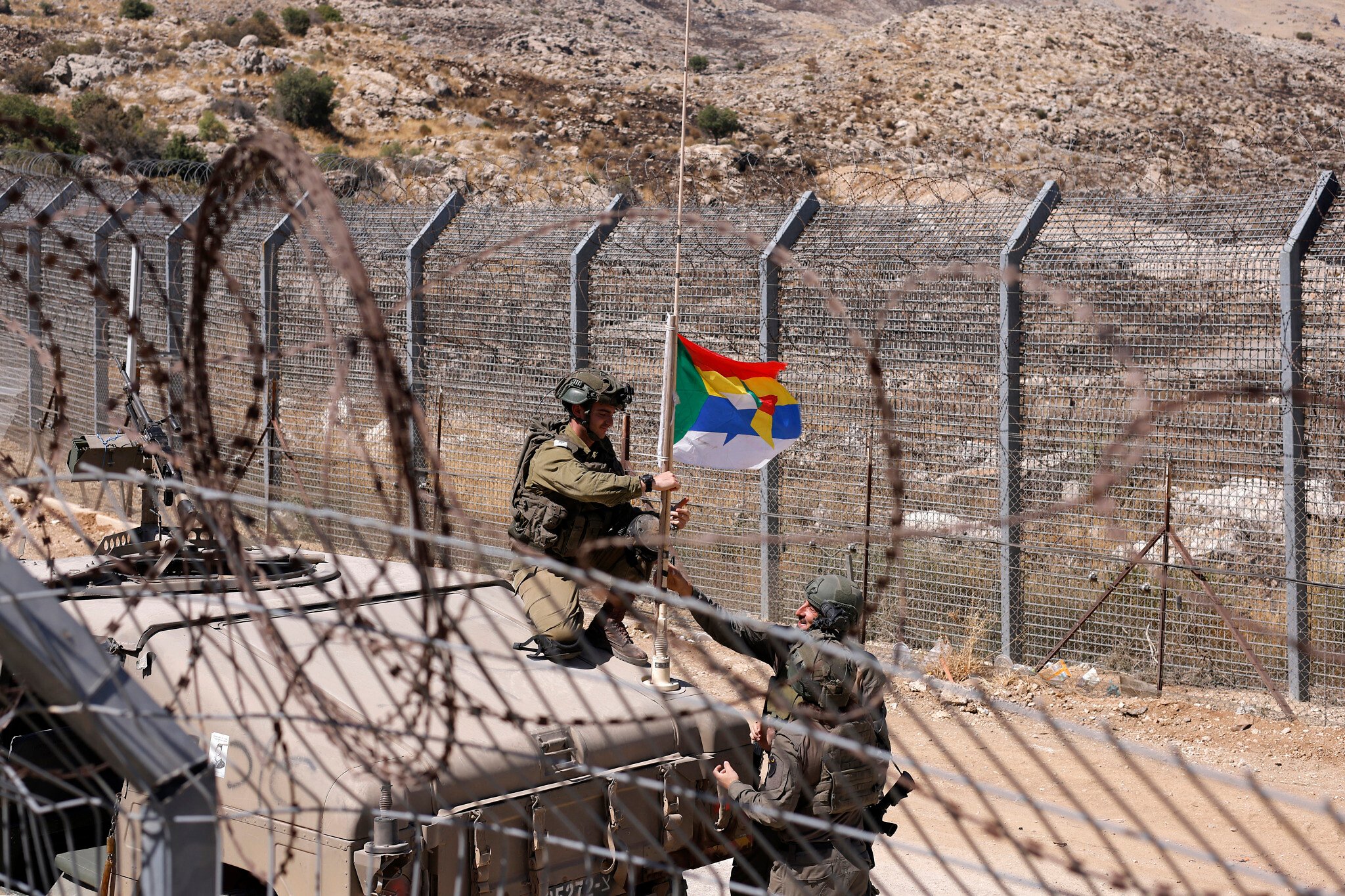
The current moment represents a critical inflection point. Syria can either continue its slow, painful evolution toward stability, or collapse back into the kind of chaos that produces regional catastrophes. Israel’s choice will help determine which path prevails.