
The Ally That Became Pakistan’s Nightmare
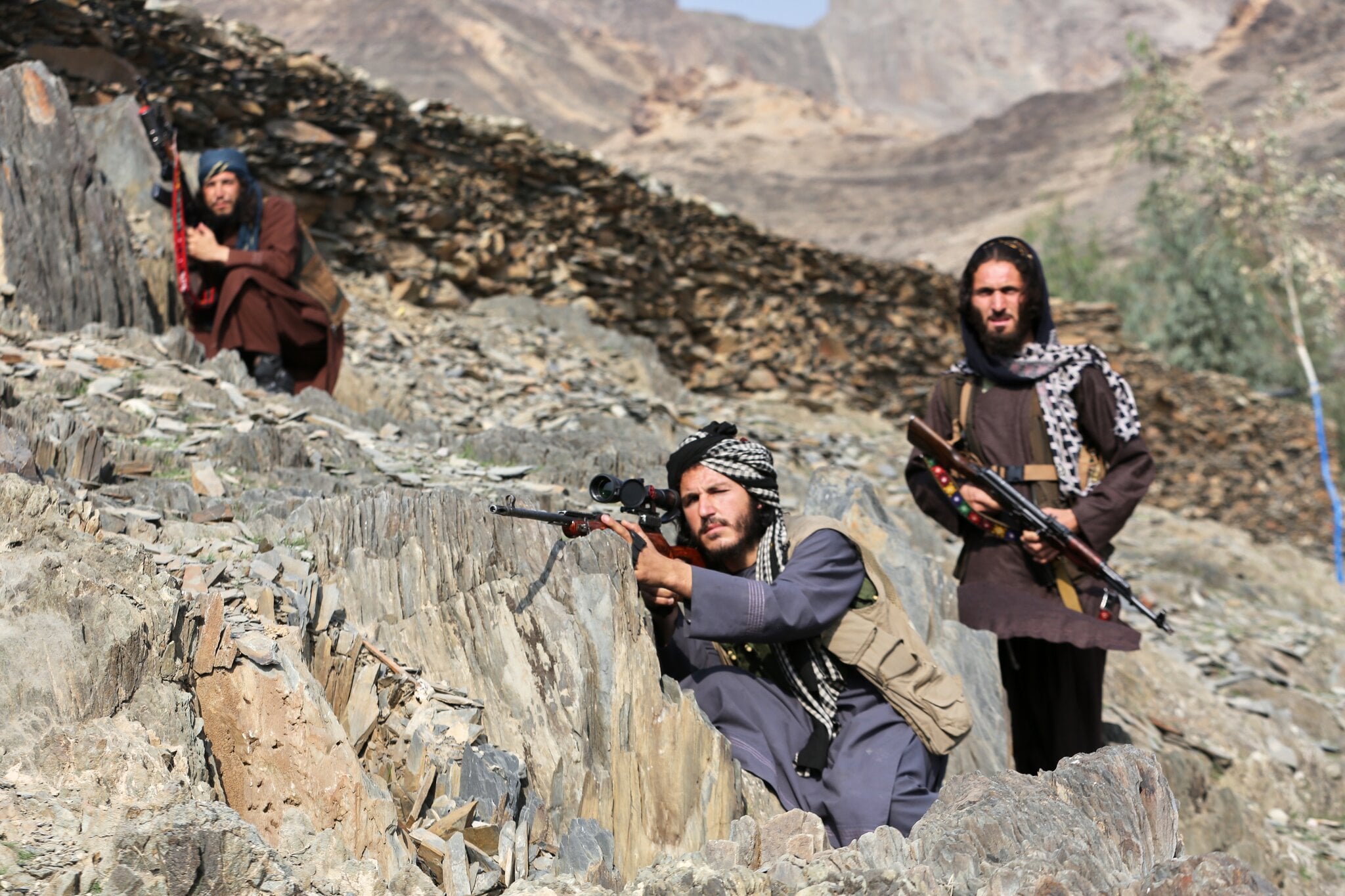
Volcanoes. You can mistake them for sleeping mountains until the ground begins to tremble. The Taliban-Pakistan frontier today resembles one of those rumbling volcanoes. Since the Afghan Taliban returned to power in August 2021, the border has never truly gone quiet. It has erupted repeatedly through clashes at Spin Boldak, Chaman, Torkham, Kurram, Khost, Paktika, and other flashpoints along the Durand Line.
Pakistani fencing projects have been resisted by the Taliban in Afghanistan, border posts have triggered firefights, crossings have been closed, and civilians living near the frontier have repeatedly watched old political disputes turn into live ammunition. In October 2025, the Afghan Taliban claimed it had killed 58 Pakistani soldiers in “retaliatory” overnight border operations after accusing Pakistan of violating Afghan territory and airspace, while Islamabad disputed the figure and said 23 of its troops were killed.
The 2026 round of skirmishes marked an even sharper phase. Pakistan launched strikes inside Afghanistan, and a week later the Afghan Taliban said it had carried out overnight strikes in Pakistan’s Khyber Pakhtunkhwa and Balochistan provinces, claiming to hit two Islamic State Khorasan Province bases, a claim Pakistan rejected.
The irony is striking. Pakistan, which once viewed the Taliban as a tool of “strategic depth” and helped sustain the movement during its insurgency, now finds itself facing the very regime it expected to influence. Islamabad may blame India and point to New Delhi’s growing engagement with the Taliban government in Afghanistan, but that explanation is too convenient. The real pressure beneath the surface comes from the TTP insurgency, Taliban nationalism, the unresolved Durand Line dispute, and Kabul’s refusal to behave like Pakistan’s subordinate client.
Inside Pakistan’s current security crisis are the Tehreek-e-Taliban Pakistan (TTP), and the insurgency it has revived. Formed in 2007 as an umbrella organization of Pakistani Taliban factions, the TTP seeks to overthrow the Pakistani state’s authority in the Pashtun belt and impose its own interpretation of Islamic rule. It is separate from the Afghan Taliban, but the two are connected by ideology, tribal networks, battlefield history, and years of shared sanctuary. Since the Afghan Taliban’s return to Kabul, Pakistan has witnessed a sharp resurgence in TTP attacks, especially in Khyber Pakhtunkhwa and Balochistan. Pakistani police stations, army posts, convoys, intelligence facilities, and civilians have all come under repeated attack.
The problem is not simply that militants cross a porous border. It is that the Taliban victory in Afghanistan gave the TTP new morale, operational space, and ideological legitimacy. Islamabad expected the Taliban to restrain anti-Pakistan militants once in power. Instead, Kabul has shown little willingness to decisively break with a movement it sees as ideologically close and politically useful. Pakistan’s counterterrorism operations have killed many militants, but they have not solved the structural problem. A hostile insurgency with rear-area depth, local grievances to exploit, and a sympathetic environment across the border.
Pakistan’s officials now also openly blame the Afghan Taliban for enabling this crisis. Islamabad argues that TTP commanders and fighters operate from Afghan soil, receive protection or tolerance from Taliban authorities, and use Afghan territory to plan attacks inside Pakistan. Pakistani officials have repeatedly demanded verifiable action from Kabul, insisting that Afghanistan must not become a sanctuary for anti-Pakistan militancy.
The Taliban reject this accusation, claiming that Pakistan’s TTP problem is domestic and rooted in Islamabad’s own failures of governance, tribal policy, and military overreach. This dispute has produced a dangerous cycle. Pakistan launches airstrikes or threatens military action inside Afghanistan. The Taliban denounce violations of sovereignty and retaliate along the border. Both sides then accuse the other of escalation. Beneath the rhetoric lies a deeper truth. Pakistan is confronting the blowback of a decades-long policy that normalized militant Islamist proxies as instruments of statecraft. It is now discovering that ideological forces cannot be switched off once it becomes inconvenient.
The Durand Line adds historical gunpowder to this modern security crisis. Drawn in 1893 between British India and Afghan Emir Abdur Rahman Khan, the line divided Pashtun communities and later became the frontier Pakistan inherited in 1947. Islamabad treats it as a settled international border. Kabul never has. Afghan governments, including the Taliban, have historically refused to formally recognize the Durand Line, viewing it as a colonial imposition that split ethnic and tribal communities. Since 2021, this dispute has repeatedly produced confrontation. Pakistani fencing projects, Taliban objections, border-post construction, and closures at crossings such as Torkham have repeatedly triggered armed clashes. For Pakistan, the fence is a security necessity against militant infiltration. For the Taliban, it is a symbol of imposed division.
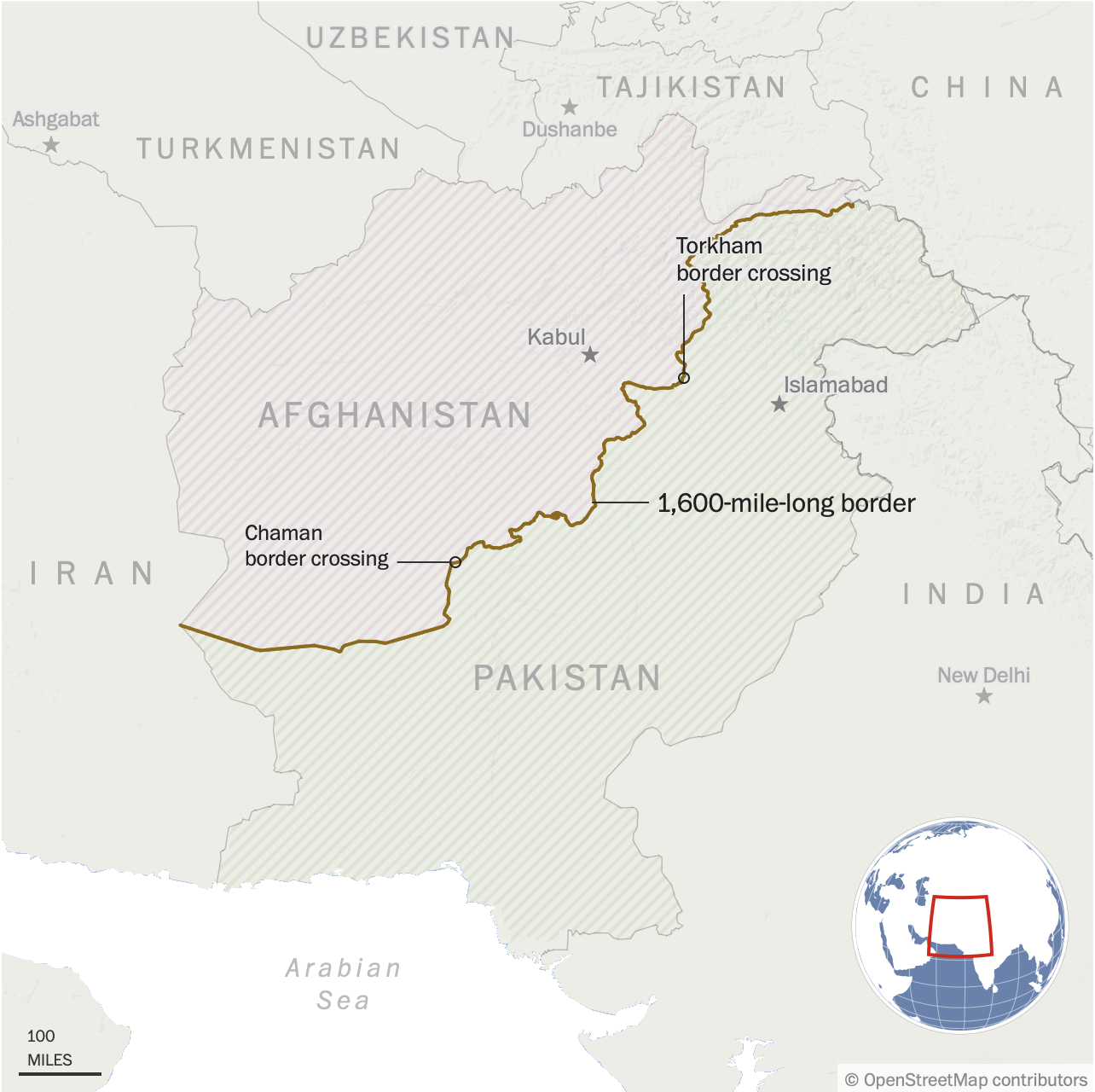
The reported creation of the Hebati Unit is most revealing when read in this context. According to former CIA targeting officer Sarah Adams, the Hebati Unit consists of approximately 4,000 personnel. Its headquarters is reportedly located at Kandahar International Airport, where the Taliban’s elite 444 National Unit is also based. Yet despite operating from the same military hub, the Hebati Unit functions as a separate organization with a dedicated mission focused exclusively on Afghanistan’s side of the Durand Line. Its purpose is therefore not general defense, but frontier control.
The Taliban’s rule is already defined by every woman pushed out of public life, a deepening economic collapse, widespread poverty, and the persistent threat of narcoterrorism networks. Yet despite these overlapping challenges, the Taliban leadership appears to prioritize the security situation along the Pakistan border as one of its central strategic concerns. This appears to be a silent volcano just waiting to erupt. The heat beneath this crisis comes from multiple layers. TTP violence, Pakistani retaliation, Taliban defiance, the Durand Line, refugee pressure, and decades of strategic mistrust. Pakistan once believed it could shape the fire across its western frontier. It now faces the danger that the fire has found its own direction.