
Author and Global Affairs Commentator
The Art of Tehran’s Deception
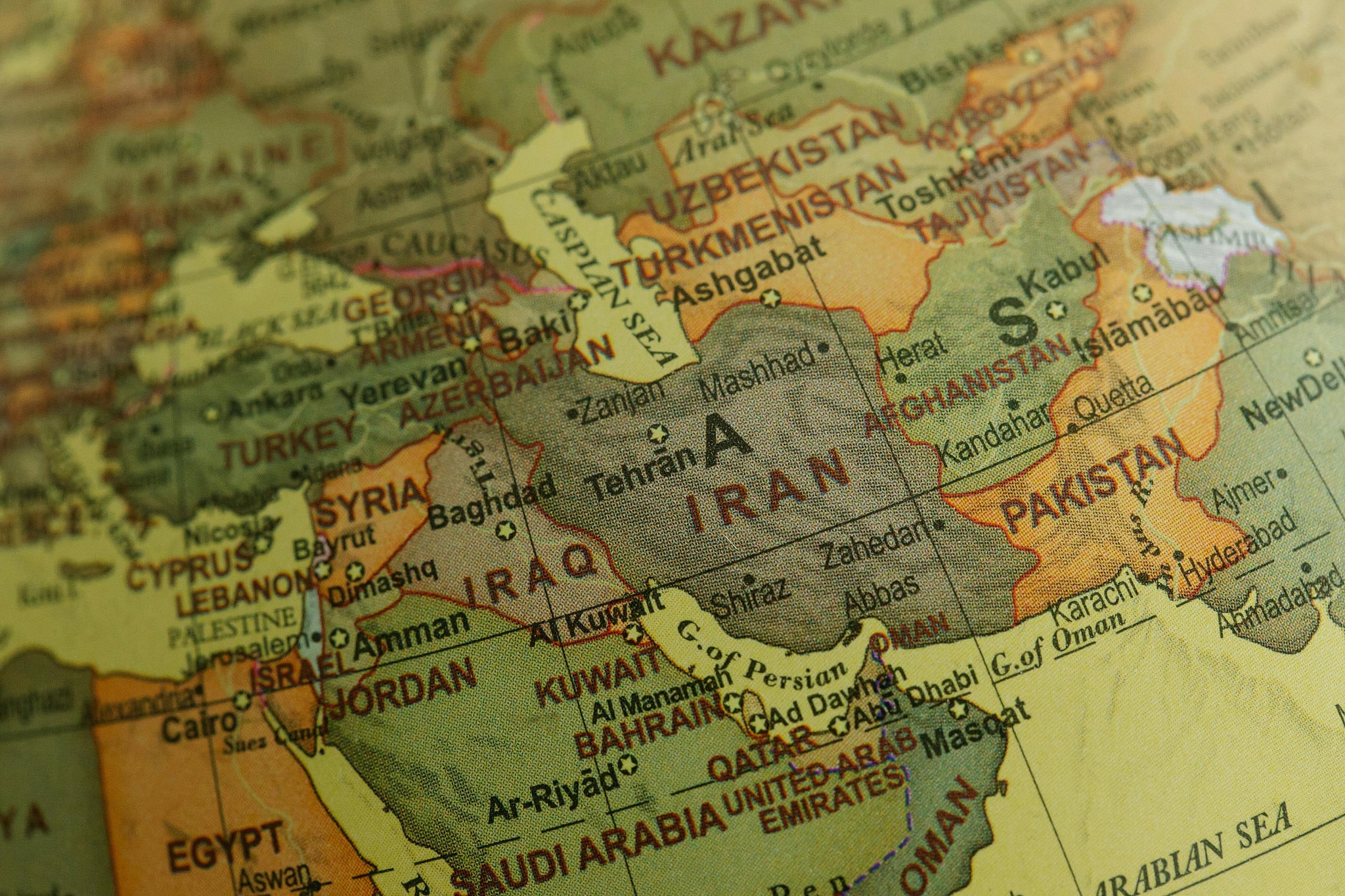
the central question is no longer whether Tehran is willing to negotiate, but whether its leadership views negotiations as a genuine route to compromise or simply as another means of buying time, reducing international pressure and preserving the regime.
For nearly five decades, the Islamic Republic has combined diplomacy with ideological ambition, regional influence and military deterrence. As Washington and Jerusalem weigh their next steps, supporters of a tougher approach argue that Tehran’s negotiating posture cannot be separated from the revolutionary doctrine that has shaped its behavior since 1979. Others contend that diplomacy, however imperfect, remains the only realistic path to avoiding another prolonged conflict in the Middle East.
When the Iranian Revolution swept Ayatollah Ruhollah Khomeini to power in 1979, many Western policymakers viewed it primarily as a nationalist upheaval that would eventually settle into conventional statecraft. That assumption, critics argue, underestimated the ideological nature of the new Islamic Republic and the ambitions embedded within its revolutionary project.
Nearly half a century later, Iran remains at the center of many of the Middle East’s most persistent security crises. Its support for armed proxy groups across the region, continued investment in missile and nuclear capabilities, and recurring confrontations with Israel and the United States have reinforced the belief among many Western and regional officials that Tehran sees negotiation as only one element of a broader strategic campaign rather than an end in itself.
Those concerns are particularly relevant as President Donald Trump and Israeli Prime Minister Benjamin Netanyahu continue coordinating their approach toward Iran. The central question is no longer whether Tehran is willing to negotiate, but whether its leadership views negotiations as a genuine route to compromise or simply as another means of buying time, reducing international pressure and preserving the regime.
Iran’s critics argue that understanding the country’s foreign policy requires understanding its ideological foundations. They contend that the Islamic Republic has never separated its revolutionary identity from its national interests. Instead, the state has fused religious authority, political power and regional influence into a single governing doctrine that extends well beyond Iran’s borders.
Over the decades, Iran has built relationships with an array of armed groups throughout the Middle East, including Hezbollah, Hamas, Palestinian Islamic Jihad, the Houthis and Iraqi Shiite militias. Supporters of Israel and many Western security analysts view these organizations not as independent actors but as components of a broader Iranian strategy designed to project influence while maintaining plausible deniability.
That strategy has been accompanied by steady investment in ballistic missiles, drone technology and nuclear development, as well as an expansive state media apparatus that promotes Tehran’s worldview abroad while defending its domestic legitimacy at home.
Critics also point to the regime’s treatment of its own citizens. Since the revolution, successive governments have responded harshly to political dissent, imprisoning opponents, restricting civil liberties and suppressing nationwide protests. Human rights organizations have documented thousands of arrests, executions and allegations of torture over the years, reinforcing the argument that the government’s internal conduct mirrors its external posture.
Against that backdrop, proponents of a tougher policy remain skeptical whenever Iranian officials signal renewed interest in diplomacy. They argue that previous negotiations have often coincided with continued military development, proxy activity or domestic repression.
The debate is particularly significant as Washington evaluates the role of regional intermediaries. Countries including Qatar, Turkey, Iraq and Pakistan have frequently served as channels between Tehran and Western governments. While such mediation can reduce tensions, critics argue that Iran has often used indirect diplomacy to shape international perceptions without fundamentally altering its strategic objectives.
Whether that assessment is entirely accurate remains contested. Many foreign policy specialists maintain that dialogue, however frustrating, is preferable to military escalation and that diplomatic engagement has, at times, constrained aspects of Iran’s nuclear program. Others counter that negotiations have repeatedly failed to change the underlying behavior of the Islamic Republic.
For supporters of maximum pressure, lasting regional stability ultimately depends on political change inside Iran rather than new diplomatic agreements. They argue that any durable peace would require a government willing to abandon revolutionary ideology in favor of normal relations with its neighbors and the wider international community.
Such a transition, however, would almost certainly be difficult. The collapse of an entrenched authoritarian system could unleash competing political movements, long-suppressed grievances and institutional instability before any democratic order could emerge. Even many advocates of regime change acknowledge that such a process would carry considerable uncertainty.
Some Iranian opposition figures argue that exiled Crown Prince Reza Pahlavi could help guide such a transition by providing continuity and national symbolism while democratic institutions are rebuilt. Others believe Iran’s future leadership should emerge through a fully open political process inside the country rather than around any single individual.
For Trump and Netanyahu, the strategic calculation extends beyond Iran itself. Both governments view Tehran as the principal source of instability behind many of the region’s conflicts, and both have argued that weakening the Islamic Republic would reshape the Middle East’s security landscape.
Whether history ultimately judges that approach as successful will depend not only on military deterrence but also on whether any strategy can produce a more stable Iran without triggering wider regional upheaval. That remains one of the defining foreign policy questions facing Washington, Jerusalem and their allies.
Related Topics
Related Posts