Protect What You Love
The Attack in Washington Heights Is a Wake-Up Call
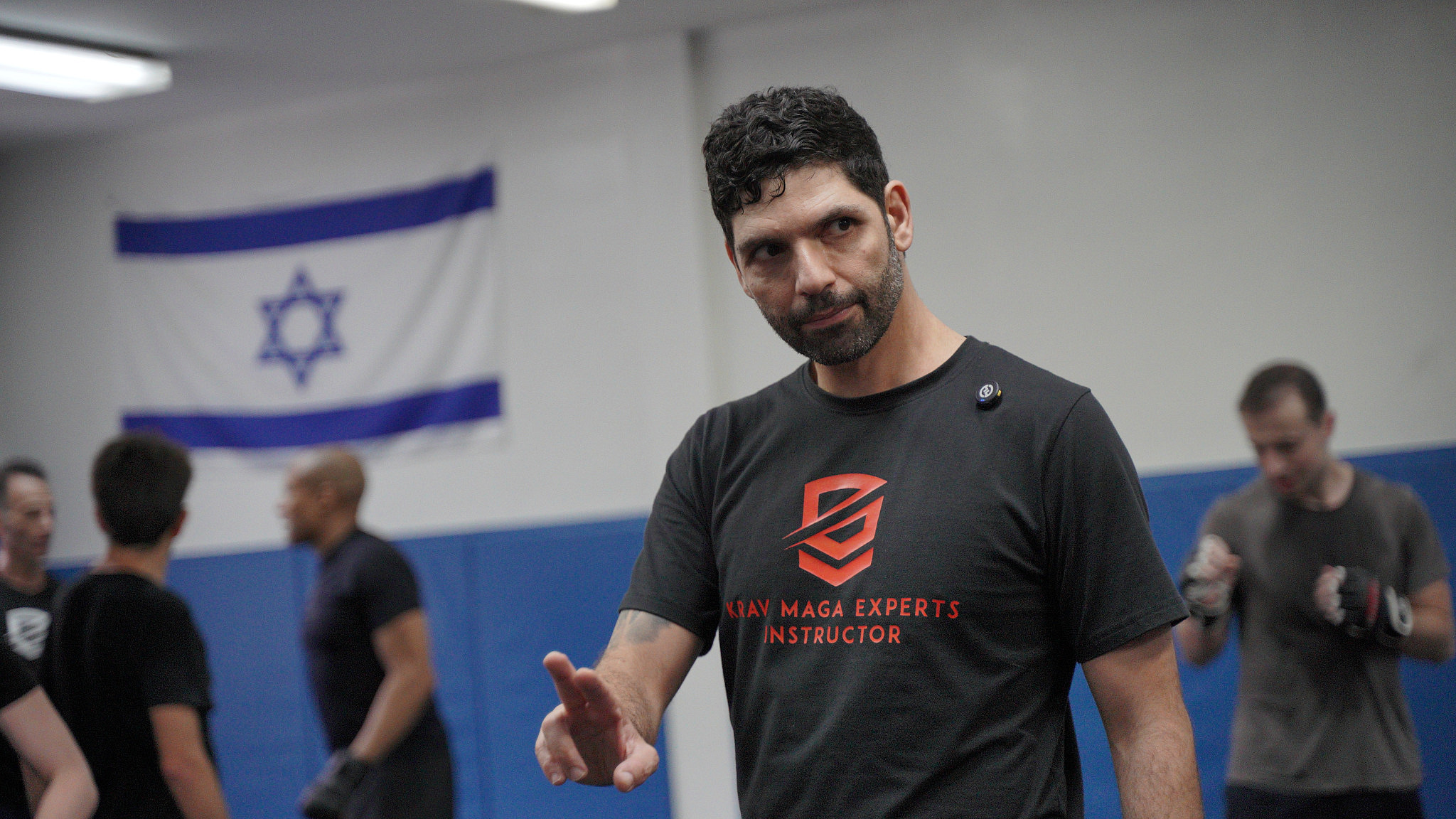
Image courtesy of the author.
On Thursday night, February 12, 2026, just after 7 p.m., a 20-year-old Yeshiva University student was attacked at the West 181st Street & St. Nicholas Avenue 1 train station in Washington Heights. According to the NYPD, officers responded to a 911 call reporting an assault. Police say he was punched and kicked by four unidentified individuals. School officials confirmed the incident, and Rabbi Dovid Bashevkin publicly addressed it.
A young Jewish student was surrounded and beaten in New York City.
The police have not classified it as a hate crime. I will not speculate about motive. I also will not pretend that Jews in this city do not feel exposed right now. After October 7th and the global reaction that followed, many Jews have felt a shift. That context matters, even when official language remains cautious.
It hurts to read about another Jew being attacked here. Not in Europe eighty years ago. Here. Now. On a platform many of us have stood on. On a train many of our children ride every day.
Krav Maga was not created for sport. It was forged in the 1930s because Jews were being attacked in the streets and needed practical survival skills. It was built on the understanding that personal safety cannot be outsourced. That principle remains unchanged.
What happened on that platform was a group assault. Four against one in a confined space. That reality alone makes the situation extremely difficult. Even a well-trained person would face serious challenges under those conditions.
Group violence relies on intimidation, speed, and shock. One distracts. Others close the distance. The target is overwhelmed before he fully processes what is happening. Most decent people freeze for a few seconds under that kind of pressure. That freeze is human. It is not a weakness. It is an untrained response.
In a group assault, those seconds matter.
Subway stations increase vulnerability. They are transitional environments. People are distracted. Heads down. Hands occupied. Backs exposed. When several individuals begin adjusting their positioning toward you at once, that is the moment to move. Move toward light. Move toward staff. Move toward other passengers. Early movement is safer than late reaction.
If physical contact begins, the objective becomes clear.
Stay on your feet.
On the ground, in a group assault, the risk escalates quickly. Kicks replace punches. Mobility becomes limited. The goal is to create space through one side of the group and exit. Direct strikes. Clear intent. No hesitation. You do not manage everyone. You create an opening and move.
If you fall, protect your head immediately. Chin down. Arms shielding. Stand as soon as space allows. Mobility is survival.
This approach is not about aggression. It is about structural stability under chaos.
There is a conversation happening in many Jewish communities about visibility. Some argue that we should draw less attention. That instinct comes from lived history. Another approach is capability. Capability changes posture. Capability changes awareness. Capability reduces hesitation, especially in moments when good people freeze under pressure.
When you move with structure and confidence, you are perceived differently. Predatory behavior often selects for visible uncertainty and distraction.
There is a moral distinction between force and violence. Violence seeks harm. Force, when applied with discipline, seeks protection. Strength used responsibly is not brutality. It is stewardship of your own safety and the safety of those around you.
Self-empowerment is not paranoia. It is preparation.
Training is uncomfortable. It should be. You get tired. You experience pressure. You learn how to fall so that a simple loss of balance does not become a serious injury. You learn to breathe when adrenaline spikes. You learn to move while your heart rate is elevated. You build a response before you ever need it.
The attack may not have been intended to kill him. It still caused harm. Every time a Jew is attacked in this city, it leaves an impact beyond the individual involved.
No one can eliminate risk entirely. No one can control every variable. Capability, however, can be developed.
If you are Jewish in New York and you are able-bodied, this conversation concerns you in practical terms. Training is a responsibility. It is a responsibility to yourself and to those who depend on you.
Comfort is not the goal of training. The comfort comes later. It comes when you move through your day upright, aware, capable, and less vulnerable to being overwhelmed.
Do something amazing.
Related Topics
Related Posts