
The Bandaid on a Bullet Hole: When Policy Masks Systemic Failure
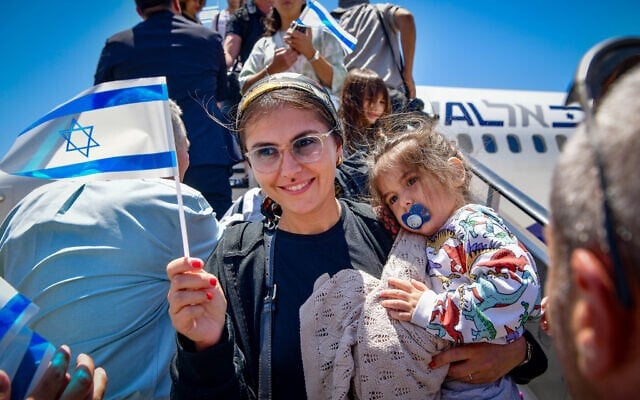
The government’s recent decision to ease licensing barriers for immigrant psychologists is a textbook example of “solution-based gaslighting.” On paper, the move is framed as a benevolent necessity—an urgent response to the crushing mental health crisis that has gripped Israel since October 7th. It is a logistical fix for a bureaucratic bottleneck. But if you look past the official press releases, it is something much darker: a cynical attempt to treat the symptoms of a national trauma while the very architects of that trauma continue to bleed the country dry.
The Myth of “High-Quality Human Capital”
Health Minister Haim Katz and Immigration Minister Ofir Sofer speak in the language of efficiency. They talk about “unnecessary barriers” and “high-quality human capital.” It sounds professional, doesn’t it? It sounds like progress. But let’s be clear about what is actually happening. The government is desperately importing labor to mitigate a mental health emergency that their own radical, polarizing, and reckless policies helped exacerbate.
We are watching a cabinet that has pushed the nation to the brink of a constitutional crisis, fueled societal fractures that have left us more vulnerable than ever, and managed an economy that is sending tens of thousands of our brightest citizens to seek a future abroad. Now, they want to plug the holes in our mental health system by fast-tracking immigrants—a vital and welcome addition to our society, certainly—but one that serves as a convenient tactical diversion. It allows the government to appear proactive while the root causes of our collective anxiety remain untouched, shielded by a government that refuses to take responsibility for its own failure.
The Tax of Chaos
Here is the core injustice: the physical and mental toll of this radical cabinet’s governance is not being paid by those sitting in the Knesset chairs. It is being paid by the ordinary Israeli citizen—the student worried about the cost of living, the LGBT youth watching their rights become political bargaining chips, and the women whose bodily autonomy and professional standing are increasingly under threat in a climate of deepening religious and ultranationalist fervor.
While the government celebrates the influx of new psychologists, those of us already here are the ones footing the bill for the instability. We are the ones dealing with the burnout of living in a country where the rule of law is being dismantled in real-time. We are the ones experiencing the “negative migration balance”—the 69,000 Israelis who left in 2025 because they saw no future in a state that prioritized ideological purity over the well-being of its people.
Is it the “manpower shortage” that is the real crisis, or is it the catastrophic shortage of empathy and competence in our leadership?
Treating Trauma Under a Burning Roof
The irony is palpable. We are bringing in professionals to help us process trauma in a society where the government is actively creating new, daily traumas. How can a psychologist effectively treat the anxiety of a young woman watching her rights erode, or the despair of an LGBT youth facing an increasingly hostile public sphere, when the state itself is the primary source of that institutional violence?
This move is a bandaid on a bullet hole. It is a classic move from the playbook of radical populism: acknowledge a problem, provide a superficial, technocratic fix that benefits a specific sector, and hope the public is too exhausted to ask why the problem existed in the first place.
The Real Cost of Our Silence
We need to stop pretending that this is just about “licensing barriers.” This is about the total failure of a cabinet that views its citizens as pawns in a long-game of political survival. Every time they ignore the voices of the protesters, every time they prioritize the interests of the radical fringes over the health of the majority, they are stripping another layer of security from our lives.
The mental health crisis in Israel is not just a clinical issue; it is a political one. We are suffering from the exhaustion of survival. We are tired of the constitutional crisis, tired of the threats to our fundamental rights, and tired of being told that the chaos around us is “necessary.”
The government might be easing the path for new immigrant psychologists to enter the country, but they are doing nothing to make Israel a place where those of us who are already here can breathe. They are importing help, while they continue to export our stability, our rights, and our hope. It is time we demand that those responsible for the wreckage pay the price, rather than leaving the rest of us to deal with the psychological bill for their radicalism.