The Battery Is the New Oil Well
Every flare-up in the Middle East reminds us how little control we have over the energy that runs our lives. Bar-Ilan University is quietly building the way out.
Every time the Middle East erupts, a driver at a Canadian gas pump feels it almost immediately. It seems absurd – Canada is one of the largest oil producers on earth – but oil is a global commodity, and a global commodity has no loyalty to the country that pumps it.
When a strait in the Persian Gulf is contested, buyers in Asia and Europe bid for whatever oil is left, ours included. A conflict Canadians did not start nevertheless quietly raises the cost of our everyday living. The latest instability in the Gulf reveals an uncomfortable truth: almost no one is truly energy independent.
The instinct, when prices spike, is to parrot a slogan: “Go Renewable”, “Keep it in the Ground”. It sounds good but solar panels and wind turbines only make electricity, and electricity is a minor slice of what oil does: the plastic in our phones, the fertilizer used to grow our food, mascara and make up and of course, the fuel in every ship and truck. What actually loosens oil’s grip is not a better speech – but a better battery.
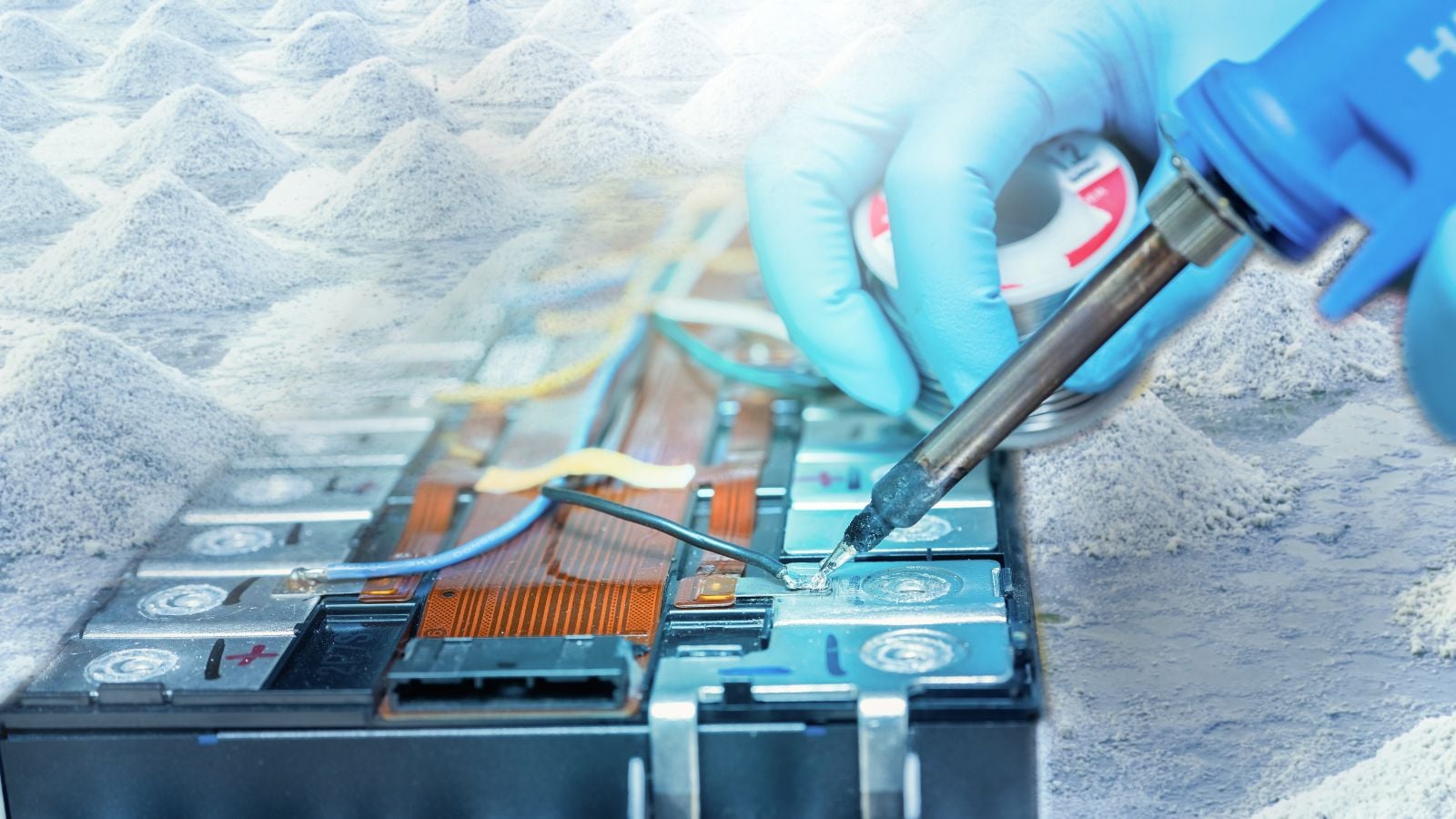
Indeed, the single technology standing between us and real energy freedom is storage: holding the power the sun and wind produce, and moving it where it’s needed, cheaply and safely. Crack that nut, and you shift the balance of power on the planet. As Bar-Ilan University energy scholar Dr. Elai Rettig put it to our supporters recently, whoever solves it will be “the next Bill Gates.”
Much of that work is already underway, and one of the places leading it is Bar-Ilan University in Israel. That is not an accident of geography. Israel has been forced to master energy self-reliance since the day it was founded, boycotted and embargoed into doing more with less. Necessity built the expertise, and it is now paying off.
Two years ago, Israel chose Bar-Ilan to anchor its energy future. In June 2025, after winning a competitive national tender, the university inaugurated the Israel National Institute for Electrochemical Energy Storage – a roughly US$36-million effort backed largely by the country’s energy ministry, coordinating dozens of research groups across the nation’s universities. Its home at Bar-Ilan holds infrastructure found nowhere else in Israeli academia: a moisture-controlled “dry room” that lets scientists turn a promising chemistry on a whiteboard into a manufacturable battery cell – the bridge between the laboratory and the factory floor where good ideas usually go to die.
The work is aimed squarely at the choke points. BIU Prof. Doron Aurbach, one of the world’s most-cited battery scientists, is leading a push to move beyond the lithium-ion cells that have barely changed in thirty years, toward batteries built on sodium – one of the most abundant elements on Earth. The significance is both chemical and geopolitical: lithium and cobalt come from a handful of countries that can turn off the tap. Sodium comes from seawater. A battery that runs on it is a battery no cartel or nation state can hold hostage.
This expertise runs throughout the institution. Bar-Ilan’s president, Prof. Arie Zaban, is himself a battery chemist whose research helped launch commercial aluminum-air batteries and self-healing solar panels durable enough to float at sea. When a university’s president spends his career on energy, energy is not a side project. It is the mission.
Why does this matter? A breakthrough in storage does not stay in one country. The battery that frees an Israeli grid from imported fuel is the same one that can steady a Canadian grid, light a home in a country that has never had reliable power and finally let the sun and wind do the work we keep promising they will. This is not Israeli technology or Canadian technology; it is a global public good.
We cannot control the next crisis in the Gulf. We can control whether we are still hostage to it a generation from now. This is the power of donors to Bar-Ilan University: they are not only investing in laboratories and lectures, but the science that will one day loosen oil’s grip on all of us.
Randy Spiegel is CEO of Canadian Friends of Bar-Ilan University.