The Cloonys and Ms. Rachel’s Implicit Terror Connection
From scripted talk shows to celebrity-endorsed social media narratives, Hollywood is shaping perceptions of Israel in ways that fuel antisemitism — with real-world attacks now claiming lives from Boulder to Washington, DC.
Through curated shows, social media posts, and selective advocacy, celebrities spread a simple but dangerous narrative: Israel is deliberately harming children. This emotionally charged message reaches millions, shaping perceptions and inspiring real-world consequences.
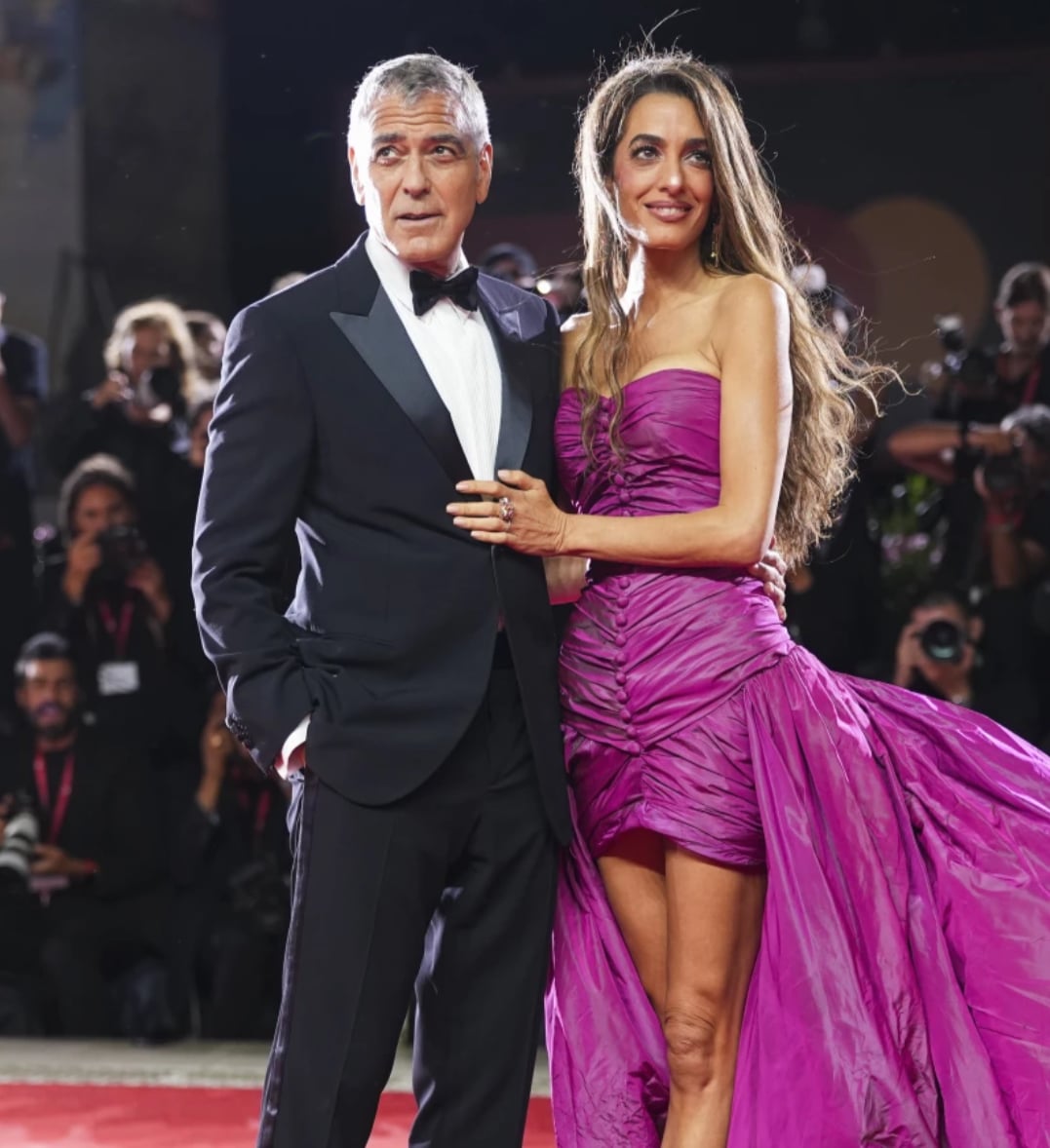
Amal Clooney attended meetings connected to the Muslim Brotherhood, and her husband George Clooney publicly brushed it off with laughter — a reaction that many found shocking and disturbing given the organization’s extremist history.
Television and social media appearances are rarely spontaneous. Drew Barrymore’s show, for instance, demonstrated clear scripting, showing how celebrities are directed to deliver precise narratives that align with political or social agendas. These orchestrated segments risk normalizing antisemitism and downplaying real threats against Jewish communities.
Other trusted figures, like Ms. Rachel — beloved by millions of parents of toddlers — use their platforms to post images of suffering children, destroyed neighborhoods, and bombed-out buildings in Gaza. Missing from these narratives are the thousands of Jewish children and families killed, kidnapped, or terrorized. On October 7 and in subsequent attacks, terrorists forced children to watch the atrocities being committed against their own parents and relatives, including brutal murders, rapes, and other extreme acts of violence. By presenting a one-sided story that frames Israel as the aggressor and Palestinian children solely as victims, these posts shape public perception even when later claiming that “all children deserve safety.”
The consequences of these narratives are immediate and severe. In Washington, DC, a gunman attacked the Capital Jewish Museum, killing two Israeli Embassy employees while shouting “Free, free Palestine!” In Boulder, Colorado, a man used incendiary devices and a makeshift flamethrower at a pro-Israel rally, injuring multiple attendees. Across Colorado, antisemitic incidents surged to a record high of 279 in 2024, including assaults, vandalism, bomb threats, and harassment of Jewish students. Hollywood messaging may not fire a gun or set a flame, but it cultivates an environment where hatred spreads and violence finds fertile ground.
Media, entertainment, and social platforms amplify these narratives. Films, television shows, and music that depict conflicts through a biased lens obscure the reality of violence directed at Jewish communities. One-sided empathy and selective narratives directly impact Jewish safety, leaving communities vulnerable.
It is therefore critical to scrutinize celebrity influence and Hollywood narratives. Audiences must distinguish artistic expression from fact, especially when content intersects with geopolitically sensitive issues. Awareness and accountability in media representation are essential to protect communities from harm and combat the growing threat of antisemitism.