The day after. Finally.
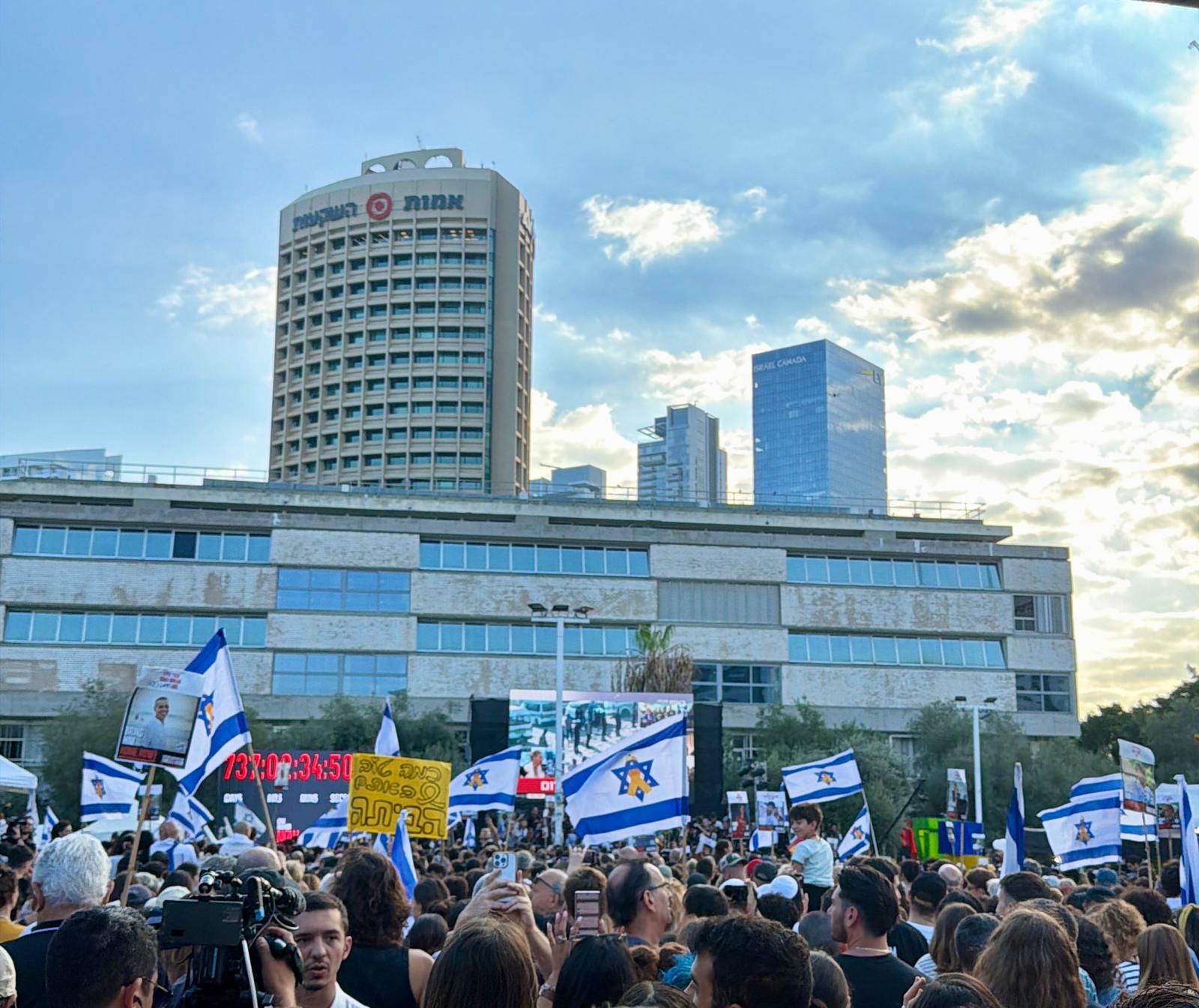
October 13, 2025. The day that feels like what October 8, 2023, should have been. A day of some sort of relief.
After 738 days, Hamas released the remaining 20 living Israeli hostages who had been fighting to survive in the tunnels of Gaza.
Two years of war later, and for the first time, we can exhale together.
Those who are still alive are finally home, and we pray that all of the bodies of those taken from us will soon return home as well.
How does a nation move from the trauma of October 7th — from endless loss, rocket alerts, terror threats, sleepless nights, and collective PTSD — to a day that suddenly feels lighter? The war is not over, but for the first time in two years, our hearts feel whole.
Hamas knew exactly what they were doing when they abducted our loved ones. They held the most powerful bargaining chip possible: Jewish and Israeli lives.
If Israel were a nation that valued efficiency over empathy, this war might have ended long ago. But that is not who we are. Our strength lies in our compassion. We are a people who believe that every single life is an entire world — and that belief has defined this war more than any weapon or strategy ever could.
Nine hundred and fifteen soldiers died for this day — Israelis, young and old, in active and reserve service — who gave their lives for the idea that one life is worth fighting for. They died for the belief that it is worth risking everything to bring one person home.
October 13, 2025 does not feel like victory. It feels like finally closing a book we were trapped in for far too long. It doesn’t mean that all of our problems are solved, but it does mean we can finally breathe — knowing our brothers and sisters are back in the arms of their parents, their children, their friends, and their partners, and no longer in the hands of the evil that tore them from us.
No one knows what the coming days will bring, but I do know this: the accusations made by those claiming to be “pro-Palestinian,” who called Israel genocidal, have been proven false.
A genocidal nation does not endure two years of war, grief, and sacrifice to bring 20 hostages home.
Regardless of politics, the diplomatic cooperation that led to this moment — between Prime Benjamin Minister Netanyahu, President Donald Trump, and other world leaders represents a rare and fragile achievement born not just of power, but of humanity.
And still, there will be those who remain unsatisfied. There always are. But that is not Israel’s problem. This small country, barely visible on a world map, has done more than rescue its own. It has dismantled terror networks, rewritten the tactics of urban warfare, extended humanitarian aid to others suffering under Islamic terror, and continued to innovate, invent, and build in the midst of chaos. Even in war, Israel never stopped creating.
The Israeli people have shown what resilience truly means — to remain unbroken while the world doubts you and to stand firm when others cheer for your downfall.
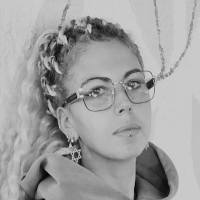
As an Israeli-American, today feels both unifying and humbling. Coming from the United States, a country often defined by political division, today in Israel felt like the opposite — a day when we breathed together, side by side.
For the first time in years, the air feels lighter. We remember why we fought so tirelessly, why we screamed our hostages’ names across the world, and why we refused to let their stories be forgotten.
I hope this time marks the last time Israel, or any nation, endures such a nightmare.
I hope the fallen hostages are returned home speedily, so that their families can finally bring them to rest. I hope the families who receive bodies instead of embraces find peace in knowing that their loved ones are finally home — able to be laid to rest with dignity, as their families begin the long and painful journey of healing.
More than anything, I know how proud I am to be both American and Israeli. My parents’ sacrifices — leaving one home to find another, believing in freedom, democracy, and Western values — make more sense to me now than ever. Making aliyah did not make me less American; it made me more grateful for both identities.
It has been two years of pain, fear, and perseverance. I pray that soon, we will know peace again, that our hostages can fully rejoin life, that diplomacy will grow stronger than hatred, and that the Middle East can breathe freely once more.
Now, Israel can breathe.
And maybe, for the first time in a very long time, tomorrow can finally feel like tomorrow.