
The F-35 Fiasco: Netanyahu’s Strategic Solitude and the Erosion of Israeli Clout
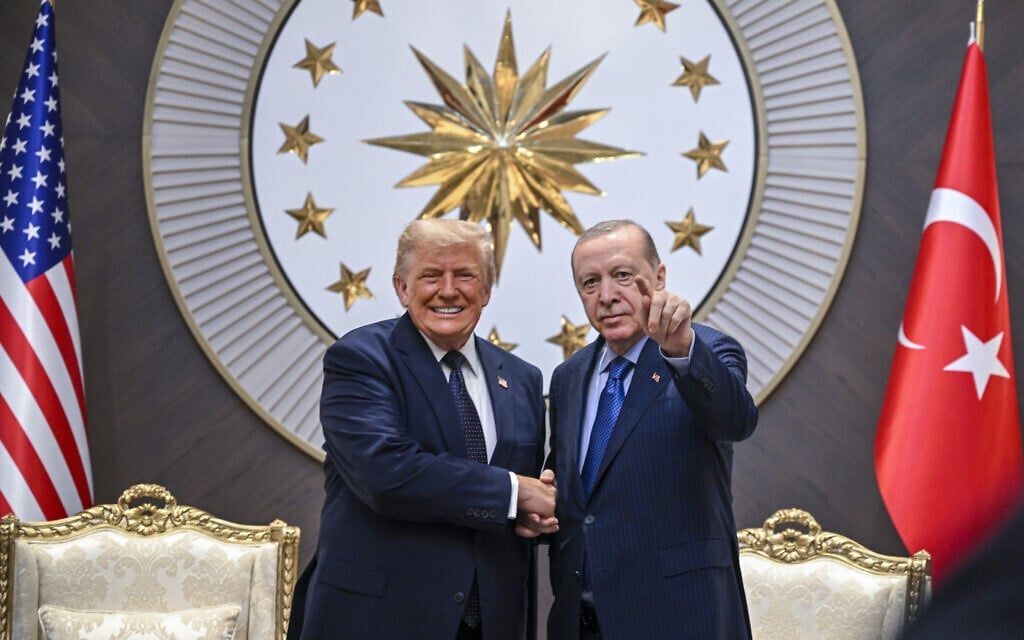
The sight of President Donald Trump in Ankara, standing alongside Turkish President Recep Tayyip Erdogan and signaling an openness to reinstate Turkey into the F-35 fighter jet program, is more than a diplomatic development. For the State of Israel, it is a stark, neon-lit indicator of a profound strategic bankruptcy. While the Prime Minister’s Office scrambles to issue belated warnings against empowering a regime that has openly championed Hamas and trafficked in grotesque anti-Israel rhetoric, the reality on the ground is far more damning: Benjamin Netanyahu’s singular, dogmatic approach to the United States has left Israel profoundly isolated, watching its regional influence erode in real-time.
The Bankruptcy of the “Special Relationship” Doctrine
For years, the Netanyahu doctrine has rested on the comfortable assumption that Israel could bypass traditional diplomatic infrastructure—bypassing the State Department, the intelligence community, and long-standing regional alliances—by tethering its entire strategic future to the personal whims of a single American leader. It was a strategy built on the vanity of “special relationships,” a gamble that personal optics could substitute for deep, institutional, and multilateral alignment.
The results of this narrow-minded approach are now cascading. As Trump’s embrace of Erdogan illustrates, the transactional nature of the current American foreign policy is indifferent to the existential anxieties of a Prime Minister who has spent his career alienating the very democratic partners—and occasionally, even the American political mainstream—essential to Israel’s long-term security.
A Regional Power Shift
We are witnessing the unraveling of a facade. While Netanyahu preaches the necessity of a hardline posture, Turkey has successfully rehabilitated its status, positioning itself as a “stabilizing” broker, leveraging its NATO membership and its unique ability to communicate with both the West and the adversaries of the West. While Israel finds itself sidelined, locked in bitter, reflexive cycles of public recrimination that achieve little, Ankara is “rising from the canvas.” The irony is cruel: as Turkey consolidates its position as a key regional mediator, Israel—once the indispensable hub of regional intelligence and security cooperation—finds its own clout increasingly treated as an afterthought in Washington.
The Public’s Verdict: A Collapse of Trust
The public, it seems, has recognized this failure before the government has. Recent polling from the Israel Democracy Institute reveals a sobering reality: only 28% of Israelis now believe that President Trump prioritizes Israel’s security. This is not merely a dip; it is a collapse of trust, plummeting from 64% just months ago. This data point is a vote of no confidence in the “Netanyahu approach.” It confirms that the Israeli public increasingly senses what the political establishment refuses to admit: that our security is being managed through a lens of reckless improvisation rather than strategic foresight.
Reckoning with Diplomatic Myopia
The widening gap between Israeli and American national interests in the region is not a mystery—it is the direct consequence of a policy that prizes partisan theater over enduring diplomacy. By turning the U.S.-Israel relationship into a mirror of his own political fortunes, Netanyahu has stripped away the bipartisan insulation that once protected Israel from the mercurial nature of international politics. We are now paying the price for that hubris.
When a superpower recalibrates its regional interests, it does not do so based on the personal grievances of a foreign leader; it does so based on cold, hard utility. Turkey, with its massive military and strategic geography, has made itself useful to Washington in a way that a cloistered, reactive Israeli government no longer can.
Israel’s future security depends on the restoration of a balanced, multifaceted foreign policy that prioritizes our long-term alignment with the democratic world—not the transient approvals of a single administration. The F-35 sale to Turkey should serve as a wake-up call. We are losing our influence because we have traded our strategic depth for short-term political posturing. If we continue on this trajectory, we will find that the “special relationship” is no longer a shield, but a liability—and a nation as exposed as ours cannot afford the consequences of such prolonged diplomatic myopia.
As a fellow observer of the shifting landscape in Washington and Jerusalem, do you believe there is still space within the current Israeli political framework to pivot toward a more institutionalized, bipartisan diplomatic strategy, or has the damage to these traditional channels become too entrenched?