
CEO of Time to Stand Up for Israel
The Feminist Blind Spot in the Middle East Debate
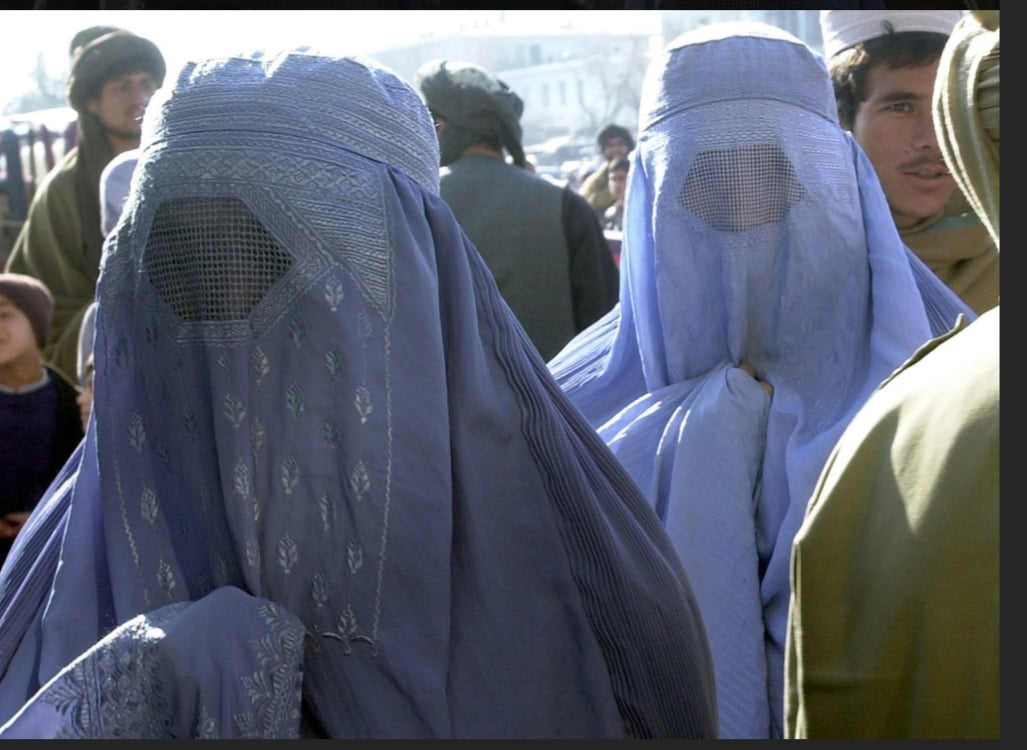
Women Under Sharia law
Across much of the Middle East, being a woman is not simply a matter of inequality, it can be a matter of survival. The treatment of women under radical Islamist regimes is not an abstract human rights talking point; it is an everyday reality of fear, repression, and violence.
In Iran, women have been beaten, arrested, and imprisoned simply for removing their headscarves in public. The so-called “morality police” enforce strict dress codes, and a woman who challenges them risks losing her freedom or her life.
In Afghanistan, the Taliban has erased women from public life. Girls are barred from school beyond primary grades. Women are banned from most jobs, forbidden from traveling without a male guardian, and punished for even appearing in public without full-body coverings.
In Gaza, under Hamas rule, women’s legal rights are virtually non-existent. Victims of sexual assault may be pressured or forced to marry their attackers “to protect family honor.” Domestic violence is often ignored, and so-called “honor killings” go unpunished. There is no LGBTQ+ freedom, no independent women’s rights organizations, and no space for dissent.
In Saudi Arabia, women have gained some incremental freedoms in recent years, but strict male guardianship laws remain, and the government can still punish women for actions such as choosing their own partner or traveling without permission.
And yet, amid all of this, there is one country in the region where women live as full and equal citizens: Israel.
Israel’s Reality for Women
In Israel, women have the right to vote, to run for and hold public office, to serve as judges, including on the Supreme Court and to command military units. Women can lead major corporations, start their own businesses, and freely choose their careers. There is no state-imposed dress code. Women can marry who they choose or not marry at all. If a woman is assaulted in Tel Aviv, she can report the crime to the police knowing that her complaint will be taken seriously, investigated, and prosecuted.
The country has robust laws protecting against workplace discrimination and domestic violence. LGBTQ+ rights are enshrined in law, and pride parades take place openly in cities like Tel Aviv and Jerusalem. Religious minorities, including Muslim women, have access to education, healthcare, and legal recourse in Israel’s courts.
This is not to claim that Israel is flawless. No country is. But the difference between Israel’s treatment of women and the policies of its neighbors is vast and undeniable.
The Contradiction in the West
And yet, in Western cities from London to Los Angeles, some feminists march with Palestinian flags or chant slogans in support of movements like Hamas, movements that, if in power, would strip away the very rights those same feminists hold dear.
It is a troubling contradiction: women who enjoy the freedom to dress, speak, and love as they choose, standing in solidarity with regimes or groups that would imprison, silence, or kill them for exercising those freedoms.
This is not about agreeing with every decision of the Israeli government. It is about recognizing the fundamental moral difference between a democracy that enshrines women’s rights in law and organizations that deny women even the right to exist freely.
When you champion radical Islamist movements in the name of “justice,” you are not just betraying Israel, you are betraying women. You are turning your back on the girls who cannot go to school in Kabul, the women beaten for showing their hair in Tehran, and the victims silenced in Gaza.
The Real Feminist Litmus Test
If you truly believe in gender equality, freedom of choice, and human dignity, the question is simple: Where in the Middle East do women enjoy these rights? The honest answer is: only in Israel.
You don’t need to agree with Israel’s every policy to recognize that, in the context of women’s rights, it stands alone in the region. To ignore this truth is to fail the most basic feminist test.
Until that recognition comes, one question should haunt any feminist who finds themselves siding with Israel’s enemies:
If you claim to care about women, why would you ever stand against the only country in the Middle East that truly protects them?
Related Topics
Related Posts