
The four species as a symbol of unity in Israel
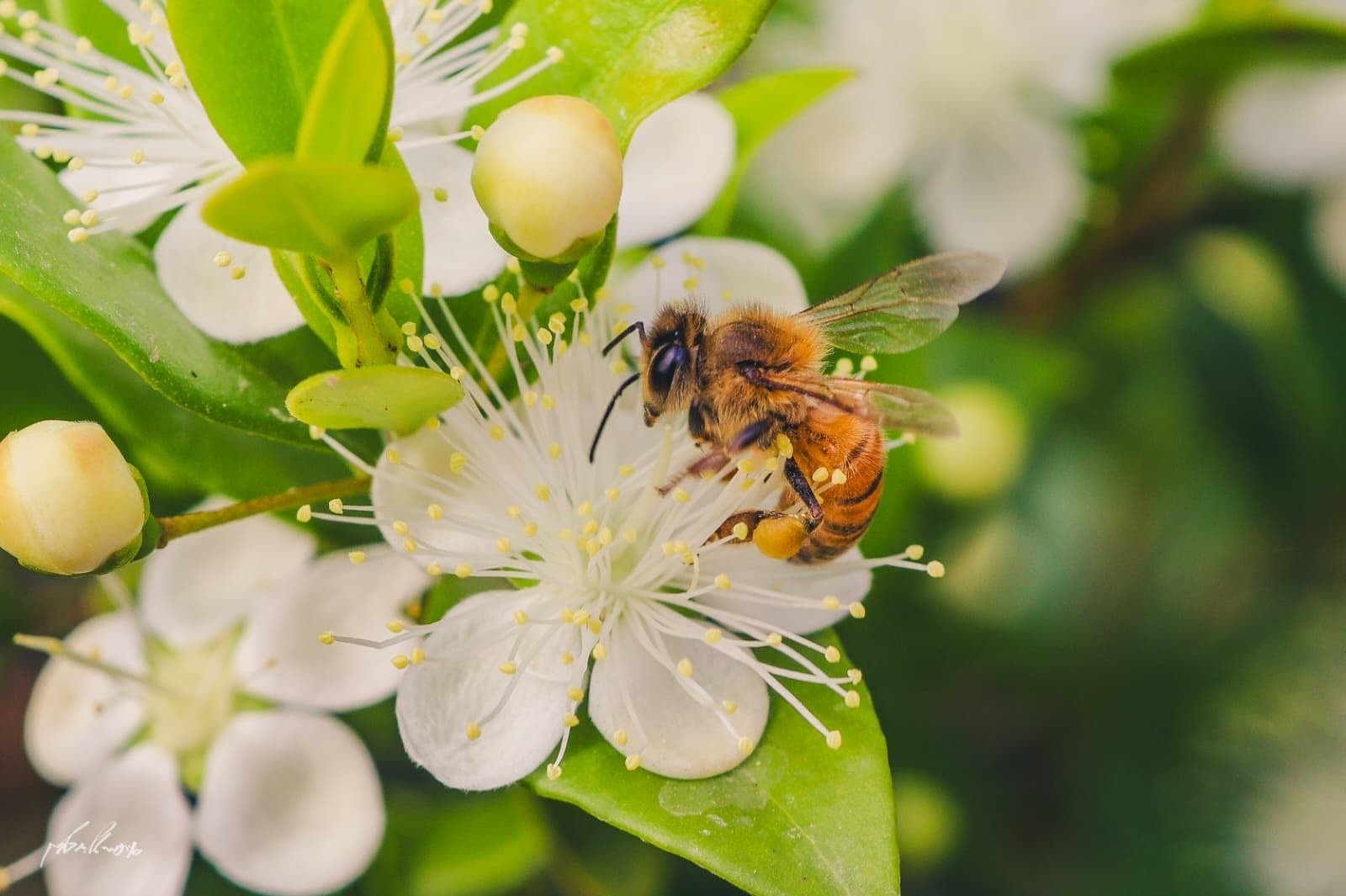
In Vayikra 23:40, we read about the four species which are used on Sukkot:
You shall take for yourselves, on the first day, the fruit of the beautiful tree, a branch of palm trees, boughs of thick leaved trees and willows of the brook and you shall rejoice before HaShem, your God for seven days.
The Rambam writes in Moreh Nevuchim, The Guide for the Perplexed 3:43, that the four species are a symbolic expression of our rejoicing that the Israelites exchanged the wilderness with a country full of fruit-trees and rivers. In order to remember this, we take the most pleasant fruit of the land, branches which smell great, most beautiful leaves, and the best of herbs, the willows of the brook. These four species have three purposes: First, they were plentiful in those days in the Land of Israel, so they were easily acquired. Secondly, they have a good appearance. The etrog (citron) and the hadas (myrtle) have a great smell, while the lulav (branches of the palm-tree) and the arava (willow) do not have a good or bad smell. Thirdly, they stay fresh for seven days.
Noga Hareuveni, an Israeli botanist and scholar of Judaic Studies who was awarded the Israel Prize for his leading role in the creation of the Biblical garden and nature preserve, Neot Kedumim wrote a groundbreaking ecological and geographical interpretation of the four species.
Hareuveni pointed out that the four specific plants commanded in the Torah represent four distinct, contrasting ecological regions of the Land of Israel:
The etrog represents the moist, irrigated coastal plains and valleys, the lulav symbolizes the arid desert oases and deep valleys (like Jericho) where springs feed the soil, the hadas reminds us of the wet, rocky mountain ranges and the arava corresponds to permanent riverbeds and wadis.
Hareuveni believed that during “Aliya LaRegel”, the ancient pilgrimage to the Beit HaMikdash (Temple) on Sukkot, Jews from all different corners of the Land of Israel would meet and exchange their regional flora since these four species only grew natively in completely different territories. A farmer from the mountains brought hadasim, while a farmer from the desert brought lulavim etc. Binding them together physically mirrored the geographical and societal unification of the nation.
The next time that you travel around Israel, stop at Neot Kedumim, where visitors can walk the “Four Species Ascent,” a landscape specifically cultivated to display the four species growing next to each other, reminding us that as long as we all work together, we will be united.