The Grim Death Toll in Iran
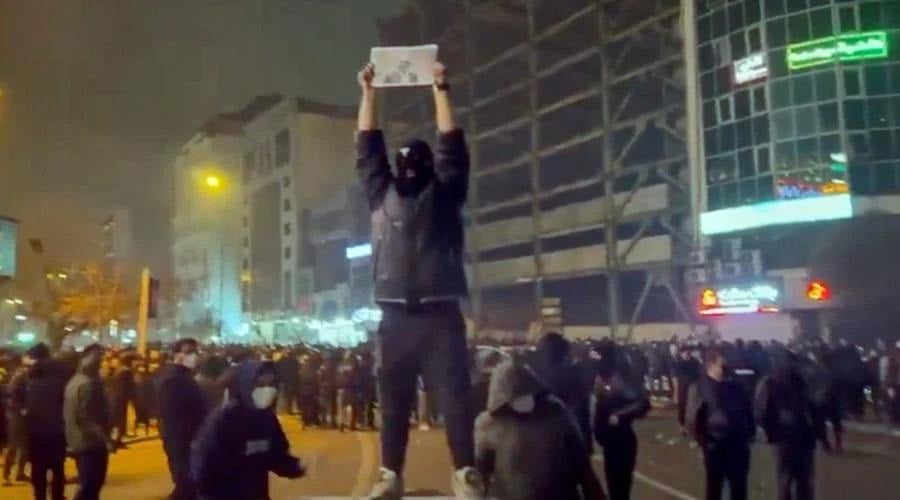
The streets of Tehran, Iran’s bustling capital, have become the epicentre of what many are calling a revolutionary uprising against the Islamic Republic’s regime. As of January 12, 2026, protests that began in late 2025 over economic collapse, soaring inflation, and currency devaluation have escalated into widespread demands for political change. Chants of “Javid Shah” (“Long Live The Shah”) and “This is our last battle, Pahlavi will return” echo through neighbourhoods, universities, and bazaars, drawing in students, workers, and ordinary citizens. But this surge of defiance has come at a staggering human cost. Based on available reports from activists, eyewitness accounts, and international media, my conservative estimate places the number of fatalities in Tehran alone at a minimum of 7,000. This figure, while shocking, emerges from a synthesis of hospital overload data, morgue capacity constraints, and unverified but consistent reports of bodies left outside formal facilities or buried hastily to conceal the scale of the crackdown.
To understand this estimate, we must first contextualise the protests. The unrest ignited in Tehran’s Grand Bazaar when the Iranian rial plummeted to over 1.45 million per U.S. dollar, compounded by inflation rates exceeding 40%. What started as economic grievances quickly morphed into anti-regime demonstrations, spreading to at least 100 cities nationwide. Security forces, including the Islamic Revolutionary Guard Corps (IRGC) and Basij militias, have responded with lethal force: live ammunition, tear gas, and mass arrests. International rights groups documented excessive violence, including the killing of children and bystanders.
The regime’s imposition of a total internet and Telephone blackout has made accurate reporting challenging, but leaked information from medical professionals and activists paints a picture of carnage.
A key factor in estimating Tehran’s death toll is the strain on the city’s medical and morgue infrastructure. Tehran, with a population exceeding 10 million, relies on a network of hospitals and morgues to handle fatalities. Reports indicate that these facilities have been overwhelmed since the protests intensified around January 1, 2026. For instance, staff at multiple hospitals have described emergency rooms packed with gunshot victims and corridors lined with the injured. One anonymous doctor in Tehran reported to TIME magazine that just six hospitals had recorded at least 217 protester deaths, primarily from live ammunition.
This snapshot alone suggests a dire situation: if six facilities saw 217 bodies, extrapolating to Tehran’s approximately 100 major hospitals yields a rough figure of around 3,600 deaths (assuming an average of 36 per hospital, based on the reported data).
However, this hospital-based count likely underrepresents the total, as many victims never reach medical care. Eyewitnesses have described scenes of bodies left in streets, lorries or transported directly to makeshift sites. A logical extension of this is to consider morgue capacities. Tehran’s central morgue system, managed under the Legal Medicine Organisation, has a reported baseline capacity for handling routine deaths—estimated at around 4,500 bodies across key facilities during peak times, based on infrastructure reports from prior crises.
In normal circumstances, Tehran sees about 150-200 natural deaths daily from aging, illness, and accidents. But during the protests, morgues have filled rapidly. Eyewitnesses reveal that at least one Tehranpars hospital’s morgue reached full capacity, forcing bodies to be stacked in front of it or removed prematurely.
Witnesses described “bodies piled up” outside facilities, with families pressured to pay exorbitant fees up to 700 million Toman (roughly $1,400 at black market rates)—to retrieve loved ones.
Building on this, unverified but corroborated reports from Iranian sources suggest an additional 3,000 bodies handled outside official morgues. These include victims buried in unmarked graves, transported to warehouses, or left in remote areas to evade scrutiny. One anonymous source claimed nationwide figures as high as 13,423 over 48 hours, with a significant portion in Tehran due to its population density and protest intensity.
Multiple news outlets and video footages documented “scores” of bodies outside a Tehran morgue, indicating overflow that could scale up when considering multiple sites.
Adding the morgue capacity (4,500) to these external estimates (3,000) gives a raw total of 7,500. To account for natural deaths amid the chaos—perhaps 500 over the protest period, based on daily averages—we arrive at a net estimate of 7,000 protest-related fatalities in Tehran alone.
This logic isn’t arbitrary; it’s grounded in patterns from past Iranian uprisings. During the 2019 protests, official figures admitted 230 deaths, but activists estimated 1,500 nationwide, with Tehran bearing a disproportionate share.
Similarly, the 2022 Mahsa Amini protests saw verified deaths of over 500, again underreported by the regime.
In 2026, with protests described as the largest since 1979, the scale is amplified. UK-based Iran International reported at least 2,000 killed nationwide in just 48 hours amid the blackout, a figure that aligns with Tehran’s centrality.
If Tehran accounts for 30-50% of national totals (as in prior events), even conservative nationwide estimates of 5,000-10,000 imply thousands in the capital.
Critics might argue these numbers are inflated, pointing to lower figures, however, these are verified minima, not maxima, hampered by the blackout and regime censorship.
Extrapolations from partial data, like the TIME doctor’s account, suggest the true toll is far higher. Beyond Tehran, the national picture is equally harrowing.
Activists report 10,600 arrests and thousands missing, potentially adding to the death count through executions or torture.
The regime’s threats against U.S. intervention, voiced amid Donald Trump’s warnings, underscore the desperation.
UN Secretary-General Antonio Guterres expressed shock at the violence, calling for restraint.
This estimate of 7,000 in Tehran isn’t meant to sensationalise but to highlight the human tragedy. Names like Amirhossein Khodayari (22), and others remind us these are individuals, not statistics.
As protests continues with the near-total lack of meaningful support during the first two critical weeks and the deafening silence from mainstream Western media, Iranians are once again voicing a bitter conviction: the international community is effectively complicit with the Islamic Republic and quietly buying its diluted, sanctioned oil through shadowy back channels and ghost fleets. They will not back down and want this modern Berlin Wall to fall! Expelling the regime’s ambassadors from capitals around the world would be a powerful first step!