The Heirloom
“Why didn’t grandma give me the “heirloom” that she spoke about?” asked my son, Yoav.
“It’s a long story”, I answered.
My son, Yoav married his bashert, Danielle on June 7, 2026.
My mother, her husband and my uncle (my mother’s brother) made the journey from the U.S. to the wedding in Israel. My mother proudly carried with her what we coined, “the Heirloom”.
This thick gold necklace was the only piece of jewelry that my biological grandfather, Denes Istvan bequeathed to my grandmother, “nagymama”.
Yoav carries Istvan’s name.
We know little about Istvan. I didn’t even know he existed until I was about nine or ten years old. My mother only told me when the man I had thought was my grandfather had passed away.
During the Holocaust, Istvan was sent to a forced labor camp, escaped and spent the rest of the war hiding in the forests. While he was part of the 10 percent of Jews from the Hungarian countryside who survived, he returned home alone, his parents and immediate family murdered.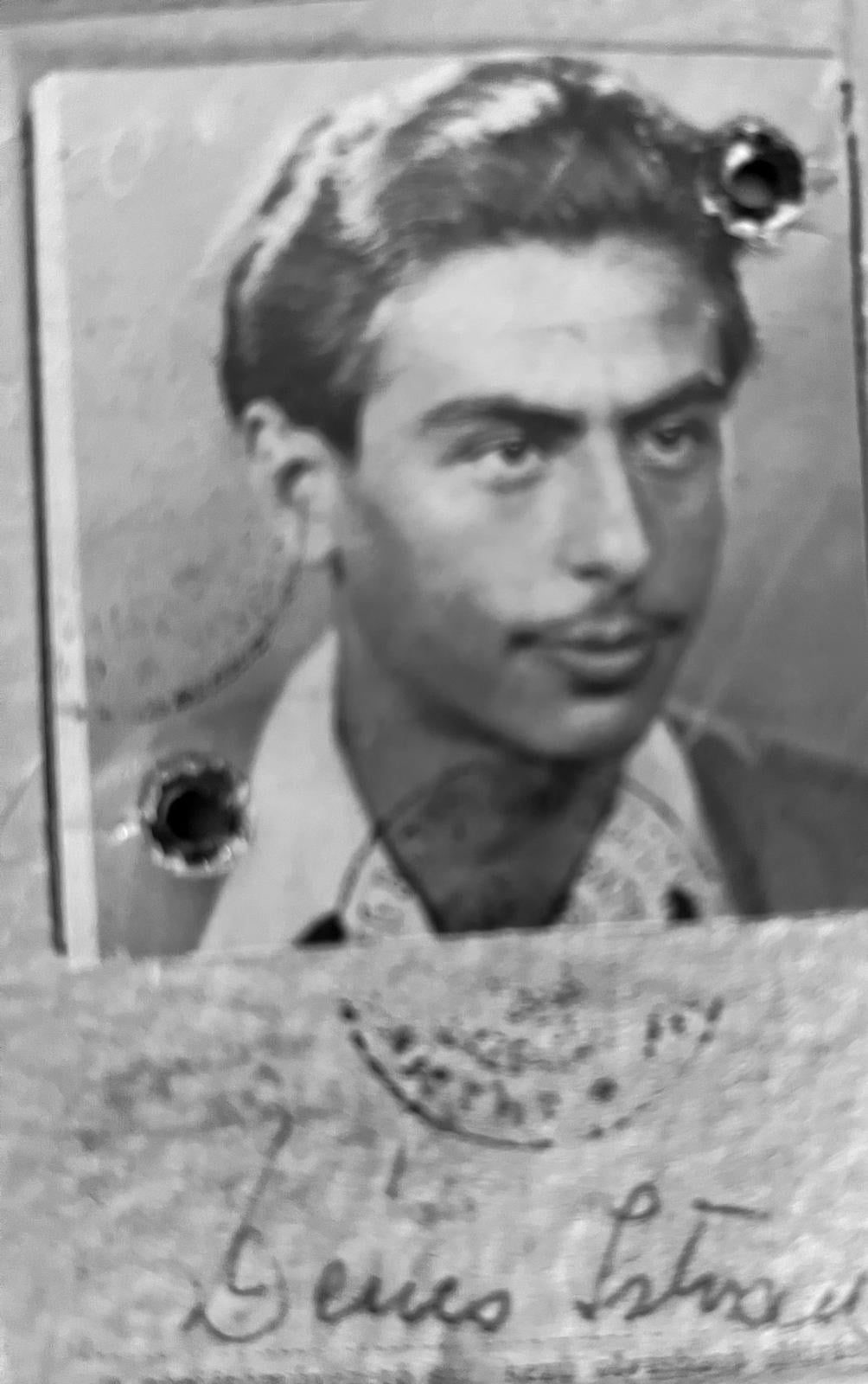
In 1945, he was 21.
Nagymama was 23.
Very few Jews came back to their little town on the then Hungarian – Yugoslav border, and legend has it, that everyone knew everyone else.
Nagymama was more than infatuated with the young, exciting man who was a soccer referee, rode motorcycles and apart from the village physician was the only one who drove a car.
She was in love.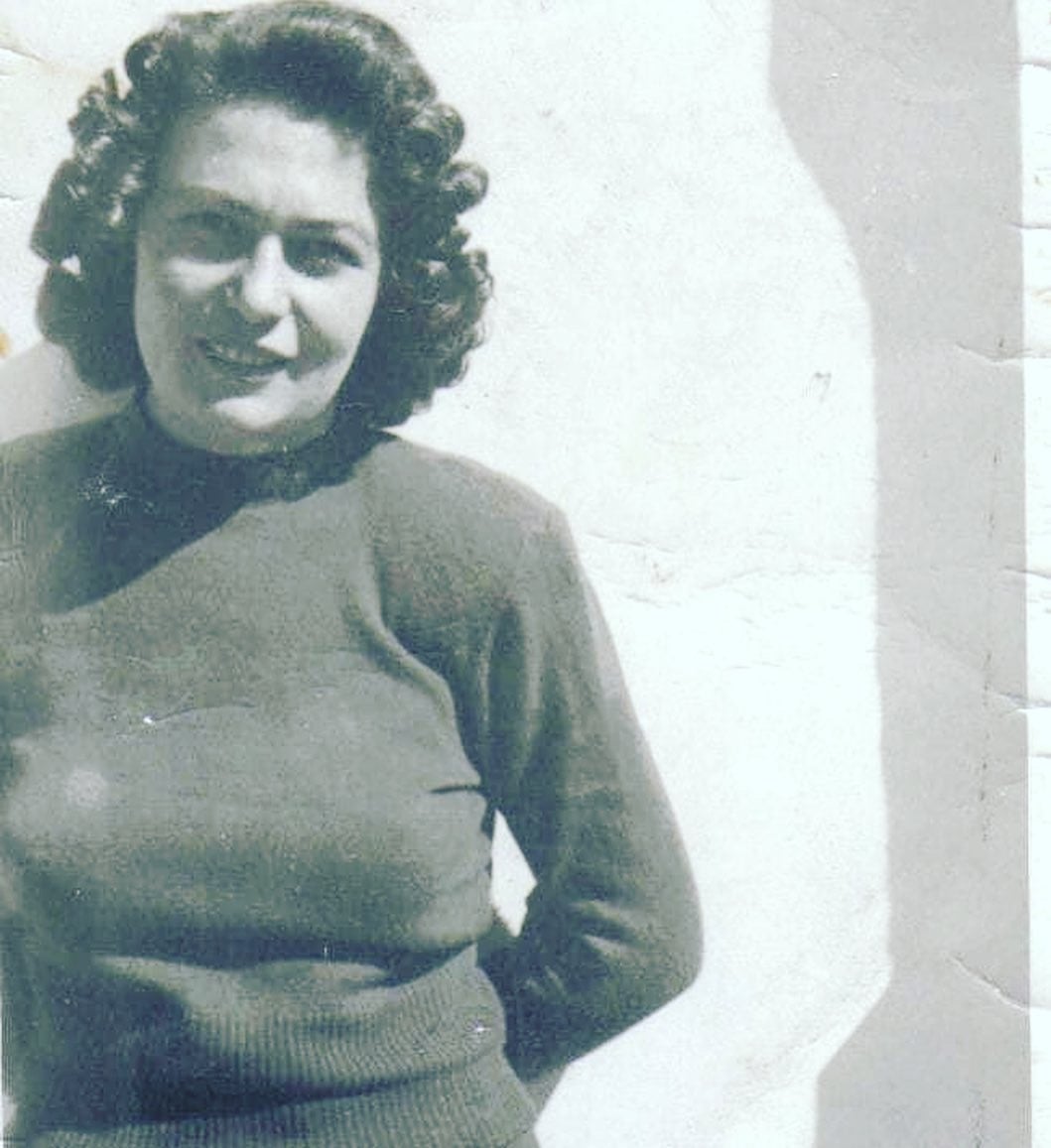
Legend also has it that it took her quite a lot of riding her bicycle past Istvan’s house to get noticed but nagymama was a determined young woman who also survived forced labor, Bergen Belsen and Theresienstadt. She knew that she wanted Istvan and for better or worse, would have him.
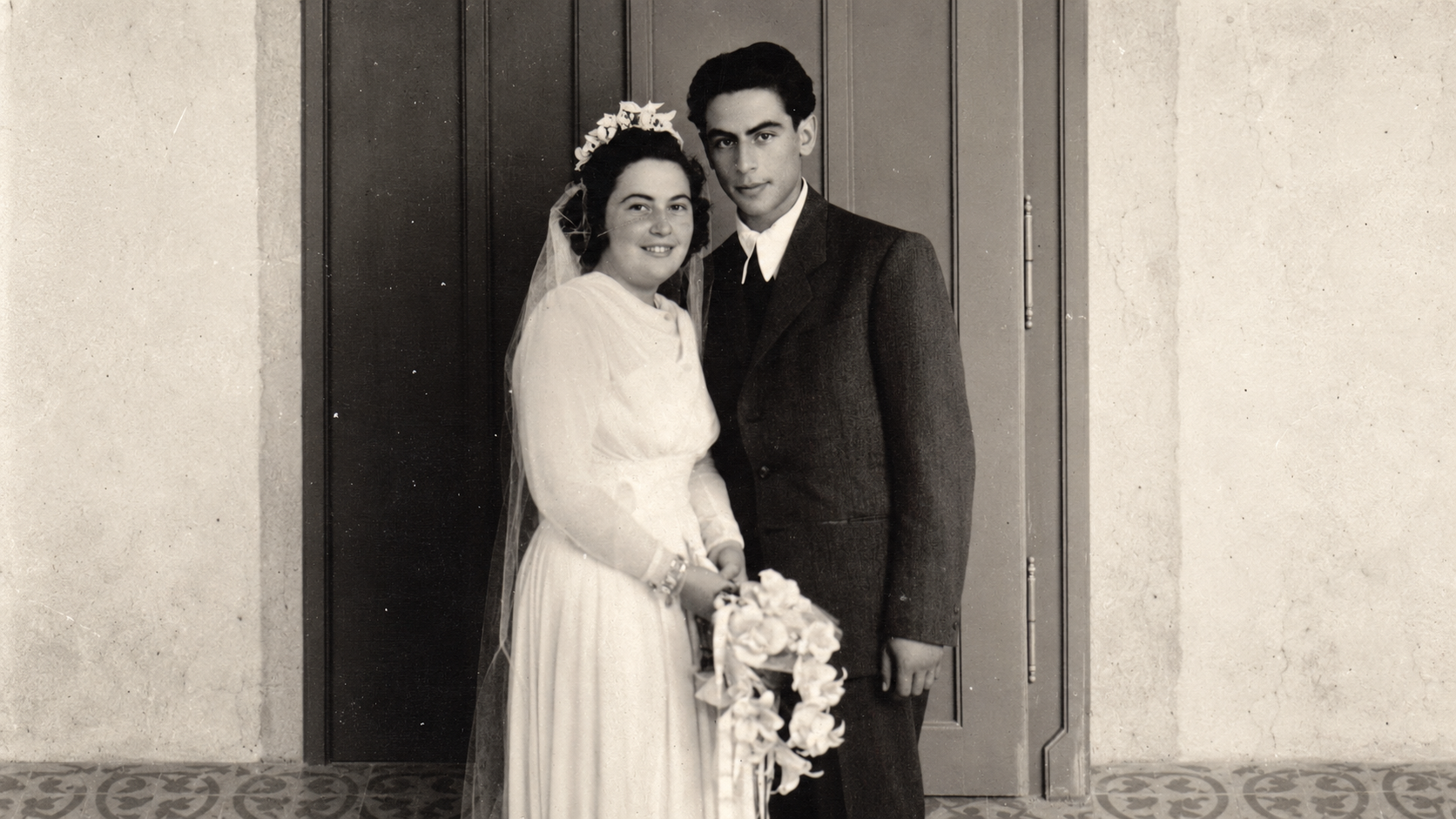
Finally, Istvan noticed her. They were married in June 1946. My mother was born in August 1947, her brother in October 1949.
At 26 years old, in February 1950, Istvan died by his own hand.
My grandmother remarried quickly and her new husband, a friend of Istvan’s adopted the children.
Nagymama never stopped loving Istvan but she also hated him. Perhaps, she thought that life would be easier if his memory was erased but my mother, despite her young age, remembered her father because Istvan had adored her.
Istvan’s death, along with G2 post-Holocaust trauma, ricocheted throughout my mother and my uncle’s childhood’s, leaving the type of generational scars that are hard to heal.
Many years later, nagymama gave my mother the “Heirloom” which she happily brought to Israel to pass on to Yoav at his wedding.
A couple of days before the event, my uncle suggested that they get it cleaned. Strolling through Beersheva’s old city on a scorching Friday morning in early June, my mother, her husband and my uncle entered an old jewelry shop. The elderly owner looked at the piece, cleaned it and asked whether it would be acceptable if he would examine it. He turned to them with a confused gaze and said, “this isn’t gold, it’s plain metal”.
My mother wasn’t sure whether to laugh or cry. They chose a good laugh. Somehow, the little they knew about their biological father meshed with this bizarre plot twist. What was the story behind this necklace that the young Holocaust survivor gave his new wife? Did he know that it was not real gold? How would he have afforded such luxury anyways? Did he buy it? Did someone give it to him? Was it stolen?
I don’t suppose we will ever know.
In the end, my mother left back to New York without giving her grandson the “heirloom”. Not quite sure what to do with it, she handed it to me.
After the wedding, I told Yoav the story.
“I don’t care if it is gold or metal. It is still the family heirloom, bridging generations. I want it”.
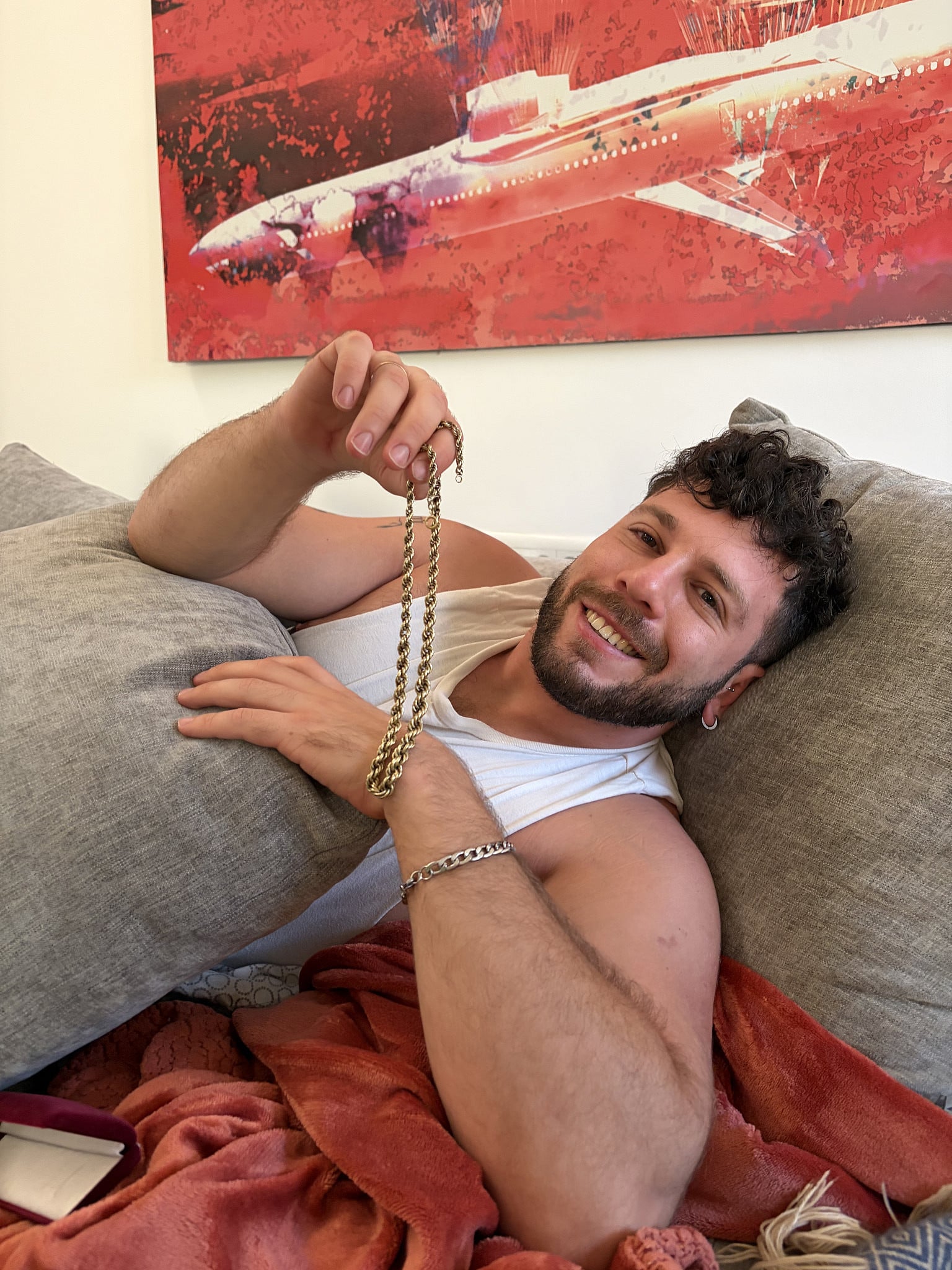
Today, Yoav came to visit from Jerusalem, and I gave him the necklace that Denes Istvan gifted his young wife 80 years earlier in a small town on the Hungarian-Yugoslav border.