I believe in independent, clear, and courageous journalism – especially where injustice is being silenced
The Information Front in the Middle East
How the anti-Israel propaganda machine operates
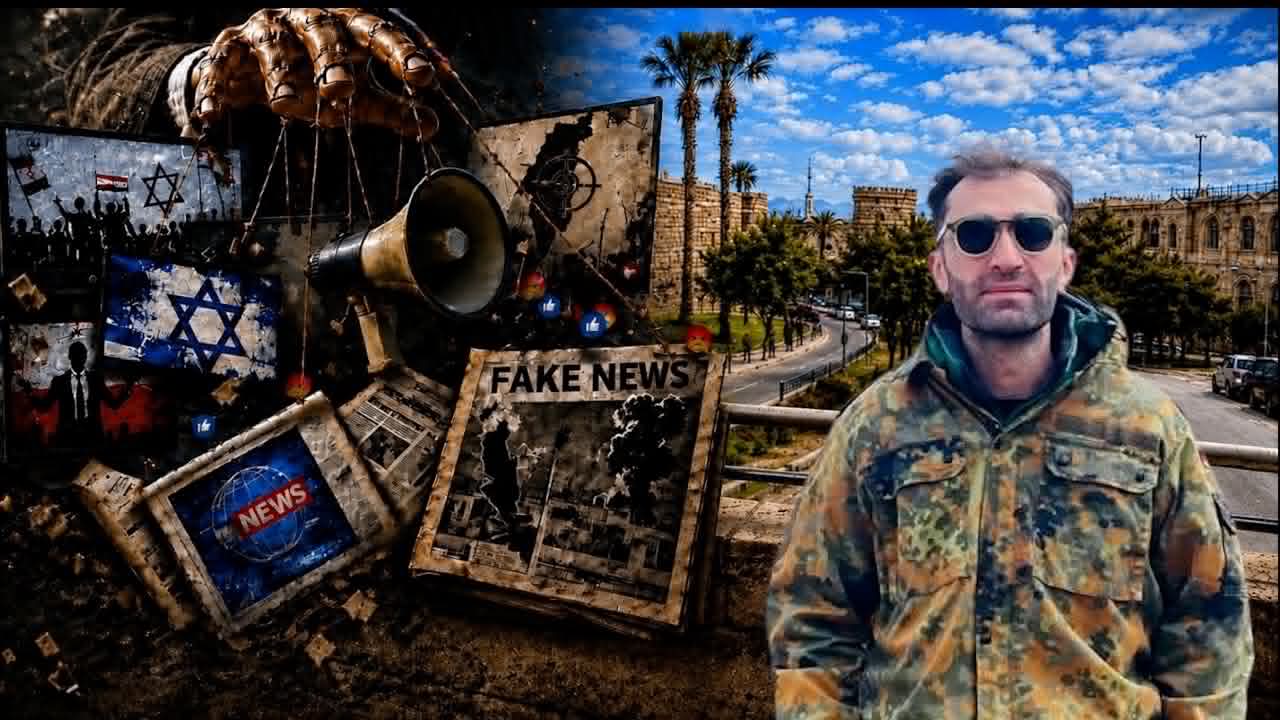
Image edited by Imeda Darsalia and Keti Mikadze
In the era of modern conflicts, the outcome of military confrontation is not decided solely on the battlefield. Alongside the Israel-Hamas war and the broader regional escalation, an unprecedented global information and psychological warfare campaign is underway, characterized by exceptional scale, intensity, and technological sophistication.
The primary objective of this propaganda campaign is the international delegitimization of Israel, its isolation from key partners, and the exertion of intense emotional pressure on public opinion.
Multilayered Actors and Geopolitical Alliances
The anti-Israel information ecosystem consists of several core components:
-
Terrorist Organizations (Hamas, Hezbollah): Employ direct tactics-utilizing Telegram channels, edited video footage, and psychological operations to demoralize the Israel Defense Forces (IDF) and mobilize their own supporters.
-
The Iranian State Apparatus: Functions as the central propaganda hub. Iran operates global botnets, troll farms, and state-backed media networks distributing content across dozens of languages.
-
Authoritarian State Media: Russian and Chinese state-run media platforms actively amplify anti-Israel narratives. Their strategic objective extends beyond undermining Israel-they aim to challenge Western positions, particularly those of the United States and weaken its geopolitical influence in the region.
Tactics: Disinformation, Manipulation, and “Pallywood”
The arsenal of this information war relies on several tested tactics, adapted for the digital age:
-
Manipulation of Visual Context: Videos from past conflicts (such as Syria) are massively circulated across social networks and falsely passed off as IDF operations. This category also includes the “Pallywood” phenomenon, staged injuries and staged scenes performed for cameras to capture Western media attention.
-
Rapid Disinformation Campaigns: A classic example is the Al-Ahli Hospital incident. A misfired rocket launched by Palestinian Islamic Jihad was instantly blamed on Israeli airstrikes by Hamas, a narrative and inflated casualty count immediately picked up and amplified unverified by international media outlets.
-
Instrumentalization of Casualties: Statistics published by Hamas deliberately refrain from differentiating between combatants and civilians, creating immediate emotional leverage over the international community. Ultimately, this criticism frequently steps beyond political debate, devolving into classic antisemitic tropes and conspiracy theories.
Digital Tools and the Role of Algorithms
Modern technologies have exponentially accelerated the speed and scope of propaganda distribution. AI-generated fake imagery and video (Deepfakes) are deployed to heighten emotional responses. Automated bot networks (botnets) artificially boost trending hashtags (e.g., #IDFcrimes) and coordinate mass-reporting campaigns to suspend pro-Israel accounts.
Furthermore, algorithms on platforms like TikTok, Instagram Reels, and YouTube Shorts favor short, emotionally charged visuals. Young audiences receive fragmented content devoid of in-depth analysis or historical context, making public opinion increasingly susceptible to manipulation.
In an era of information warfare where propaganda attempts to supplant factual reality, media literacy, critical evaluation of sources, and rigorous fact-checking remain the primary line of defense for society.
Ground Reality Facing Disinformation
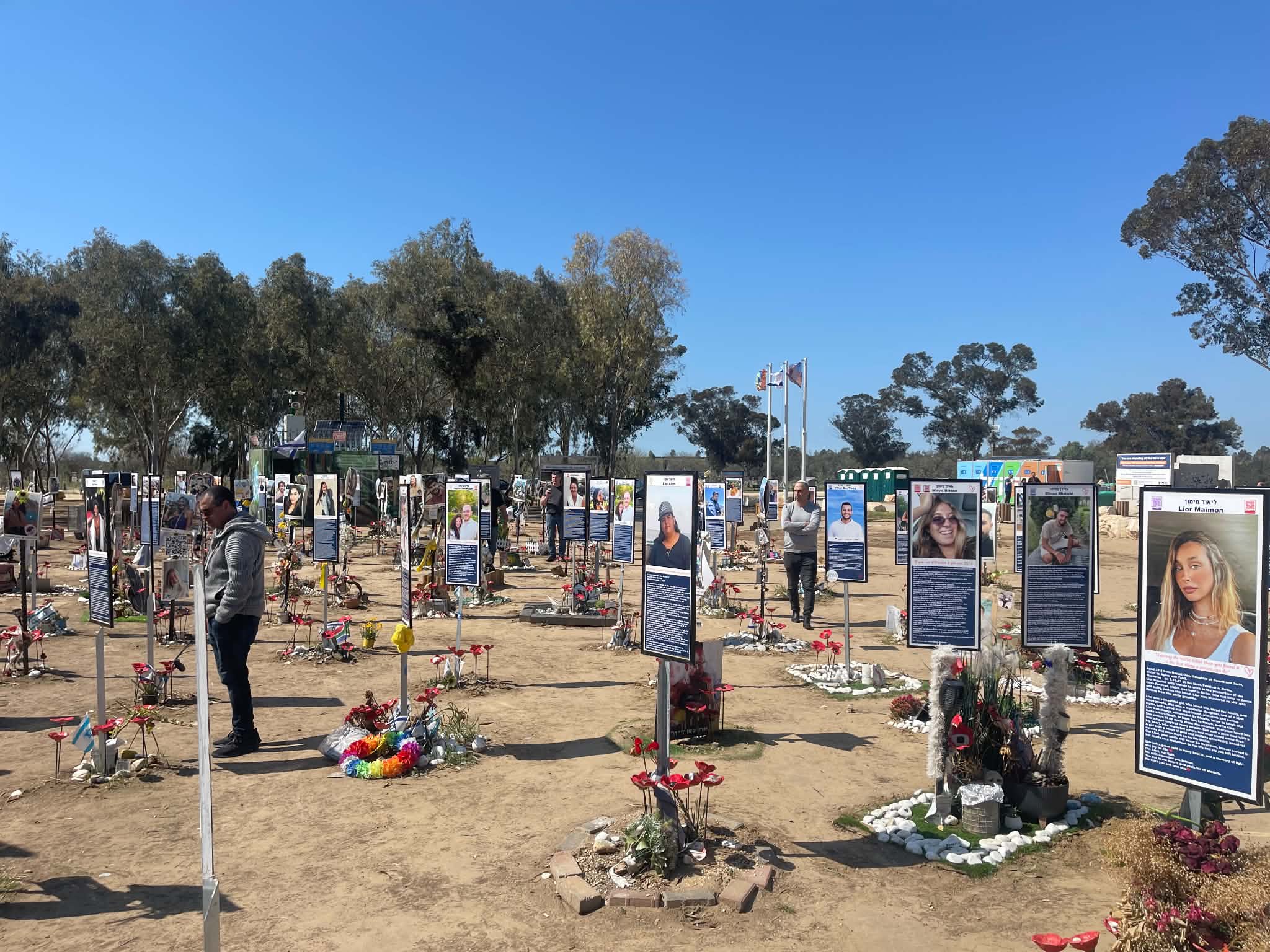
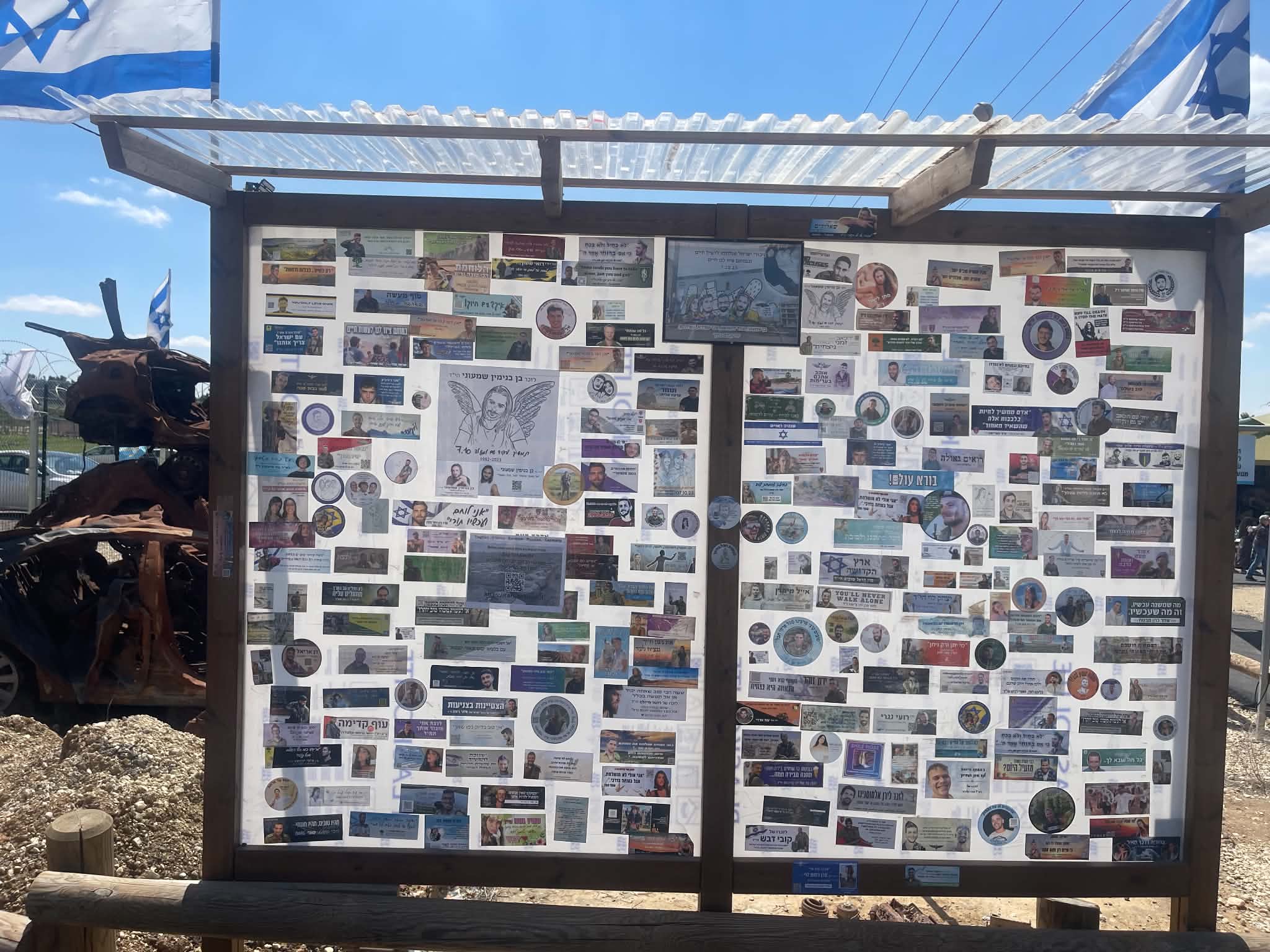
The true scale and absurdity of information warfare become clearest when reporting directly from the frontlines. Standing at the site of the Nova festival massacre, visiting devastated kibbutzim, and meeting with the families of hostages and fallen soldiers present an unquestionable tragedy – one that the propaganda machine actively seeks to question or outright deny in the virtual sphere.
While thousands of bots and coordinated campaigns across social networks attempt to downplay, distort, or blame the victims, field interviews and direct observation remain the only reliable tools to confront this digital deception.
Frontline journalism acquires its true significance right here: serving as an eyewitness to what actually occurred, so that disinformation cannot rewrite history.
Related Topics
Related Posts