
Clear analysis of Israel's politics, security and history
The Iran Talks: Progress or Illusion?
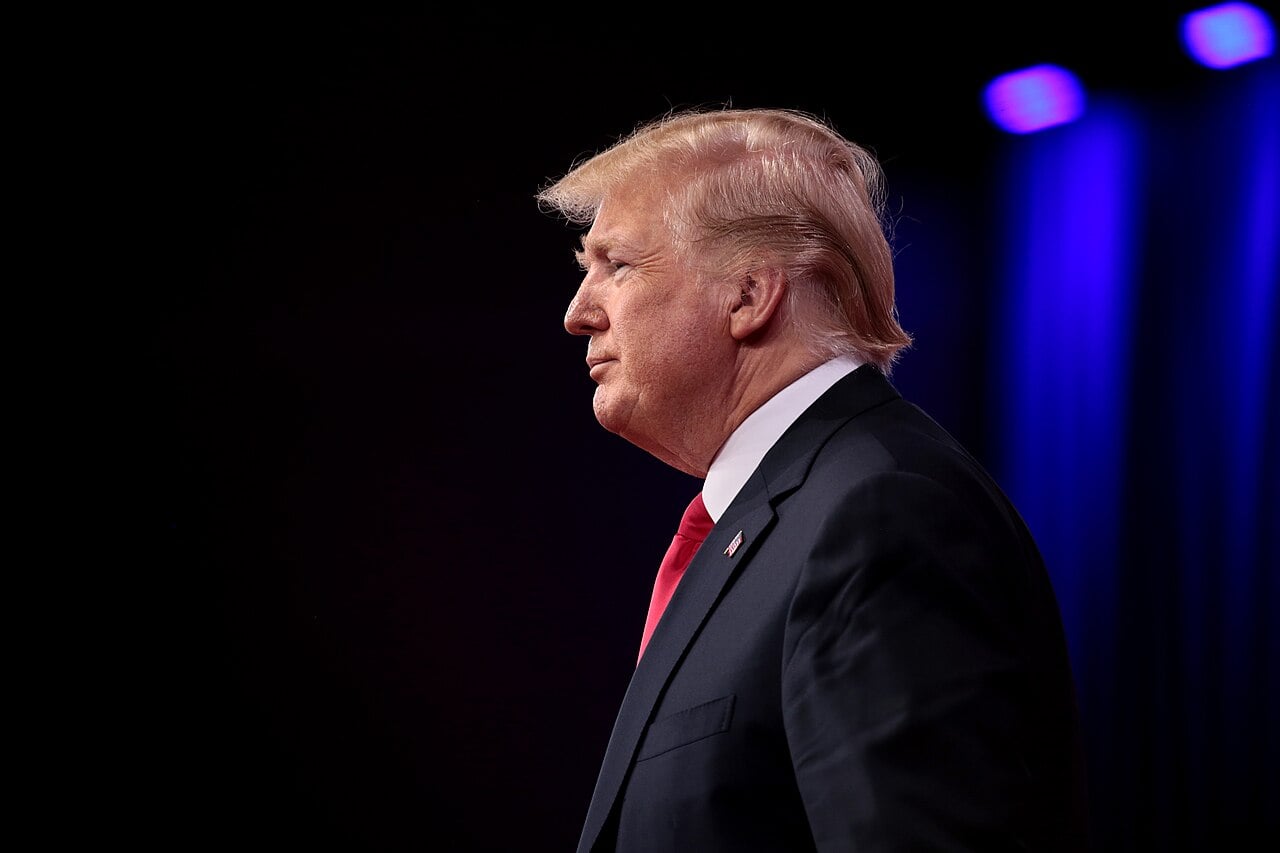
Credit: Gage Skidmore (CC BY-SA 2.0)
Anyone trying to understand the current negotiations between the United States and Iran can be forgiven for feeling confused. One day Donald Trump threatens devastating military action. The next, he suggests a deal may be close. Iran insists it will never surrender its core demands. American officials speak of progress. Deadlines are announced and then extended. Red lines appear to shift. Ultimatums are issued and then softened. Headlines declare a breakthrough, only to be followed days later by renewed threats, fresh demands and warnings of further conflict.
The reality is that very few people truly know what is happening behind closed doors. There are countless factors at play: American domestic politics, global energy markets, international pressure, military considerations, regional alliances and the personal calculations of leaders on all sides.
Yet amid all the noise, there are some important realities that remain remarkably consistent. To understand where these negotiations are heading, we must stop focusing on the daily headlines and start focusing on two things that matter far more: how the Iranian regime approaches negotiations and the objectives that both sides are ultimately trying to achieve.
Understanding Iranian Negotiation Tactics
To understand where the current negotiations may be heading, it is first necessary to understand how the Iranian regime approaches negotiations.
One of the most insightful analyses of this subject was written more than fifteen years ago by Harold Rhode, a former adviser on the Islamic world to the US Department of Defense. Remarkably, much of what he described then appears strikingly familiar today. Rhode argues that the Iranian regime views negotiations differently to how Westerners view them. Negotiations can be used to reduce pressure, gain time, improve leverage, test an opponent’s resolve, and wait for circumstances to become more favorable. The very fact that the US is seeking negotiations is seen by the Iranians as a sign of weakness and a lack of confidence in achieving its objectives militarily. In their eyes, it is therefore the US, not Iran, that must make concessions.
Western negotiators frequently view compromise as a sign of goodwill and a step towards building trust. Iranian negotiators interpret concessions very differently. A concession made before an agreement is reached is seen as evidence of weakness, a lack of confidence, or desperation. From this perspective, the negotiation itself becomes a test of the other side’s willingness to bend. When the US makes concessions, it emboldens Iran and encourages additional demands.
Another characteristic of Iranian negotiation tactics which remains clearly visible today is the calm and measured tone adopted by its negotiators. Western policymakers often interpret this as evidence that a compromise may be within reach and that further negotiations could eventually produce a deal. Yet being calm and reasonable should not be confused with being willing to compromise. The appearance of reasonableness can create the impression that a deal is within reach, even when neither side has moved from its core demands.
Another important factor is patience. While American administrations operate within election cycles and political deadlines, the Iranian regime consistently demonstrates a willingness to think in far longer timeframes. Delay is a negotiating strategy in its own right. Every week spent talking is another week without additional military pressure, and another week closer to political and other constraints facing Trump. The Iranian objective is not to conclude negotiations quickly. It is to outlast the political pressures facing their opponents.
US Objectives: Original vs Current
The White House initially insisted that there were four clear objectives: destroy Iran’s ballistic missile arsenal and production capability, annihilate Iran’s navy, sever the regime’s ability to arm, fund and direct terrorist proxy organisations, and ensure that Iran never acquires a nuclear weapon.
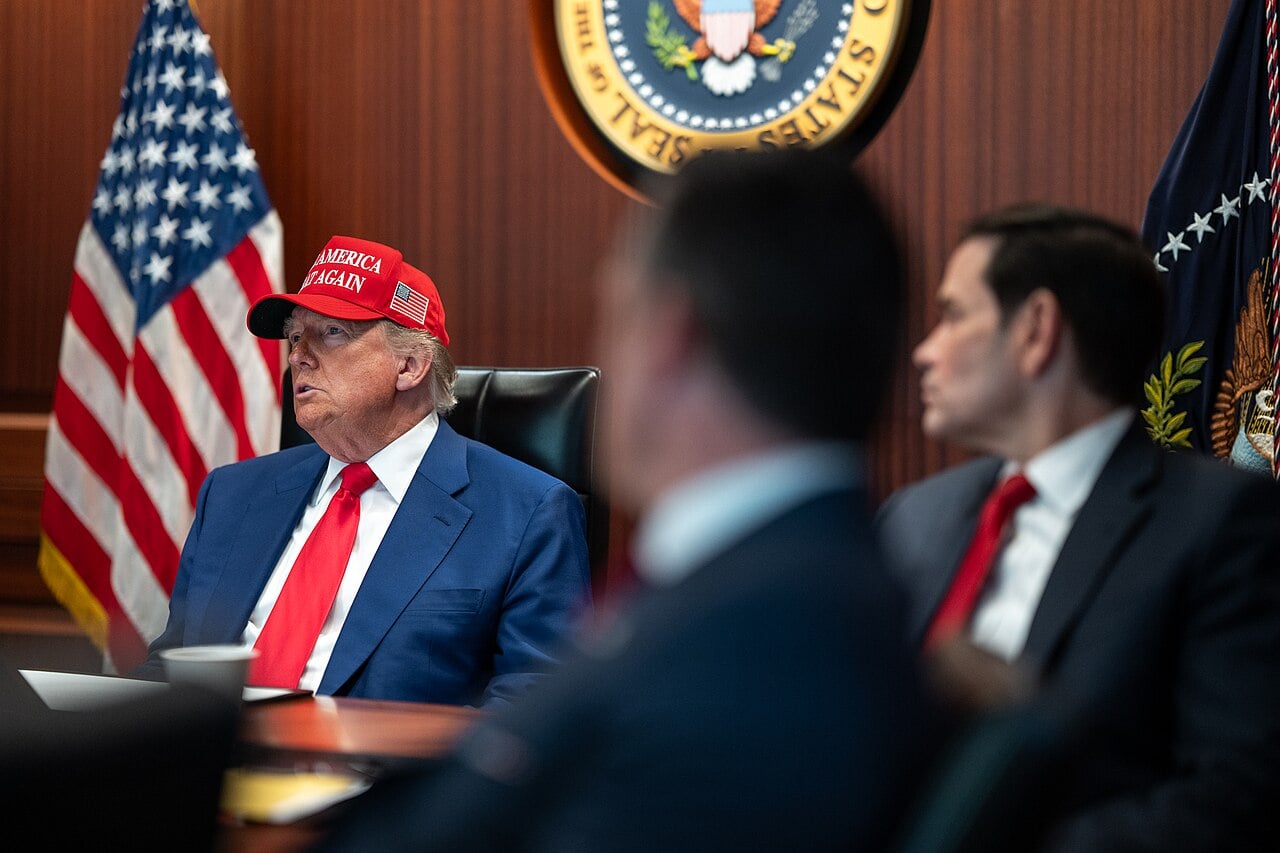
Today, it is difficult to avoid the impression that some of these objectives have been quietly downgraded. The focus has increasingly shifted towards uranium enrichment and the removal of highly-enriched uranium, while discussion of Iran’s ballistic missile programme has largely faded into the background. As for the proxies, rather than forcing a separation between Iran and the organisations it arms, funds and directs, Iran has to some extent succeeded in bringing Hezbollah and Lebanon into the wider negotiating equation. This concession results in the exact opposite of one of America’s stated war objectives.
Then there is the question of regime change. Trump and Israel’s critics frequently claim that regime change was one of the war’s failed objectives. Leaving aside the fact that it is still far too early to judge, it was never an official American war aim. Even in Israel, the stated objective was to create conditions that could eventually lead to regime change, not to guarantee it. Netanyahu repeatedly stated that only the Iranian people could ultimately bring down the regime.
The claim that Israel or the Mossad misled Trump into believing regime change would happen quickly is false. Netanyahu consistently spoke about creating conditions for change, not guaranteeing a specific outcome or timeline. It’s also important to mention that plans involving Kurdish and other minority groups inside Iran were never fully implemented. One cannot fairly assess the effectiveness of a strategy that was never fully executed.
What Happens Next?
To understand what happens next, we need to strip away the daily headlines and focus on the bottom lines. Trump’s position has remained remarkably consistent on the core nuclear issue: no Iranian nuclear weapon, no uranium enrichment, and the removal or destruction of Iran’s highly-enriched uranium stockpile. Iran’s position has also remained largely unchanged: retain the right to enrich uranium, maintain control of its nuclear infrastructure, and keep possession of the enriched uranium it already holds.
There are, of course, other issues. The Strait of Hormuz is frequently discussed, and understandably so given its importance to global trade and energy markets. Yet despite all the attention it receives, it is not the issue preventing a deal. Iran would likely compromise on Hormuz but still refuse to give up enrichment.
There is no obvious middle ground between the two sides’ stated positions. One side will eventually have to abandon demands it has repeatedly described as non-negotiable. Iran has shown no indication that it is prepared to surrender what it views as sovereign rights and strategic assets, and Trump’s ego is unlikely to allow him to accept an outcome that leaves him looking like a loser.
The question then becomes, who is under greater pressure? Iran has already suffered huge losses to its military capabilities. The US blockade on Iranian shipping through the Strait of Hormuz is now inflicting enormous damage on its economy as well. For Trump, while he might deny it, the pressure is increasing every day due to domestic politics, energy markets, international pressure and a desire to avoid another prolonged conflict. His critics have said the war was in vain to start with, while his supporters are increasingly frustrated with the lack of return to kinetic action. Both sides appear convinced that the other will blink first.
Despite the constant talk of an imminent breakthrough, another round of confrontation appears considerably more likely than a comprehensive settlement.
The Real Problem
It is time to face reality, however uncomfortable that may be for some. The constant use of the word “peace” in relation to the Iranian regime is detached from reality. This is a regime that has spent decades funding and arming proxy organizations across the Middle East, threatening its neighbors, openly calling for the destruction of Israel, and murdering tens of thousands of its own population.
This is why so many Israelis remain deeply skeptical of any agreement reached with Tehran. They understand the enemy. Even if a deal is signed tomorrow, there is no guarantee it will survive future administrations, future crises, or future changes in the balance of power. More importantly, the nuclear issue is only one part of the problem. The war itself demonstrated the damage Iran can inflict without a nuclear weapon through ballistic missiles, drones, proxy organizations, and threats to global trade and energy infrastructure.
The fundamental problem is not simply whether Iran acquires a nuclear weapon. That part is obvious. It is the regime itself. As long as the same regime remains in power, pursuing the same objectives, the threat will remain. The fear of not knowing what replaces the regime is understandable. The assumption that preserving the status quo is therefore the safer option is not.
Netanyahu’s stated goal of creating conditions for regime change is the only realistic long-term solution. Whether that takes months or even years is impossible to know. The economic pressure currently being applied to Iran may eventually achieve that outcome if sustained long enough. Yet the political reality is that Trump does not have unlimited time. Further military action is unavoidable. The only questions are how soon it will happen, and whether Israel will ultimately be left to do it alone.
The Iranian regime is the weakest it has ever been. Time to finish the job.
Related Topics
Related Posts