Photographer & Tour Guide
The Jewish Connection
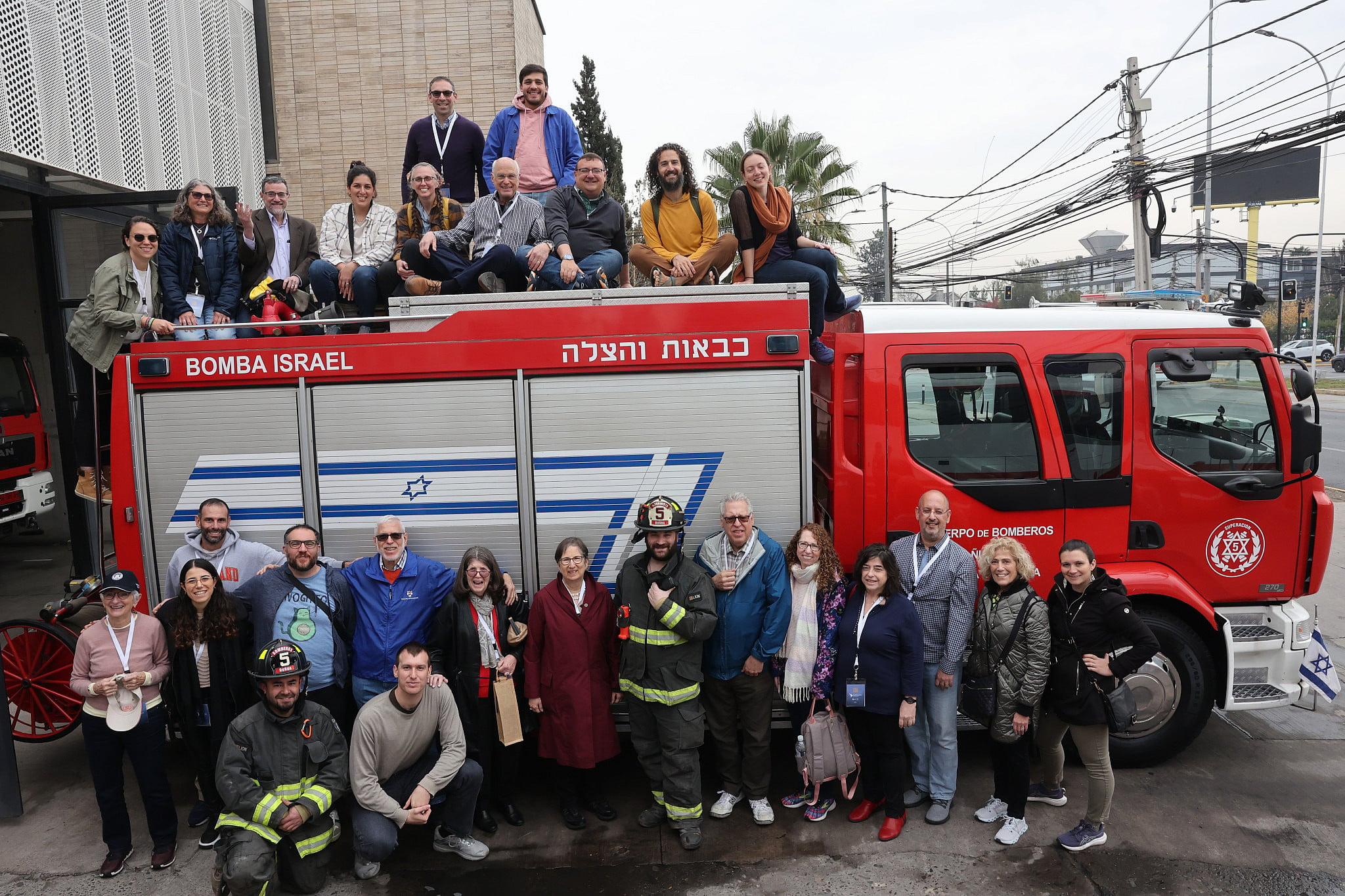
Visiting the Bomba Israel firefighting unit of Jewish volunteers in Santiago de Chile.
It is exciting and passionate to be part of a people that takes an interest in the lives of their kindred in different corners of the world, with a thirst to know how they live, what aspirations and projects they have, practicing prayer together, and enjoying the mutual encounter.
Makor Educational Journeys, a division of IGT Israel & Global Travel, specializes in trips to Israel and the Jewish world, providing a high standard of programming and service down to the smallest detail.
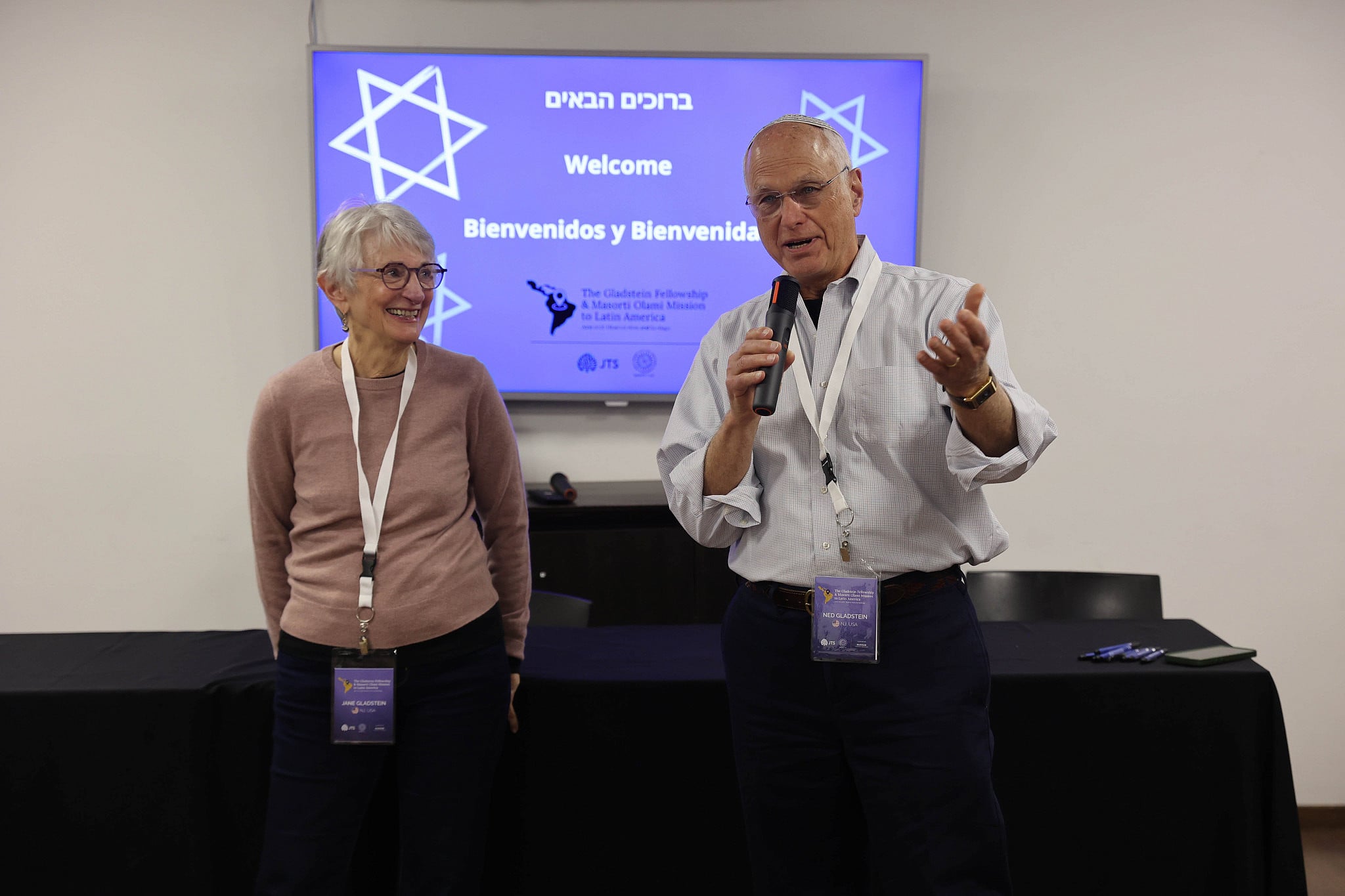
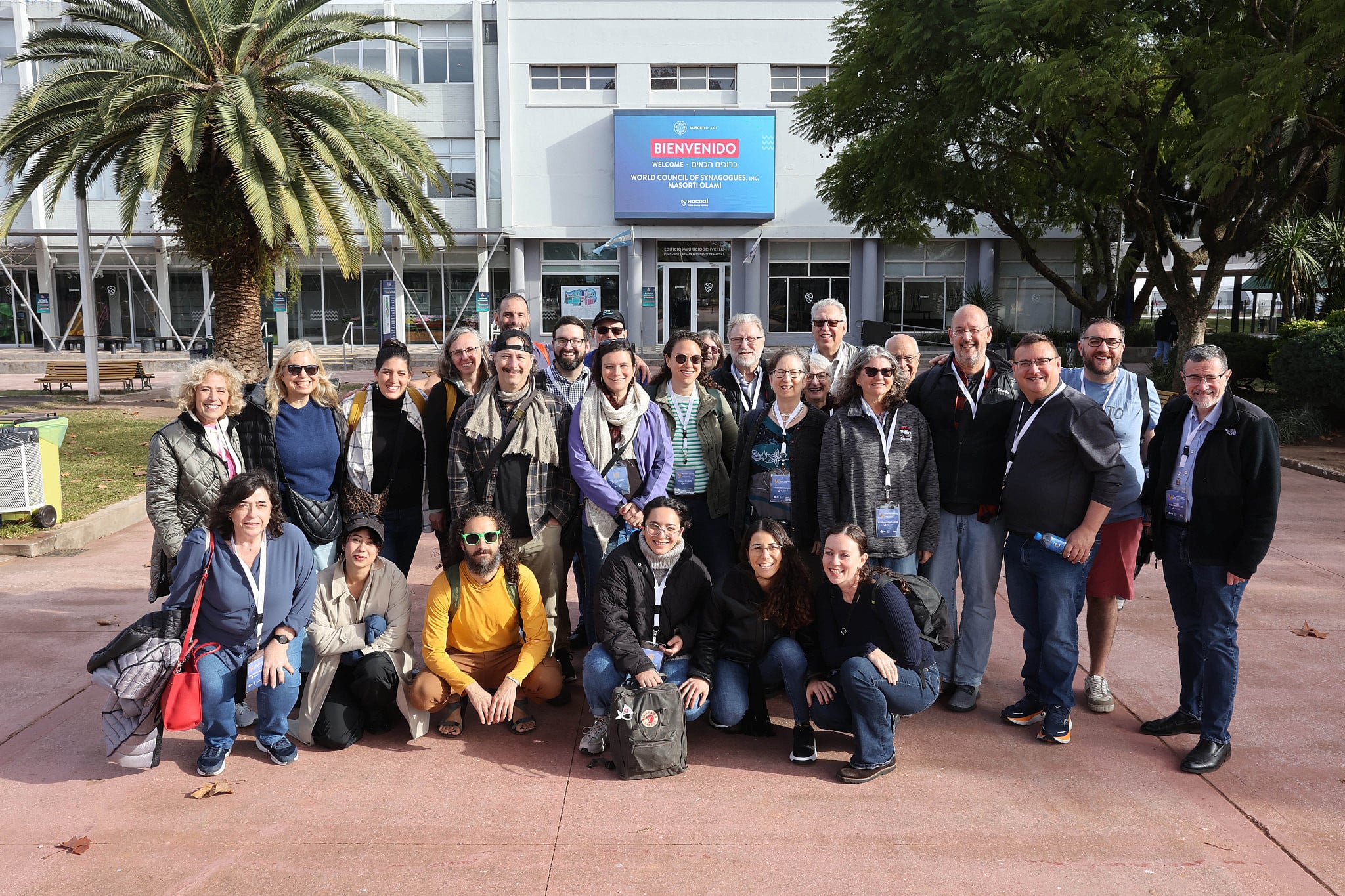
I had the privilege this month of being asked to accompany the “Gladstein Fellowship & Masorti Olami Mission to Latin America” to Argentina and Chile. The vision and generosity of Jane and Ned Gladstein, together with the longtime partnership of Masorti Olami made this trip possible by establishing projects that bring together leaders and rabbis of the Masorti-Conservative Movement around the world.
When such a group travels together, it requires unique needs, such as reserving a room in the hotel to pray Shacharit, a place to gather for Havdalah when Shabbat ends, etc.
The trip began in Buenos Aires, the capital of Argentina, the country with the largest Jewish community in Latin America and one of the largest in the world, where more than 200,000 Jews live, and which features a very vibrant and active Conservative Judaism community.
Apart from study activities and exchange of ideas, the tourism part also had its own special angle (as many things do in Jewish life), especially commemoration and remembrance.
The Jewish community in Argentina and Israel suffered two terrible terrorist attacks, both planned by Iran and executed by the Lebanese Shiite terrorist group Hezbollah.
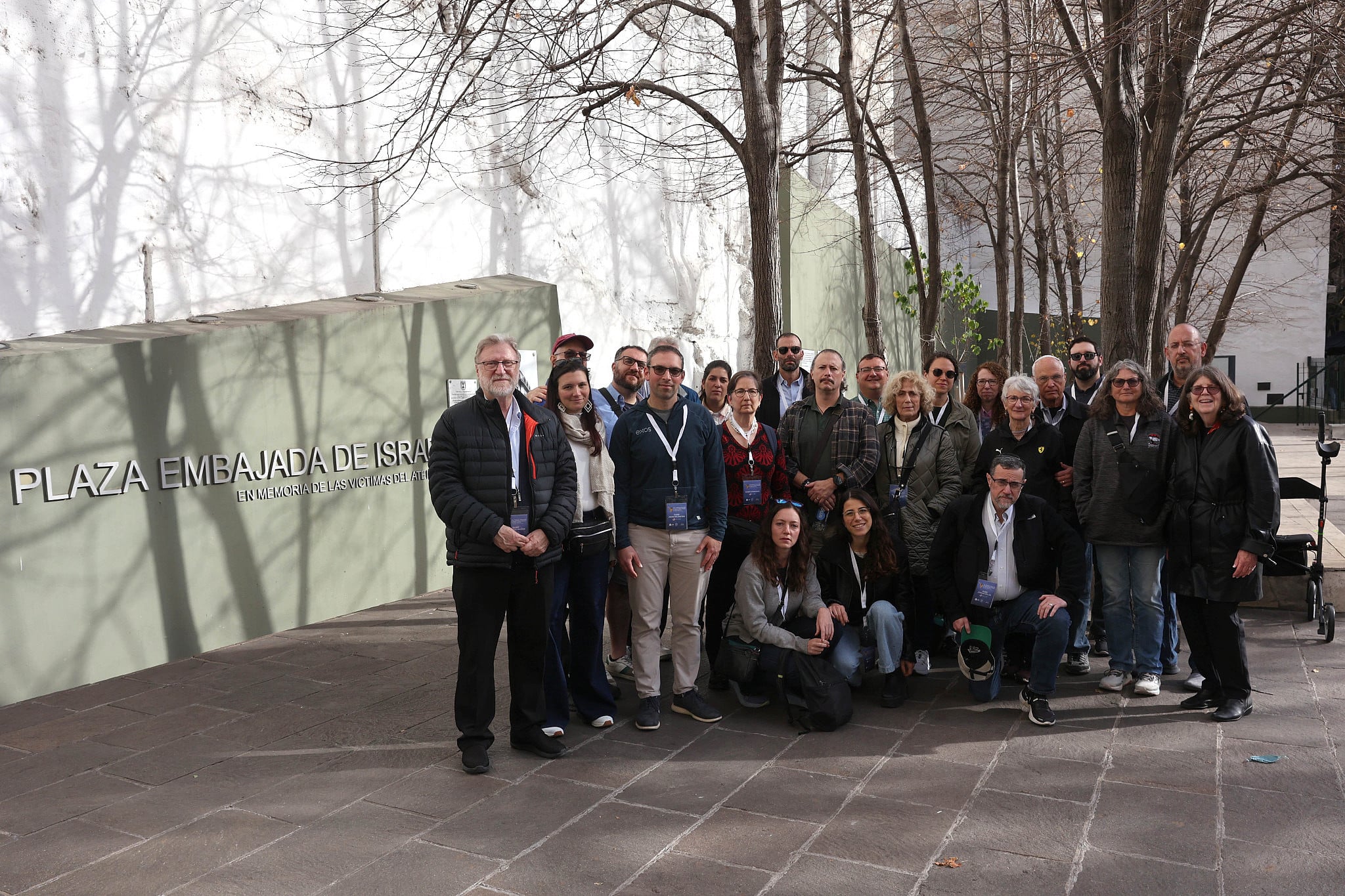
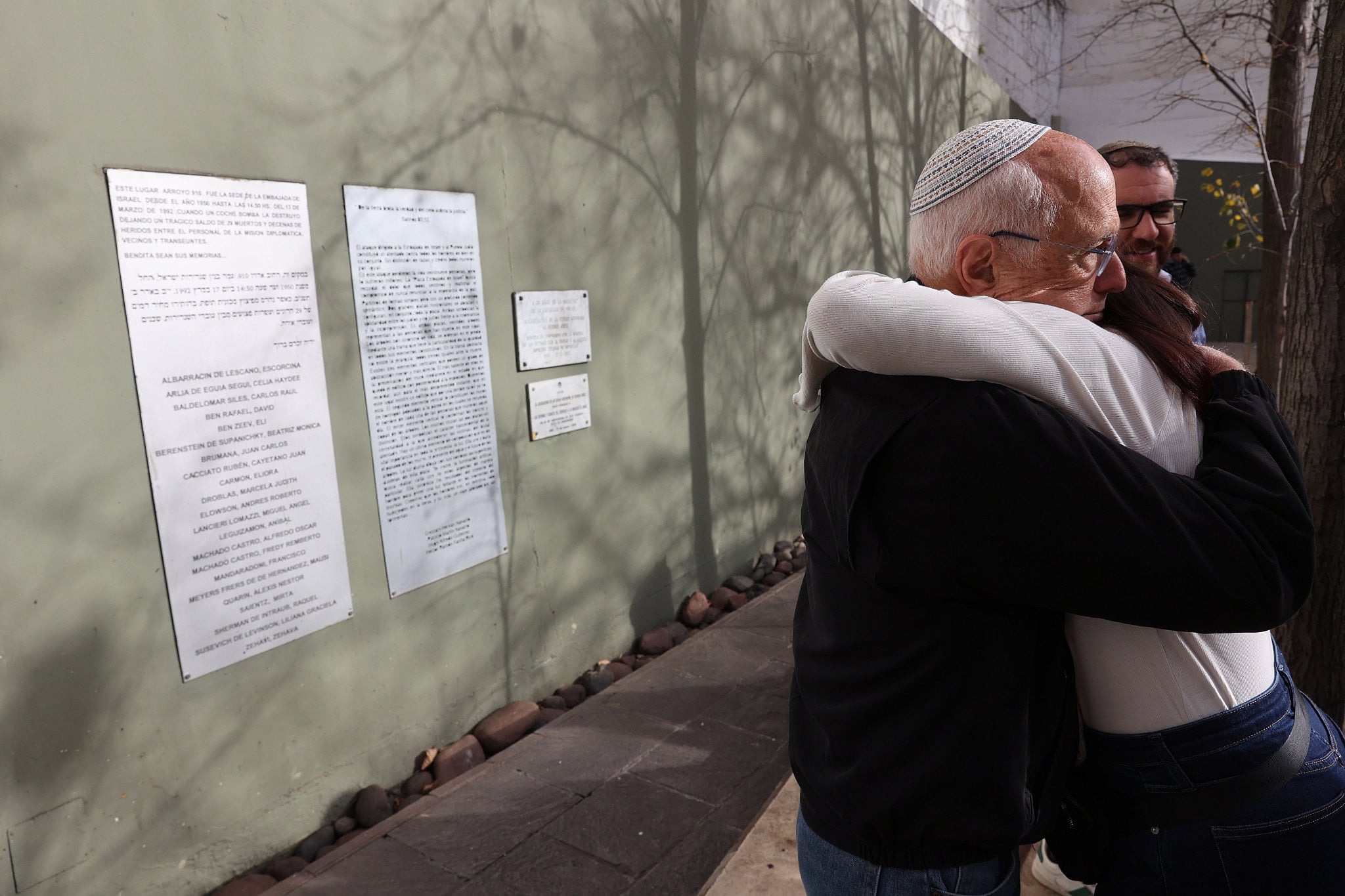
On March 17, 1992, a vehicle loaded with explosives exploded at the entrance of the Israeli Embassy on 910 Arroyo Street in Buenos Aires, killing 29 people and injuring 242. Among the dead were four Israelis and the rest were Argentine civilians, including local embassy staff, passersby, and Father Juan Carlos Brumana of the Catholic Church, located opposite the Israeli diplomatic headquarters.
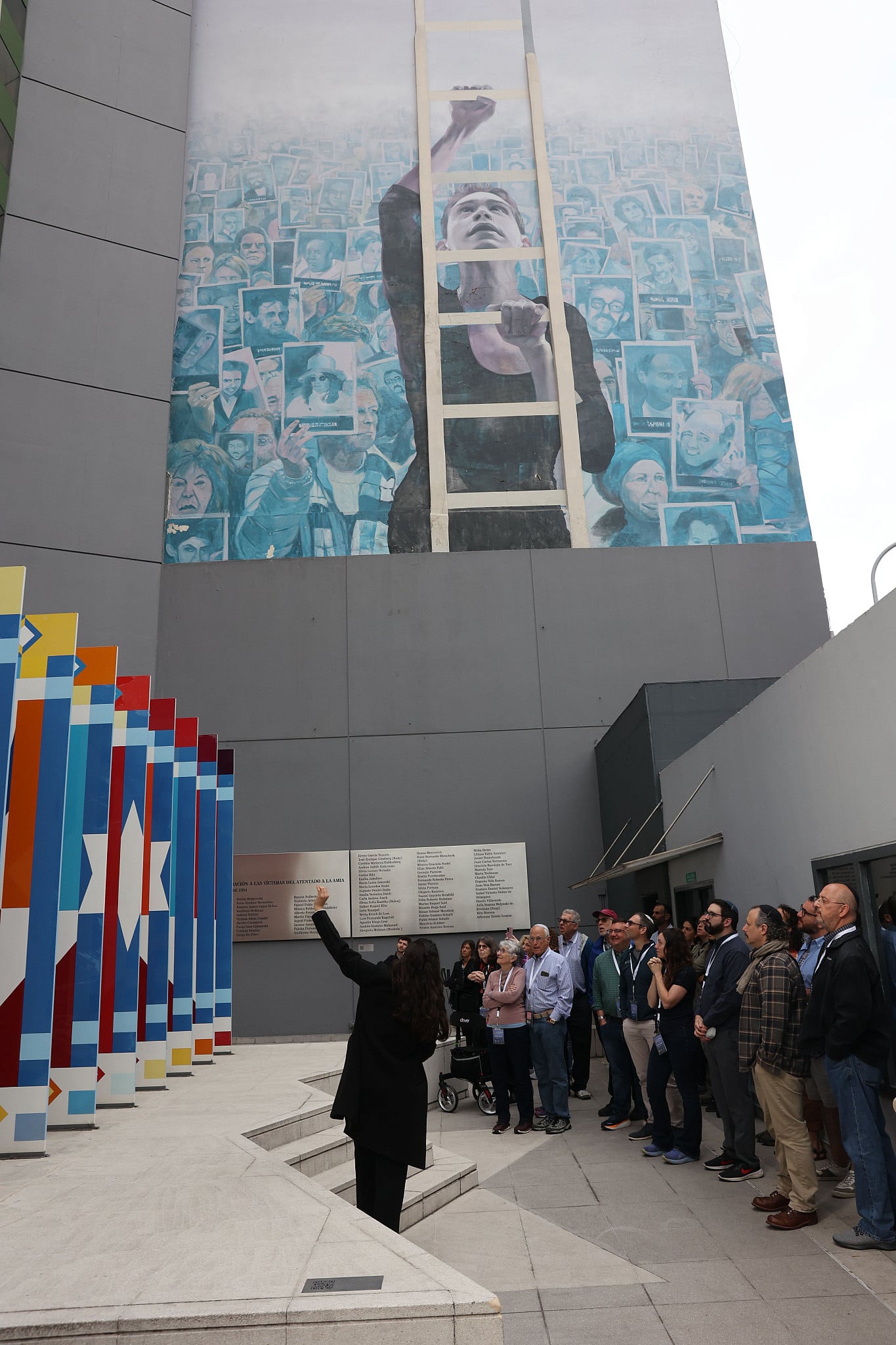
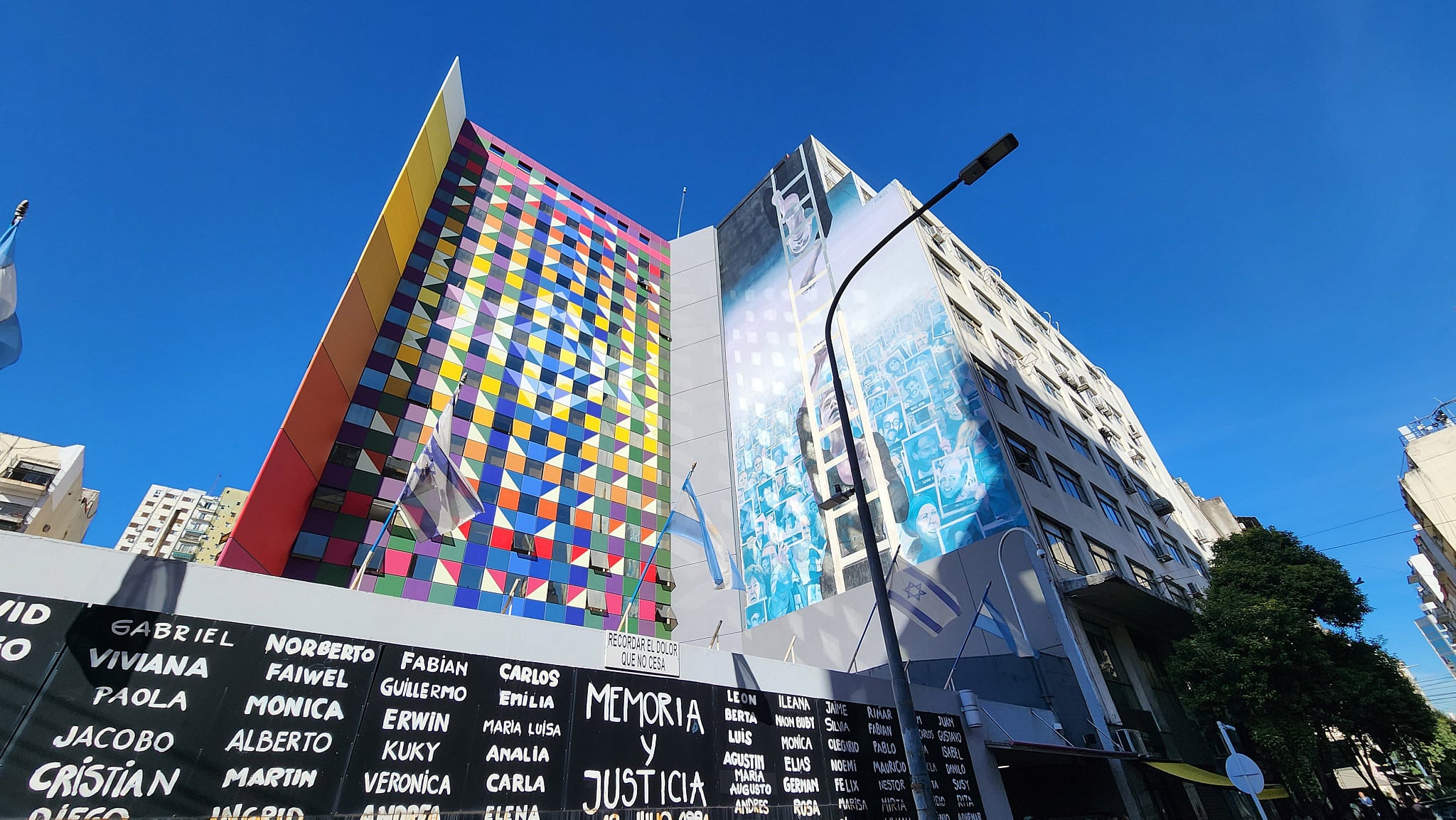
Two years later, on July 18, 1994, a van loaded with almost 300 kg (600 lbs) of explosives exploded at the entrance of the AMIA (Argentine Israelite Mutual Association) building, killing 85 people and injuring 300–the largest terrorist attack in the history of Argentina.
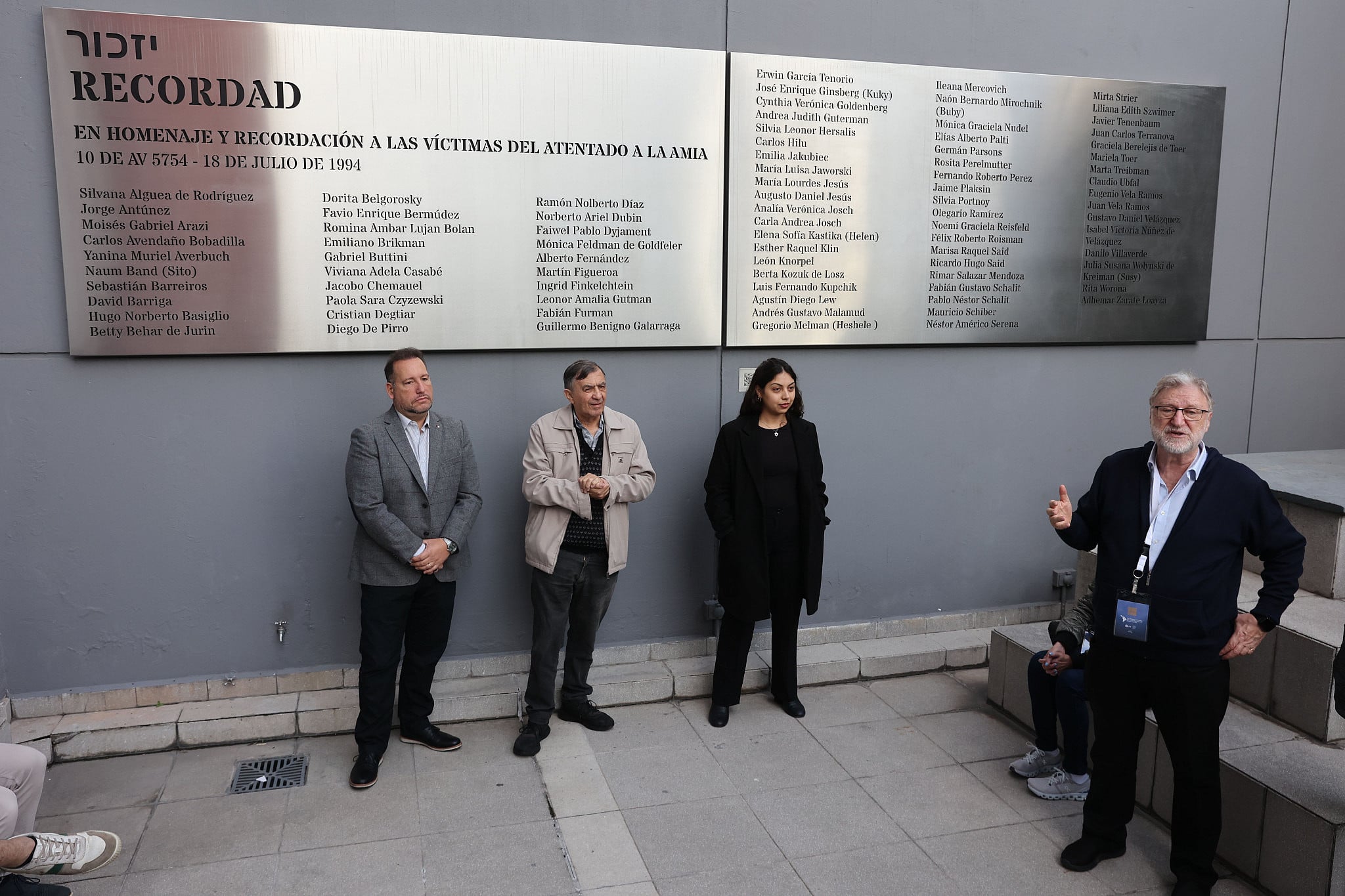
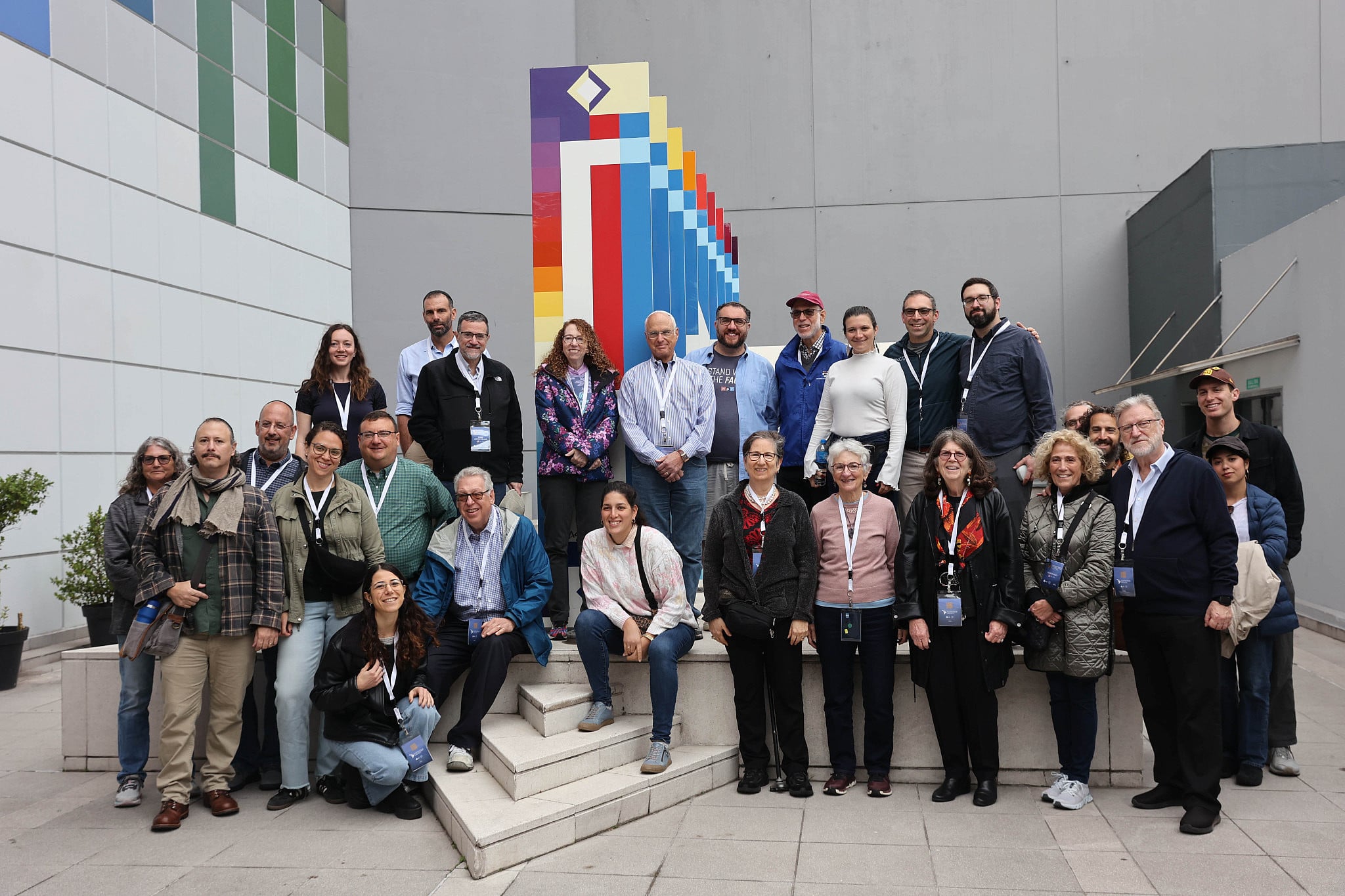
We visited both sites. First, the AMIA building, where one feels the high security requirements to enter. On its facade, the flags of Argentina and Israel fly alongside the names of the victims and text that reads “Remember the pain that does not cease,” crying out for “Memory and Justice.”
The visit included accounts of the history and life of the Argentine Jewish community by AMIA guide Erika Rijter, and a meeting with the institution’s current leaders.
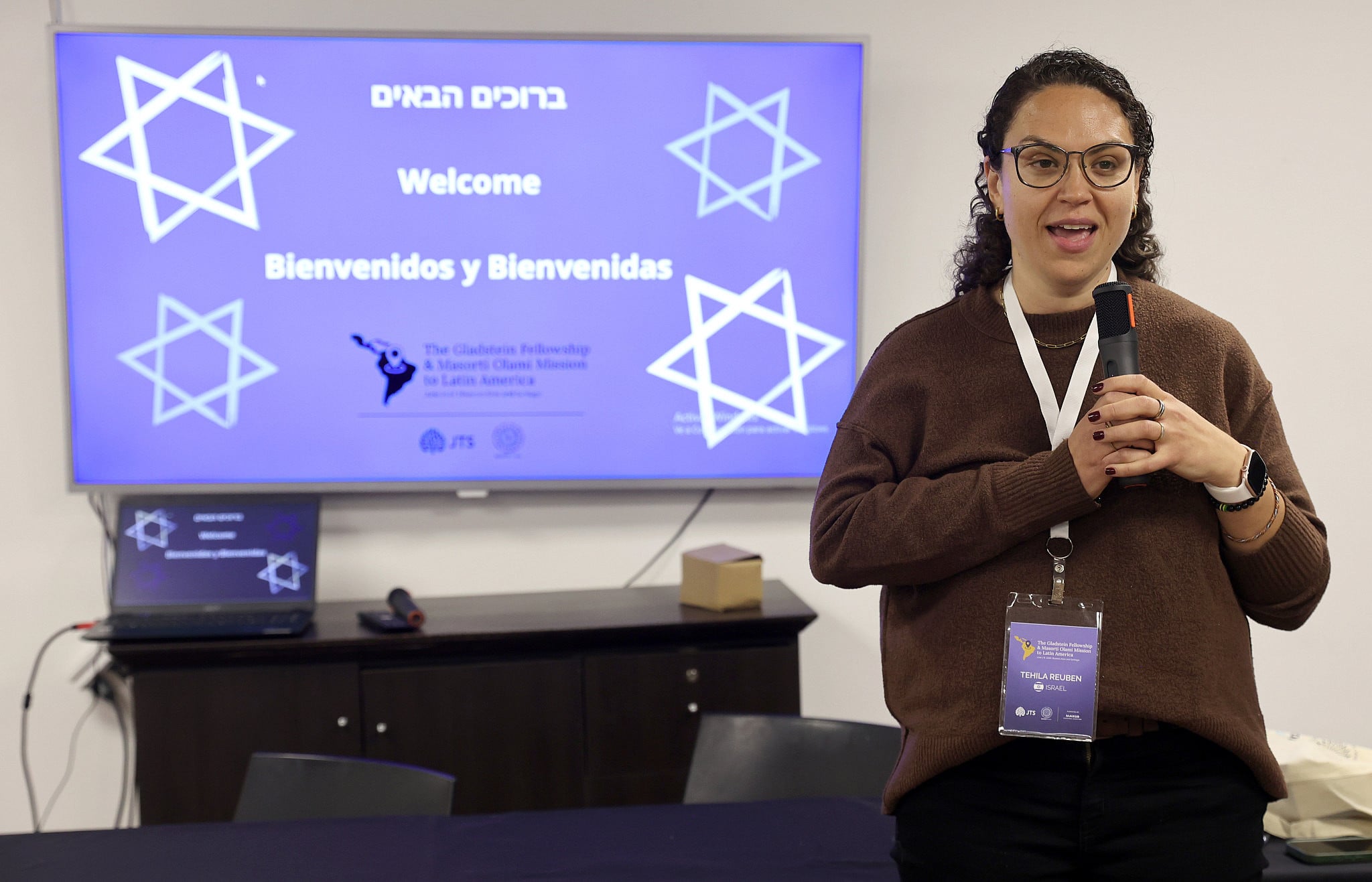
It carried a special meaning that alongside the group leader Tehila Reuben, Vice Director of Masorti Olami and Merkaz Olami, was Rabbi Mauricio Balter, Executive Director of Masorti Olami and Merkaz Olami. In 1994, while serving as the rabbi of the Or Jadash community and director of the Masorti movement in Argentina, he played the vital and difficult role of coordinator for the assistance services to the victims’ families. Along with a team of rabbis, he accompanied families to identify remains and, together with two other people, had to deliver the news to the families.
After that we went to the the Plaza Embajada de Israel (Embassy of Israel Square), established as a monument on the site where the embassy used to stand. The recitation of the Kaddish prayer and the grief of the group, along with the explanations from the guide Ariana Kaplun, marked a different kind of visit to a place that symbolizes a tragedy of such immense pain.
We visited the Lamrot Hakol Masorti community and Casa Malka, a young adult initiative of the Amijai Community, where they told us about the history of the Jewish community, and the Hacoaj sports club with its beautiful facilities.
Additionally, we visited Plaza de Mayo, Casa Rosada (the seat of the Argentinian President), and the La Boca neighborhood. At the conclusion of the visit we flew to Santiago, Chile.
A human anecdote that I loved was the beautiful attitude of a Latam airline flight attendant named Javiera. When I approached her to express my gratitude for the excellent flight and her kind attention, she replied with a humility and camaraderie worth noting: “we are all like that,” and she was right.
The Jewish community of Chile is much smaller than its Argentine neighbor, counting a total of about 25,000 Jews, 16,000 of whom live in the capital, Santiago de Chile.
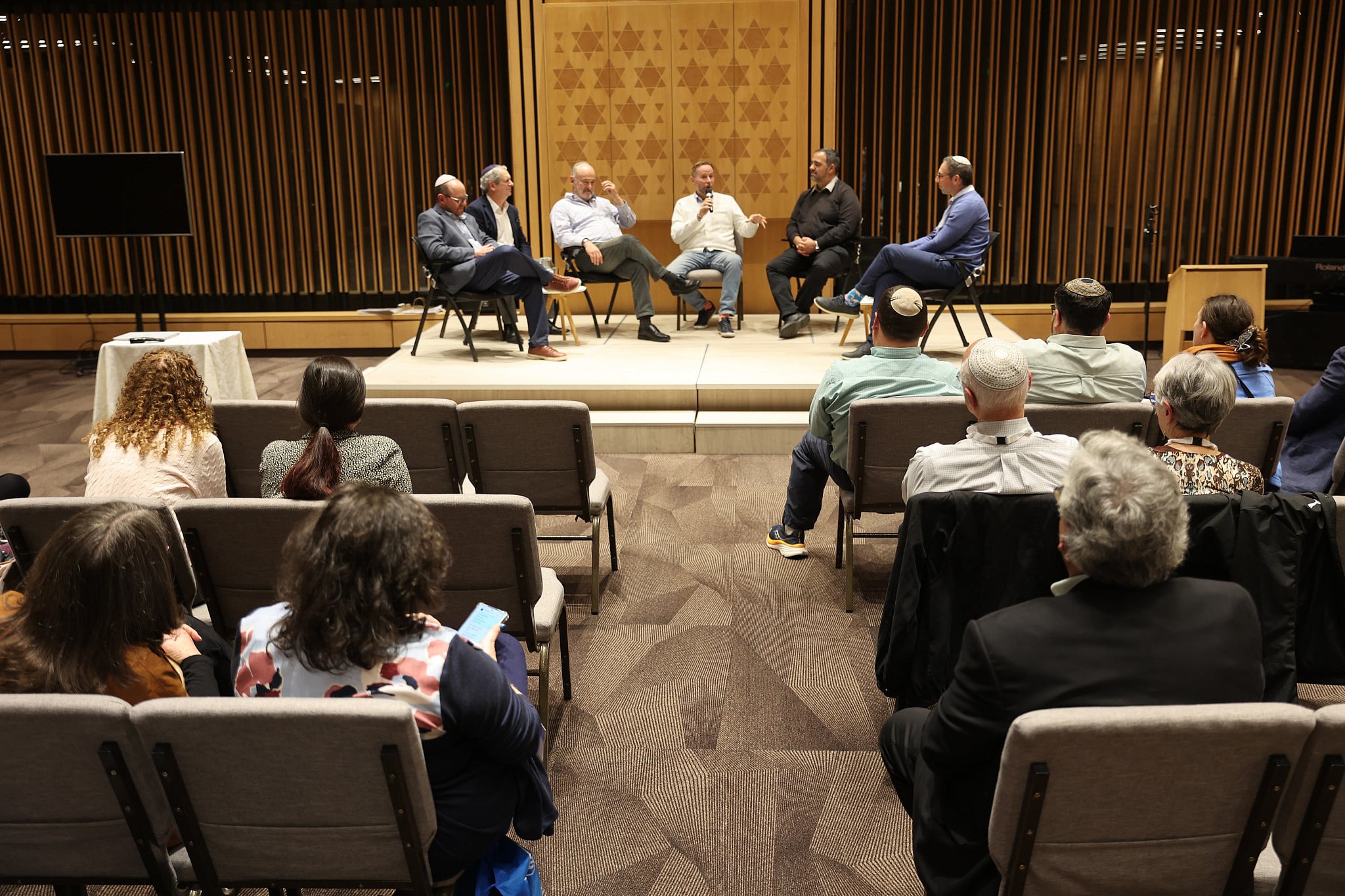
We began by visiting the NBI (Nueva Bnei Israel) community of the Masorti Conservative Movement, holding a meeting with rabbis and community leaders.
The next day, we visited “Bomba Israel,” a volunteer Jewish firefighting unit composed by members of the Jewish community who are proud of representing the Jewish people and the State of Israel. Later, just in time to welcome Shabbat, we went to the Círculo Israelita de Santiago, where the energy of its activities and the grandeur of its facilities and synagogue make you forget the actual size of the Jewish population in the country.
In the beautiful synagogue, we joined the hundreds of community members who attend regularly.
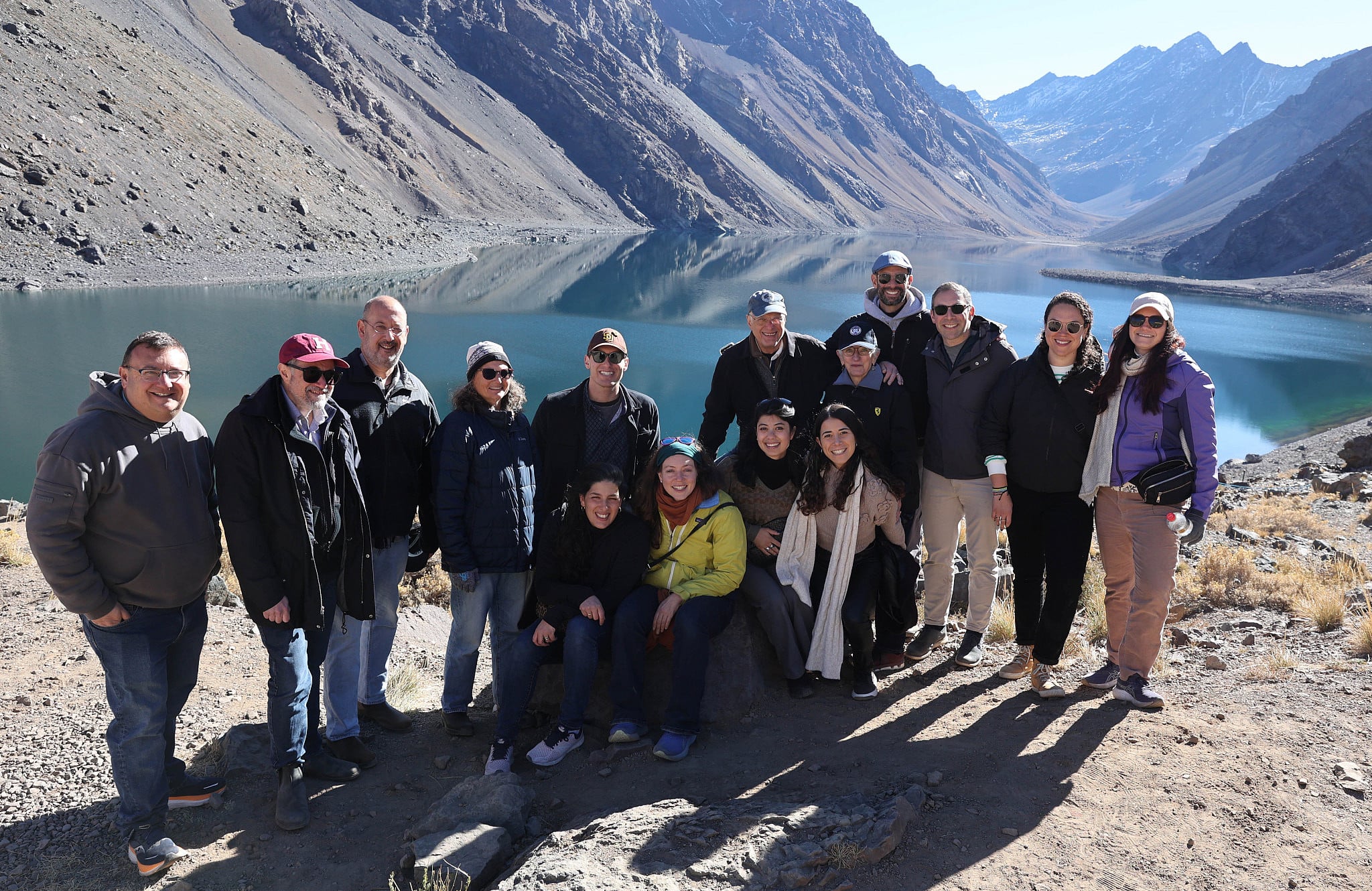
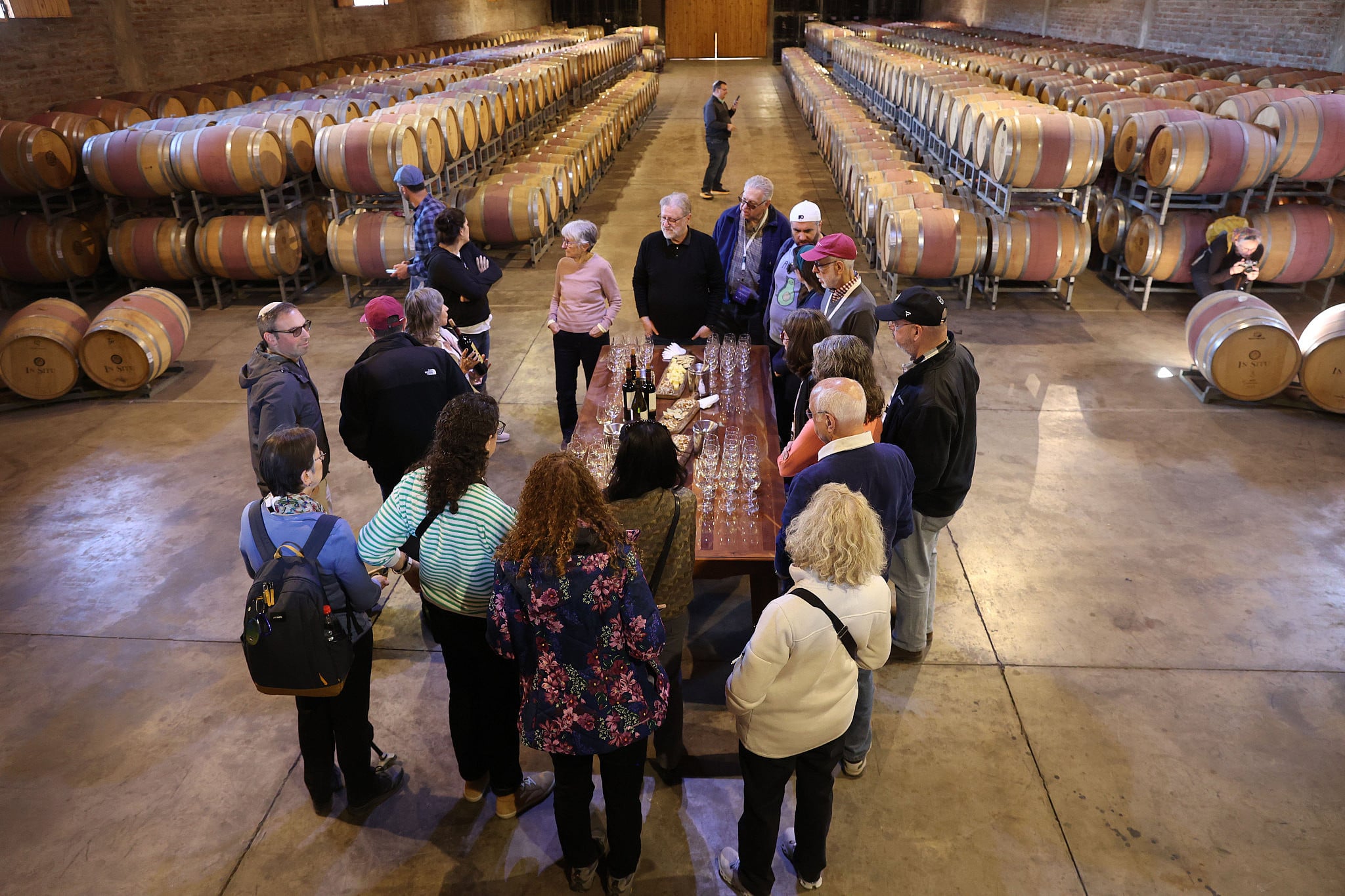
We concluded the visit to Chile with a stroll by the Inca Lagoon (Laguna del Inca) with views of the Aconcagua, the tallest mountain on the continent, followed by a lunch at the beautiful San Esteban vineyard and winery.
As the program came to its conclusion, I thought about how special it had been. We may be members of a people small in numbers, but we are united by a common bond. The emotions shared when Jews from diverse countries meet other Jews who live thousands of kilometers away and speak different languages, are intense, reminding us that above all, we are one people.
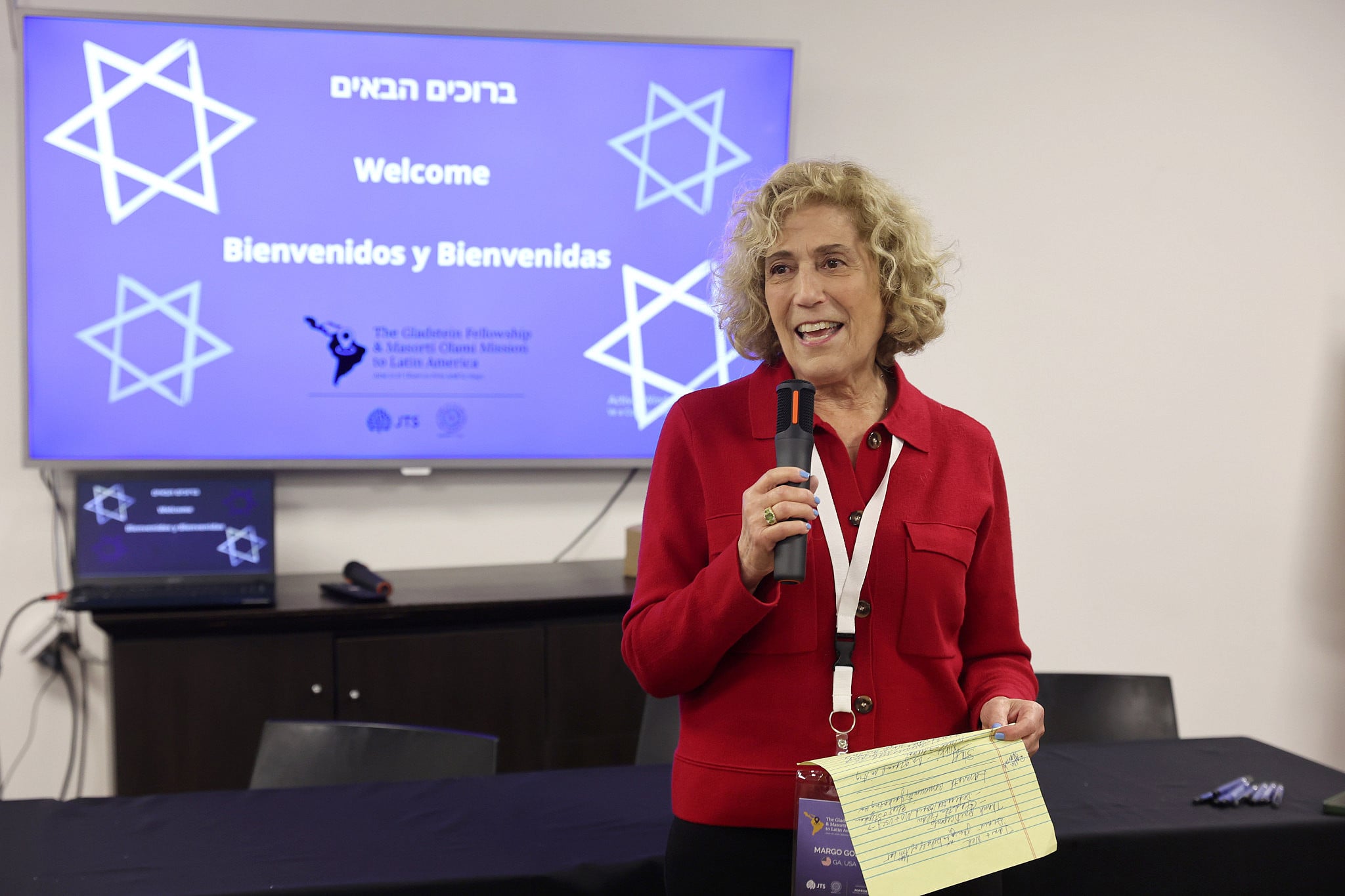
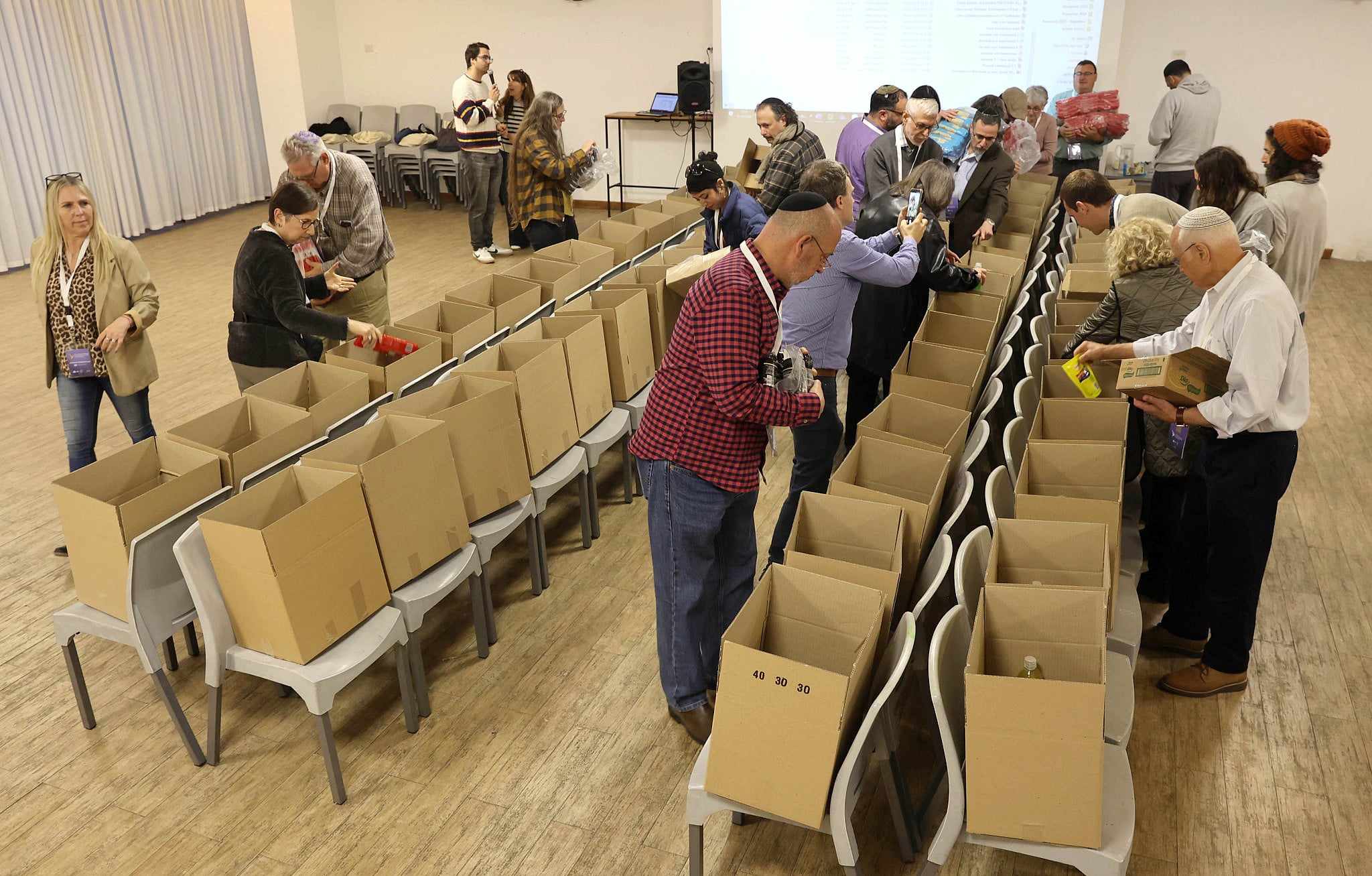
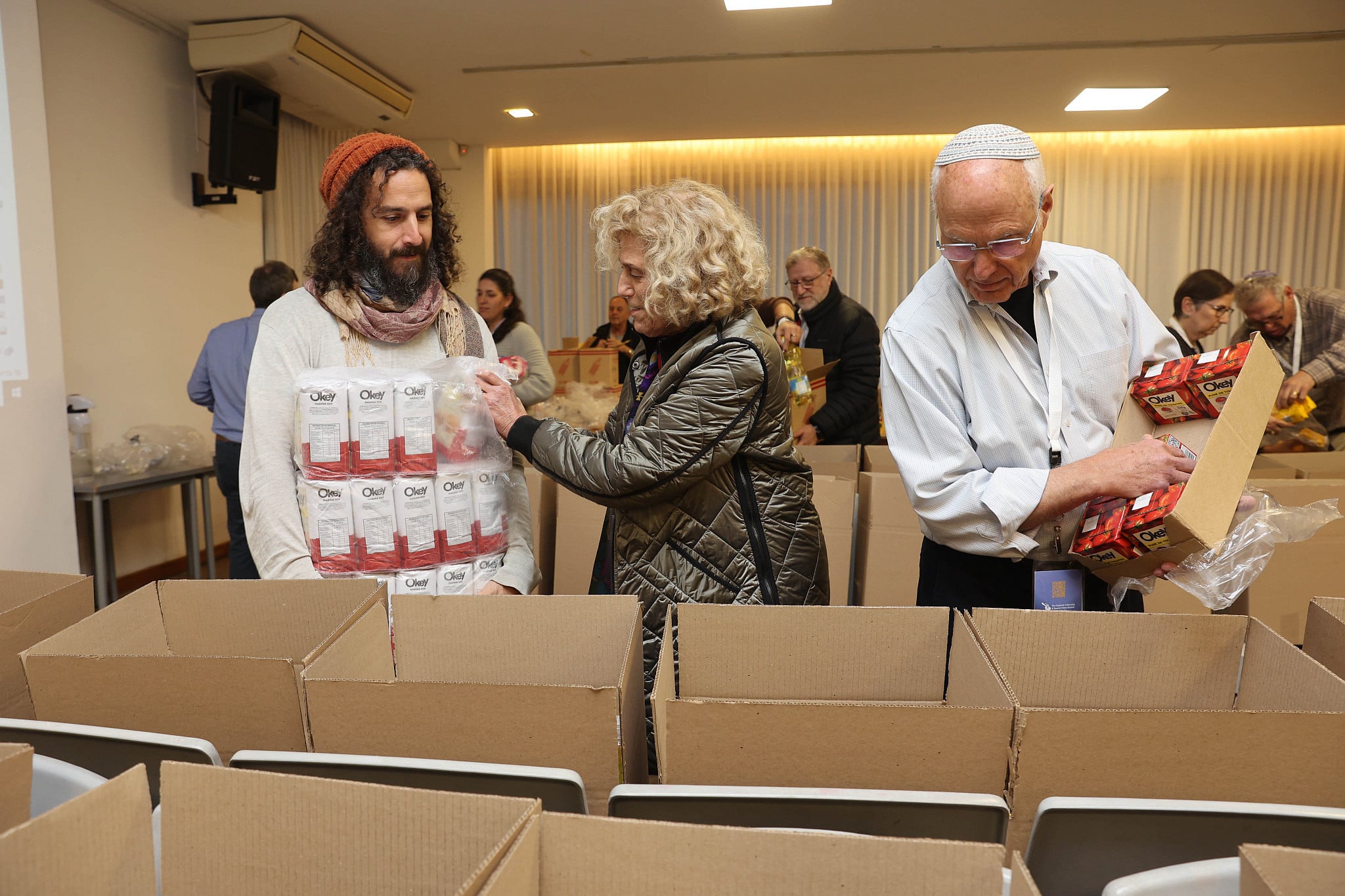
Left to right: Rabbi Rami Schwartzer, Margo Gold, President of Masorti Olami and Ned Gladstein.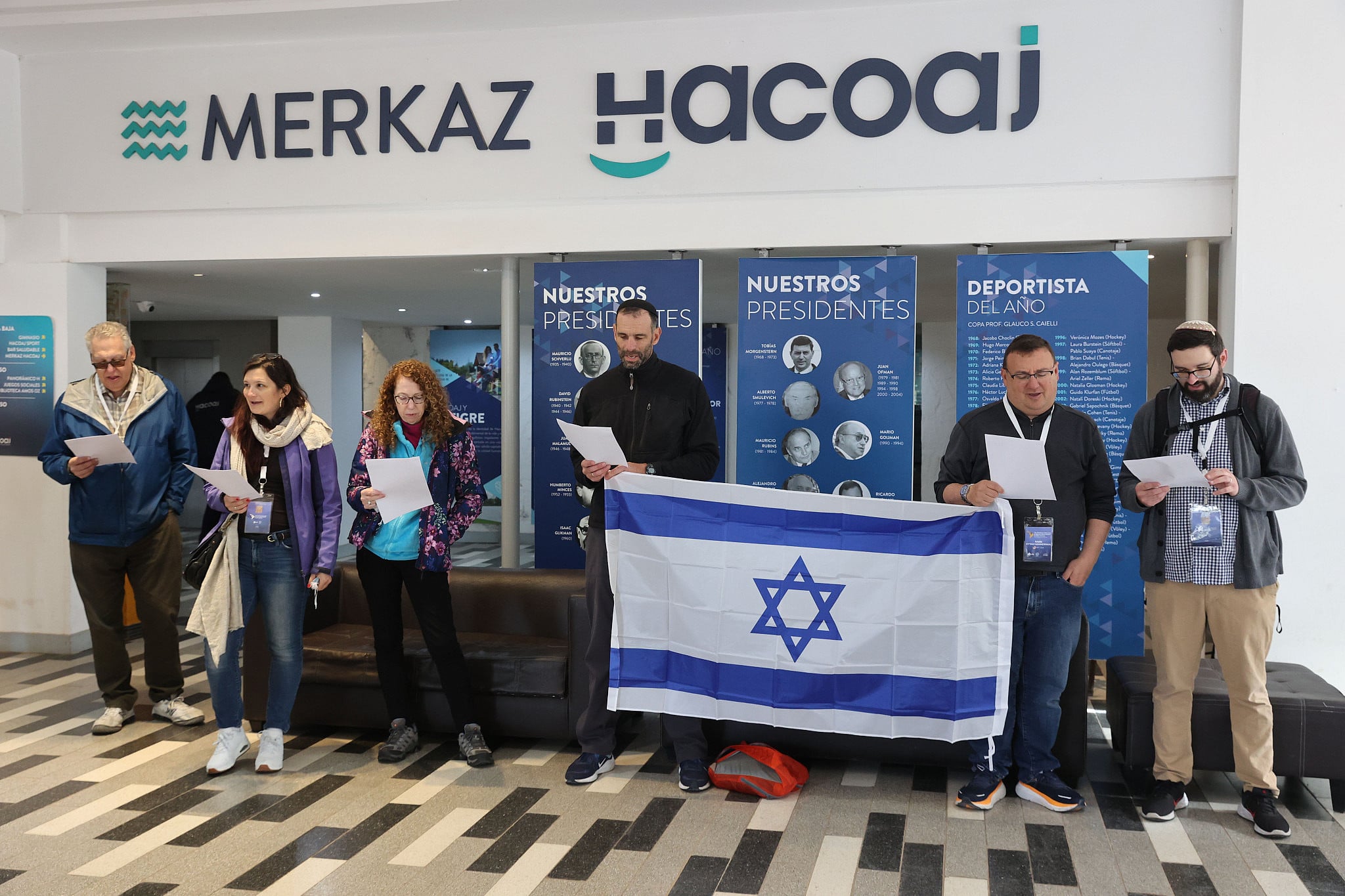
Related Topics