The Jews Who Helped Build Broadway: Inside A Place for Us–From Broadway to Brazil

When we think of Broadway, dazzling musicals, bright theaters, and legendary performers immediately come to mind. What many don’t realize is that much of this history was shaped by Jewish immigrants who found in art a way to rebuild their lives—and in doing so, forever transformed American musical theater.
This journey inspires Um לugar Para Nós — in English: A (ל) Place for Us – From Broadway to Brazil — a benefit performance presented by the Congregação Israelita Paulista (CIP) on August 16 at Sala São Paulo. The event is part of CIP’s 90th anniversary celebrations and will highlight the intersection of cultures, memory, immigration, and music, showcasing the contribution of Jewish artists to the creation of global musical theater and their influence on the Brazilian stage.
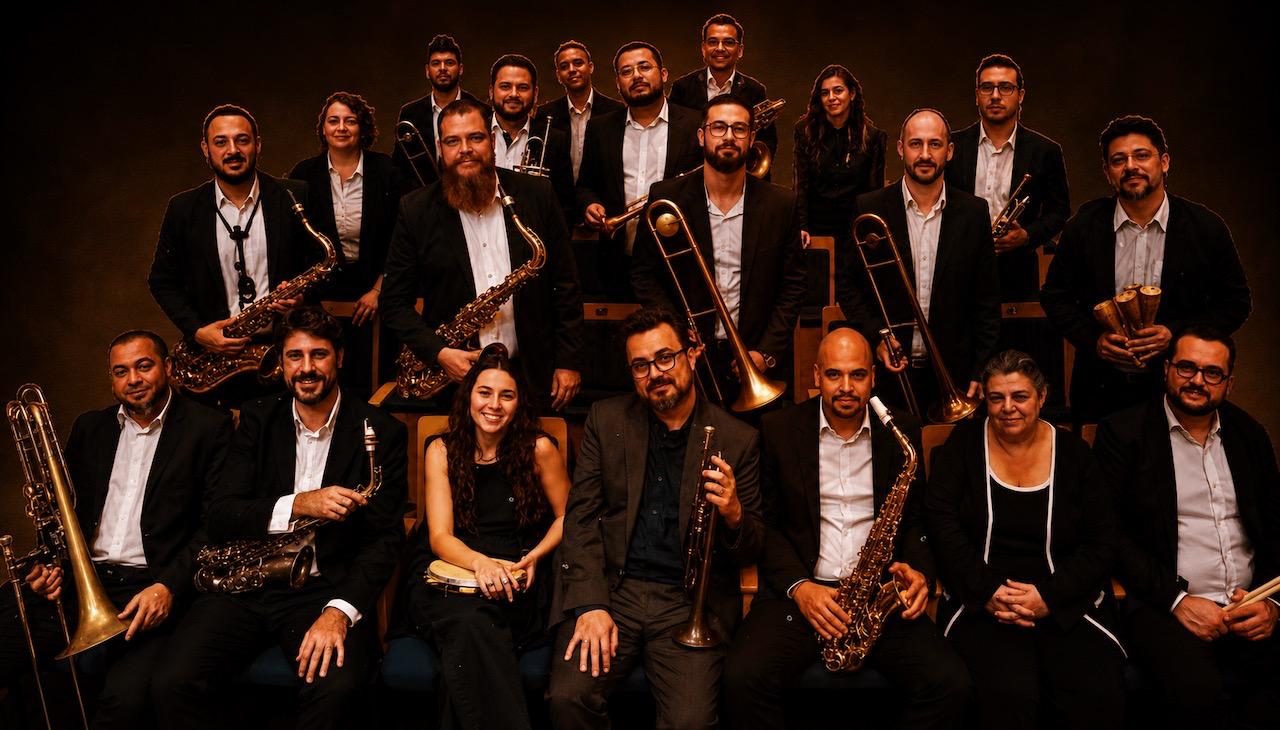
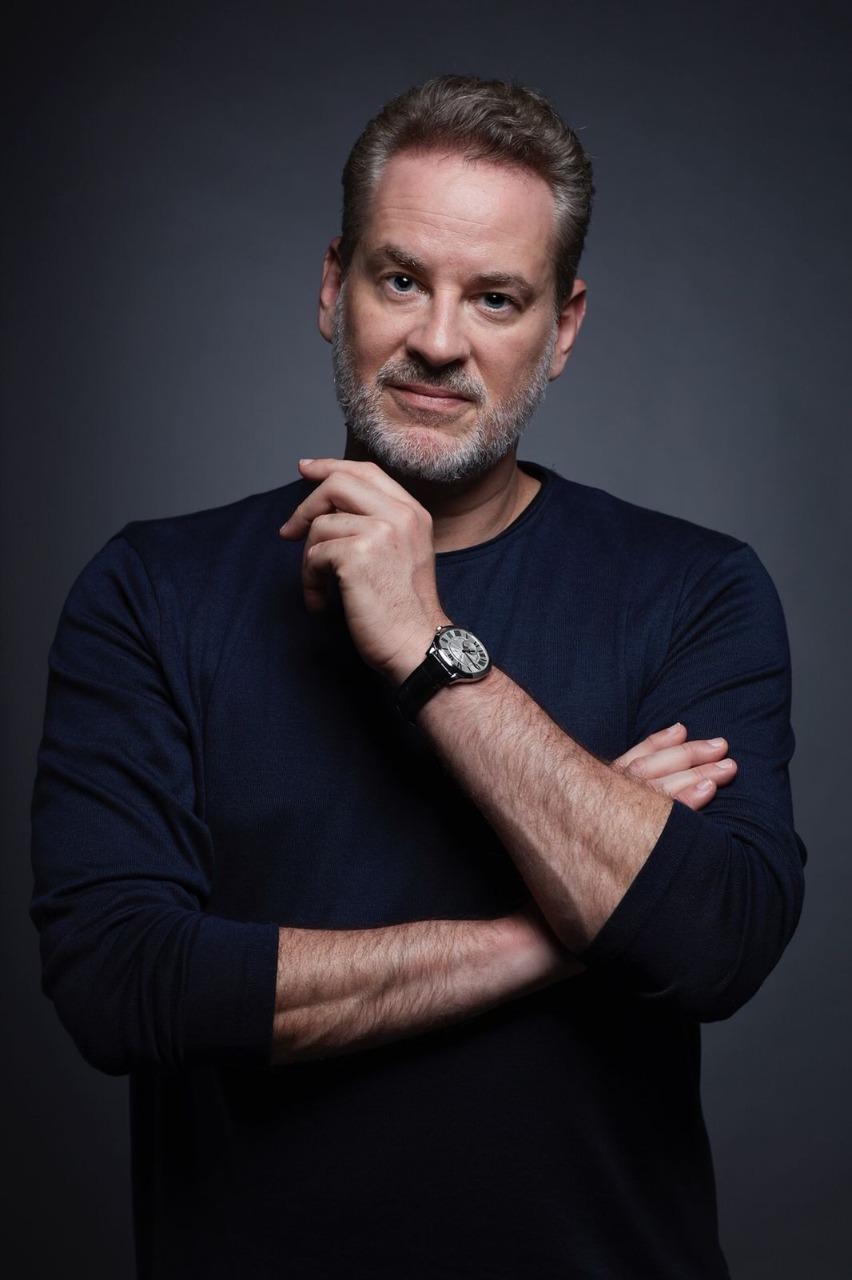
The cast brings together some of Brazil’s leading musical theater stars: Alessandra Maestrini, Bruna Guerin, Giulia Nadruz, Gottsha, Kiara Sasso, Samantha Schmütz, Saulo Vasconcelos, and Soraya Ravenle, with special appearances by Marcos Veras, Felipe Grytz, and Avi Bursztein. The evening will be hosted by Dan Stulbach, accompanied by the São Paulo Big Band and Orchestra.
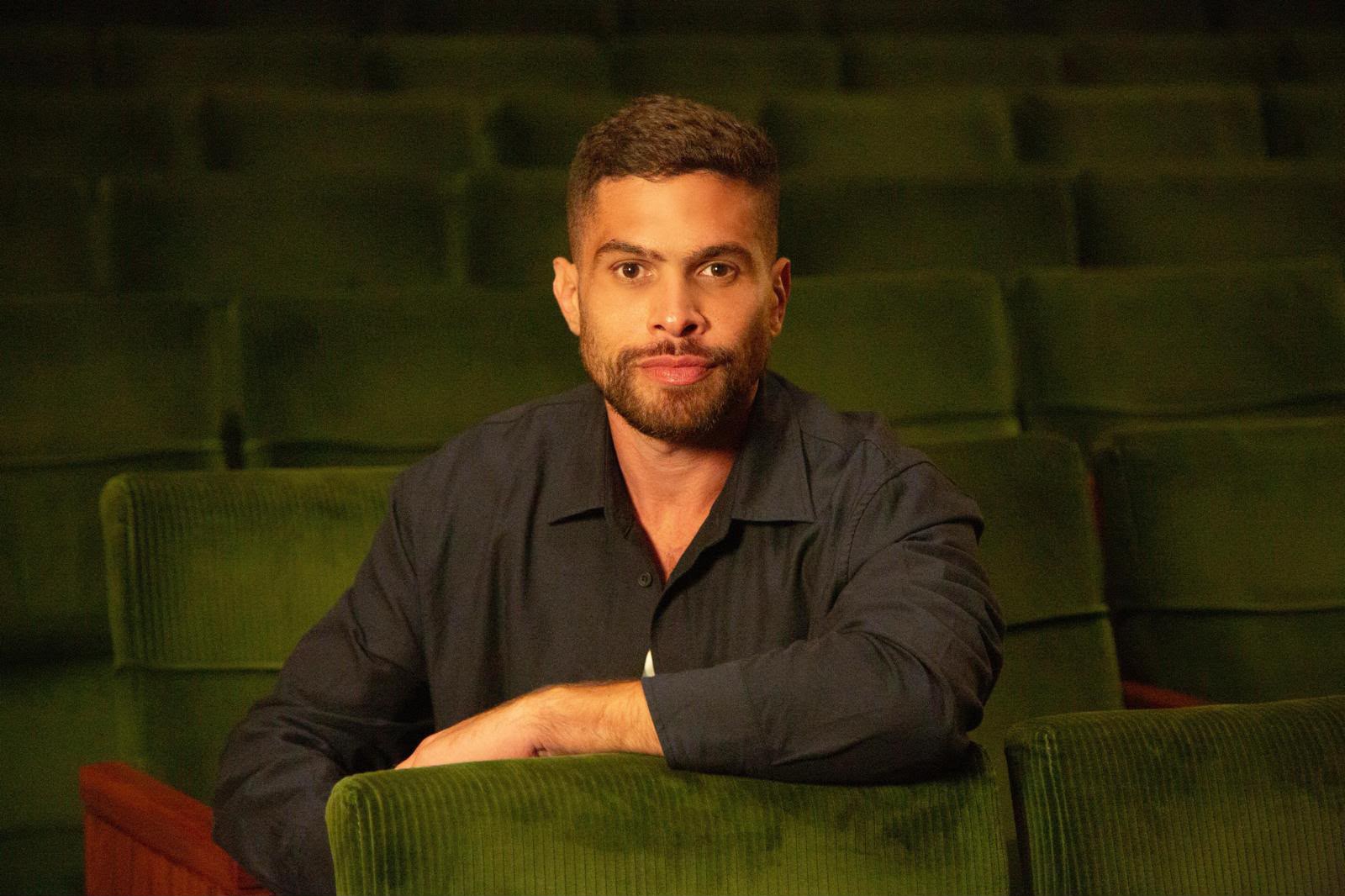
With general direction by Gustavo Barchilon, musical direction by Antonio de Arruda Ribeiro, script and curation by Claudio Erlichman, lighting by Maneco Quinderé, costumes by Fábio Namatame, and production by BARHO Produções, the show spans more than a century of history, celebrating the meeting of music, memory, immigration, and identity.
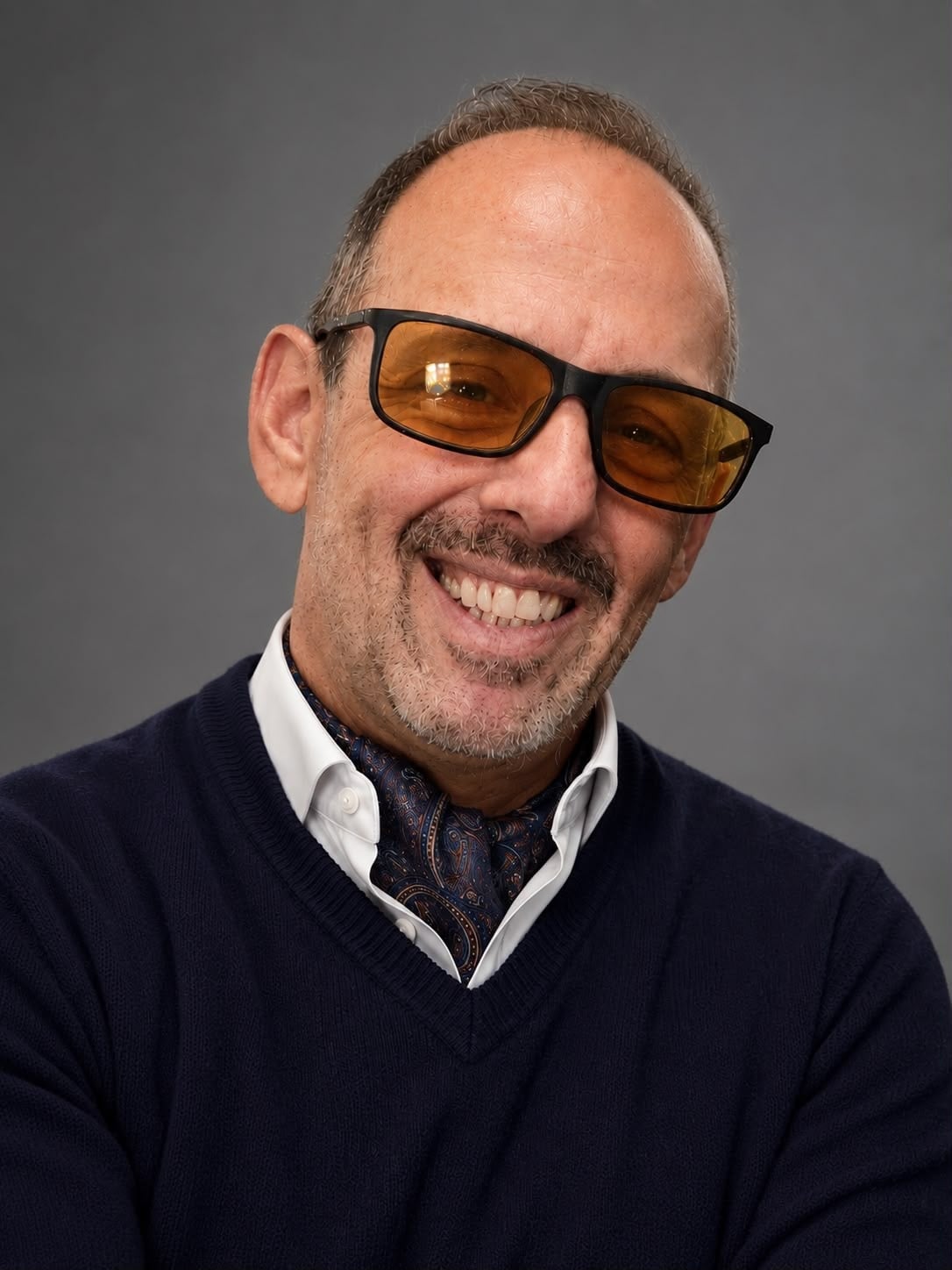
In an interview with The Times of Israel, Gustavo Barchilon and Claudio Erlichman discuss the Jewish influence on Broadway’s formation, the creative process behind the show, and a legacy that continues to inspire musical theater today.
Interview (originally in Portuguese):
1. Broadway’s story is often associated with glamour and entertainment. But its roots are deeply tied to Jewish immigration. How did this history begin?
Claudio Erlichman — Broadway’s roots are closely linked to Jewish immigration to the United States in the late 19th and early 20th centuries. Millions of Jews fled Eastern Europe, escaping persecution, pogroms, and poverty, and settled in New York—especially in the Lower East Side, where Yiddish theater thrived.
It was in this environment that a generation of artists, composers, playwrights, and producers began developing the language that would give birth to the American musical. Facing social and professional barriers of the time, many Jews found in entertainment a space to create, innovate, and express themselves.
Names such as Irving Berlin, the Gershwin brothers, Richard Rodgers, Oscar Hammerstein II, Leonard Bernstein, and Stephen Sondheim not only wrote timeless hits but also helped shape the cultural identity of the United States. Their works transformed experiences of immigration, belonging, prejudice, and hope into universal stories.
To understand Broadway, therefore, is also to understand how a community that encountered so many closed doors ultimately opened some of the most important doors in world culture.
2. All this journey inspires the benefit performance A (ל) Place for Us – From Broadway to Brazil. How did the idea of turning this history into a stage production come about?
Gustavo Barchilon — The idea was born from a long-standing desire I had to pay tribute to musical theater and to recognize the enormous contribution of Jewish artists, composers, producers, and creators to the history of this genre.
After October 7, however, the project took on a new meaning for me. I was living in Israel at the time and witnessed firsthand the rise of antisemitism around the world. At the same time, I saw a powerful movement emerging on Broadway and in the West End that emphasized Jewish identity, supported Jewish artists, fought antisemitism, and encouraged works that addressed these themes.
I felt that this movement did not yet exist with the same strength in Brazil. As a Jew and a musical theater director, I understood that I had a responsibility to contribute to this conversation through the medium I know best: art.
This year also brought a very symbolic coincidence. We are celebrating 25 years since the revival of musical theater in São Paulo and 90 years of CIP. I realized it was the perfect opportunity to unite these two stories: to honor a genre that transformed my life, to acknowledge the fundamental contribution of the Jewish community to musical theater, and to open this dialogue in Brazil as well.
3. “A (ל) Place for Us” is not just a succession of great musical numbers. What was the concept that guided the creation of the show and the choice of repertoire?
Claudio Erlichman — The concept was to tell the story of the evolution of the legacy of Jewish Broadway composers, from the early 20th century to the present day. More than simply presenting a sequence of famous songs, we sought to build a narrative that shows how these artists transformed musical theater and helped define American cultural identity.
We also wanted to honor two key figures in the history of musical theater in Brazil: Oscar Ornstein and Victor Berbara, pioneers in producing large-scale musicals in the 1950s and 1960s. This tribute is even more meaningful now, as the country celebrates 25 years since the revival of the genre on a broad scale.
Each song occupies a specific place within the narrative and represents an important moment in this artistic evolution. Naturally, many unforgettable pieces were left out, but that was a decision dictated by time constraints, not by the relevance of the works.
Gustavo Barchilon — The choice to bring together six of the leading female voices in Brazilian musical theater also carries symbolic meaning. In Jewish tradition, the number six represents creation, balance, and the connection between the spiritual and the material world. The female cast reflects the idea of women as guardians of memory, culture, and continuity across generations.
These six artists are the heart of the show and, throughout the evening, they welcome special guests, turning the tribute into a grand celebration of musical theater.
The performance is divided into thematic sections. We begin by recalling that many of the great producers who brought Broadway to Brazil were themselves Jewish. Then we propose a symbolic encounter between two giants of musical theater: Chico Buarque, one of Brazil’s greatest references in the genre, and Stephen Sondheim, one of Broadway’s most influential creators.
From there, we move through the standards, songs that transcended the stage to become classics, the world of imagination and children’s musicals, Hollywood musical films, and productions that tell the story of the Jewish people.
4. How was the challenge of condensing more than a century of history into a single performance?
Gustavo Barchilon — That was the most difficult part of the process. We could easily have created a show lasting many hours, because there is an immense universe of extraordinary songs.
We tried to bring together the pieces that most resonated with audiences—great classics that have already been performed on Brazilian stages and that hold special meaning for our public. After all, this is a day of celebration: a tribute to musical theater, to the Jewish contribution to its history, and to the 90 years of CIP.
Claudio Erlichman — From the very beginning, we knew we didn’t want to create a simple collection of hits. The idea was to build a historical and emotional narrative, showing how musical theater evolved and how Jewish composers were at the center of this transformation, engaging with the cultural, social, and aesthetic changes of each era.
That’s why each number was chosen not only for its popularity but for the role it plays in this journey. Some musicals represent true turning points in Broadway’s history, while others became symbols of their time.
We also sought to create a performance capable of moving both those who know the genre deeply and those experiencing it for the first time. More than telling a complete story—which would be impossible in a single evening—we want to spark the audience’s curiosity and celebrate an artistic legacy that remains alive and constantly renewing itself.
5. The show pays tribute to the pioneers who brought Broadway to Brazil and highlights the influence of this repertoire on our musical theater. How do you see the maturity of the genre in the country today?
Claudio Erlichman — Brazil is experiencing a moment of great maturity in musical theater. Over the past two and a half decades, we have seen the rise of an extremely skilled creative network—producers, directors, actors, musicians, choreographers, set designers, and technicians—capable of staging productions on the same level as major international shows.
But it’s important to remember that this story did not begin 25 years ago. Before the revival, there were pioneers who believed in the genre when it was still a gamble in Brazil. These visionary initiatives paved the way for everything that followed.
At the same time, Brazilian musical theater has ceased to be merely an importer of Broadway hits. Today, while it continues to engage with that tradition, it has also found its own voice. We still stage great international classics, but we now produce original works that tell Brazilian stories and explore our music, our culture, and our identity.
It is precisely this dialogue that A (ל) Place for Us – From Broadway to Brazil seeks to celebrate. The show acknowledges the contribution of Jewish composers to American musicals, honors those who brought this repertoire to our stages, and celebrates the evolution of Brazilian musical theater, which today holds a prominent place in the country’s cultural landscape.
6. The title “A (ל) Place for Us” references the song “Somewhere” from West Side Story, and replaces the letter “L” with the Hebrew letter ל. What is the meaning behind this choice?
Claudio Erlichman — The title refers to Somewhere, one of the most beautiful celebrations of hope, coexistence, and the search for a place where differences can be embraced. This idea captures the essence of the show, which celebrates the contribution of Jewish artists to Broadway while also addressing themes of immigration, identity, belonging, and cultural exchange.
The substitution of the letter “L” in the Portuguese word lugar (“place”) with the Hebrew letter ל, Lamed, reinforces this symbolism. In Jewish tradition, Lamed is associated with learning, knowledge, and growth. These values connect directly to the history of the Congregação Israelita Paulista, which, over its 90 years, has promoted education, culture, dialogue, and citizenship.
Thus, the ל in לugar goes beyond a graphic device. It symbolizes a bridge between tradition and the future, between memory and artistic creation. It expresses the essence of the show: demonstrating how art can preserve identities, build bridges, and create a place of belonging.
7. After immersing yourselves in this history for so many months, what emotion or reflection do you hope to awaken in the audience?
Claudio Erlichman — We hope the audience leaves Sala São Paulo moved and enriched by the story they have just experienced. Many people recognize the songs, the musicals, and their characters, but they don’t always know the extraordinary human and cultural journey behind them. If we can spark that curiosity and inspire a new perspective, we will have fulfilled an important part of our mission.
We also want to leave a reflection on the transformative power of art. The story of Jewish Broadway composers is, in large measure, the story of immigrants who faced prejudice, overcame adversity, and turned their experiences into works that move people across cultures, languages, and religions.
There is also a special meaning in presenting this show at Sala São Paulo, as part of CIP’s 90th anniversary celebrations. It is a way of recognizing a legacy that transcends the Jewish community and belongs to universal culture.
In the end, that is the message of A (ל) Place for Us: to show that music, theater, and culture have the power to bring people together, preserve memory, and remind us that there can always be a place where diversity, dialogue, and humanity meet.
Gustavo Barchilon — I hope that when the lights go out, the show continues to shine within the audience. That people leave touched, transformed, and happier.
-

- Cast
-

- SP Big Band and Orchestra
-

- Dan Stulbach
-

- Claudio Erlichman
-

- Gustavo Barchilon