The Light That Remains
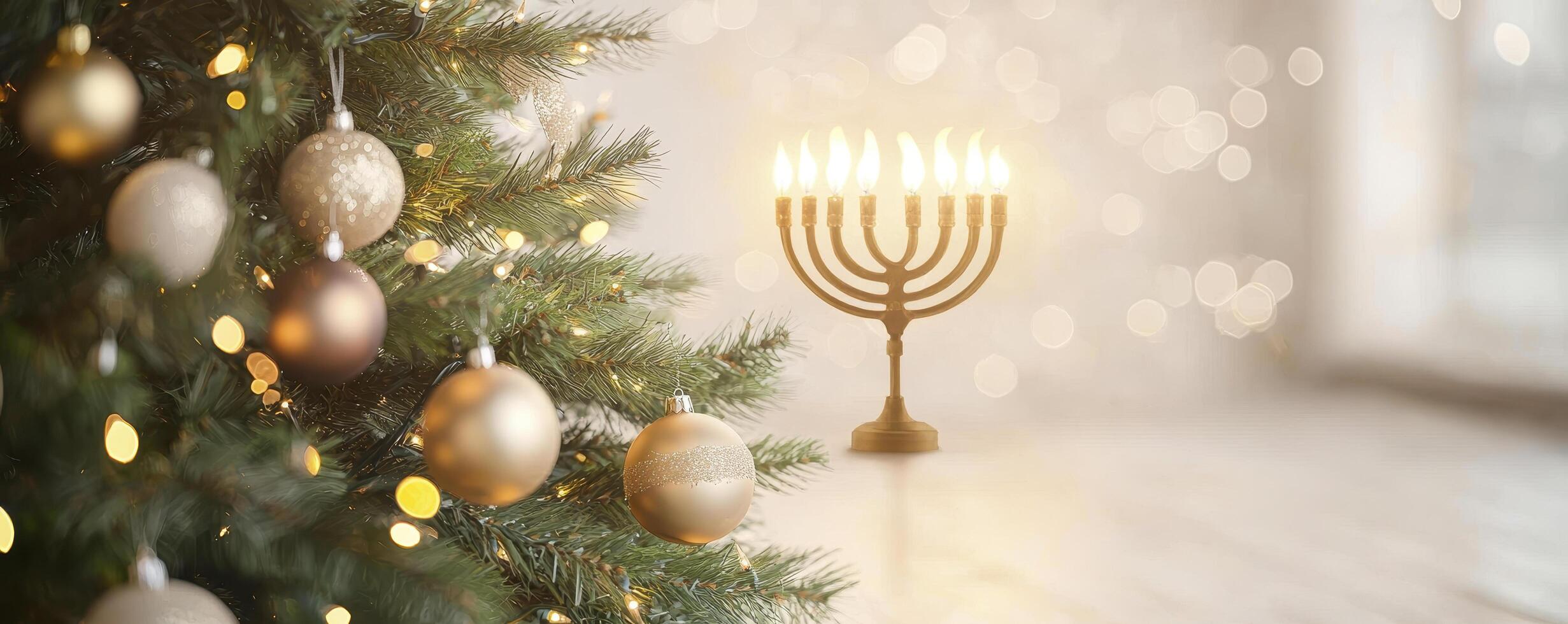
Walk outside on a late December night and the contrast is hard to miss. Neighborhoods are lit up with displays, colorful and bold, each one louder than the next. And then, in a single window, a menorah flickers. The flame is small and steady, but somehow it draws you in differently. There is a weight to it that seems disproportionate to its size. How is it that something so modest carries what all that spectacle cannot?
The answer begins with a phrase at the heart of the Chanukah story: rabim b’yad me’atim, the many delivered into the hands of the few. On the surface, this was a military miracle. But a deeper look holds a different clue. Not a military one.
Greece was the superpower of its age. Philosophy, science, democracy. So much of what we still inherit traces back to those innovations. But their genius expressed itself outward. To be large is to fill space. Empires conquer and spread. Greece built stadiums you could see from miles away, theaters carved into hillsides. Everything was visible, projected outward.
Israel worked differently. Israel built in time.
A Jew in ancient Babylon kept the same Shabbat as a Jew in Jerusalem. No magnificent buildings required. Just sunset on Friday and the world shifts. Similarly, the month begins when the moon reappears, whether you’re in a palace or a ghetto. Empires fall because they lose land and territory. But while you can lose your home and your country, a Jew can never lose Shabbat.
We learn that Yavan targeted the specific mitzvot of Shabbat, brit milah, and Rosh Chodesh. What do these share? Each one sanctifies time. The seventh day of the week, the eighth day of a boy’s life, the first day of the month. Chanukah itself touches all three: eight days, always containing a Shabbat and a Rosh Chodesh. By attacking these practices, Greece struck at something it could not conquer by force: the rhythm of sanctified moments.
Temples can be torn down, and libraries burned to the ground. But an army can never occupy a moment. The seventh day comes and goes whether or not the empire permits it. The new moon appears on its own schedule.
The miracle of the oil tells the same story. One night’s worth burned for eight. Time itself stretched beyond what the physical world could sustain. The cruse seemed too small to last, just as Israel seemed too small to survive. Yet both endured—not by expanding, but by persisting.
We reenact this every year. One light per home, then two, then eight. The menorah grows forward through time. Each night builds on the one before. This is how Jewish life has always worked: not monuments that dominate the landscape, but moments that accumulate across generations.
And so the December contrast returns with its full meaning. The bright displays dominate every lawn and rooftop, filling space with color and noise. Then the season ends and they vanish. The menorah works differently. It begins with a single flame, barely visible. Night after night, it grows. Not bigger. Longer. Not louder. Steadier.
The empires that filled the ancient world are ruins now. Greece built stadiums that tourists photograph. Rome left aqueducts crumbling in the countryside. But the flame that was lit in Jerusalem over two thousand years ago is still being lit tonight, in a window, in your city, in your home.
The light that endures is not the one that shines brightest.
It is the one that remains.