The most important election no one is talking about
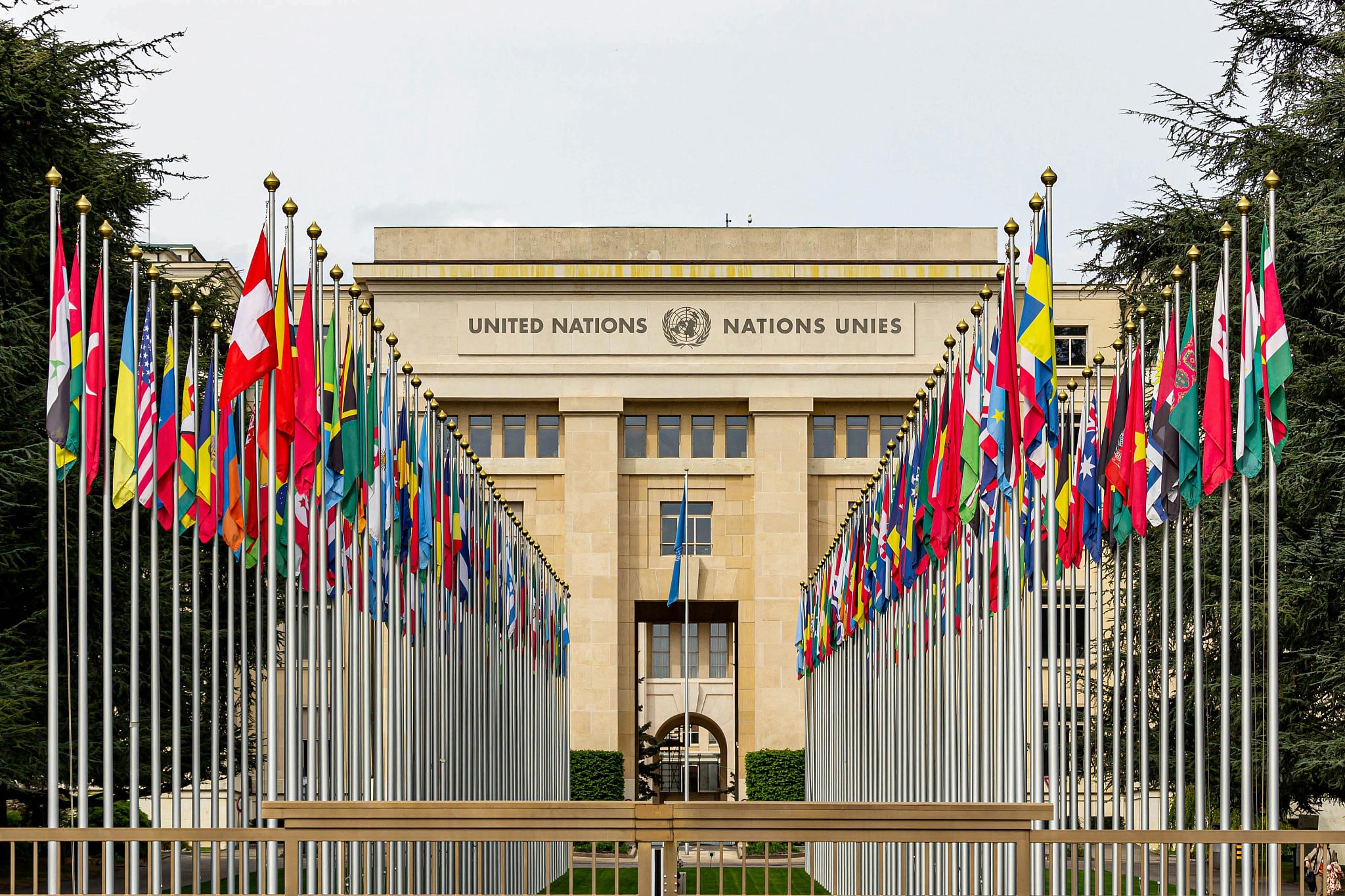
In a world gripped by political volatility, the global gaze is understandably fixated on the traditional centers of power. Commentators obsess over the upcoming midterms in the United States, dissect the unpredictable shifts in Israeli coalition politics, and track the oscillating waves of regime change sweeping across South America. These political shifts are undoubtedly significant, shaking up regional alliances and dominating the 24-hour news cycle. Yet, while the world watches these highly visible contests, one of the most consequential elections of our time is taking place in near-total silence. The truly critical vote, the one that will affect the future of international governance, law, and global stability, is the upcoming election for the next secretary-general of the United Nations.
The person chosen to lead the United Nations will inherit an institution facing one of the deepest moral crises in its history. The next secretary-general will not simply manage a bureaucracy. They will determine whether the UN can restore its credibility, rebuild trust, and return to its founding principles.
After nearly a decade under Secretary-General António Guterres, the United Nations stands at a crossroads. An organization created to defend peace, uphold international law, and prevent atrocities has suffered a profound ethical crisis. Instead of strengthening the UN, this era has witnessed the erosion of its authority and the weakening of public confidence in its institutions.
One of the clearest examples of the damage Guterres inflicted on the UN is the way UN-affiliated organizations have handled Israel’s war against terrorism.
UNRWA, the United Nations Relief and Works Agency for Palestine Refugees, has caused unprecedented damage to the reputation of the organization it represents.
For years, Israel warned that Hamas had deeply infiltrated UNRWA. Yet, at the peril of Israeli citizens, those warnings were dismissed by many in the international community. Israel and the United States revealed UNRWA employees with links to terrorist organizations. Hamas repeatedly used its facilities, including schools in Gaza, to indoctrinate Palestinian children, and in some cases, conduct attacks against Israelis.
No international organization can maintain credibility while ignoring such failures. The damage was not only operational. It was moral. The UN system suffers when an institution created to promote peace becomes associated with those who promote violence.
The politicalization of the United Nations during Guterres’ tenure has also reached unprecedented levels. The organization that claims to represent international neutrality has too often appeared unable or unwilling to apply its standards consistently.
The most troubling examples came when Israel was placed on UN blacklist related to conflict-related sexual violence without any factual evidence. Israel was listed next to some of the world’s most brutal terrorist organizations. These decisions came less than three years after the October 7 massacre, the darkest day for the Jewish people since the Holocaust. A day when Hamas terrorists murdered, raped, and kidnapped Israeli civilians.
While the UN secretary general has visited conflict zones around the world, he has not visited Israel since October 7, 2023. That is a shameful decision that is terribly disappointing.
The secretary general’s placement of Israel, the Middle East’s only democracy, alongside terrorist organizations responsible for some of the worst atrocities of our time was not only deeply offensive. It represented a moral failure of historic proportions.
The problem is not confined to the United Nations headquarters alone. The United Nations has faced questions about accountability and transparency across its institutions. Serious concerns have emerged, even at the highest levels of international justice.
When the former prosecutor of the International Criminal Court pursued controversial actions against Israeli leaders, including seeking arrest warrants against Prime Minister Benjamin Netanyahu and former Israeli defense minister Yoav Gallant, questions were also raised about serious allegations of misconduct involving the prosecutor himself. Today, it is widely understood that the arrest warrants were issued to divert media attention from the sexual misconduct allegations against the ICC’s chief prosecutor, allegations that recently led to his suspension. These issues cannot simply disappear behind political headlines. International institutions must hold themselves to the same standards they demand from others.
For years, leaders around the world have spoken about the need for comprehensive reform at the United Nations. Today, those calls are louder than ever. President Donald Trump, whom Israel deeply respects as a partner in advancing global stability, is leading several initiatives aimed at addressing these challenges and demanding greater accountability from international institutions. But reform alone is not enough. The next secretary-general must have the courage and leadership necessary to save the United Nations from decline.
The UN was one of the greatest achievements of the 20th century. It was created from the ashes of the Second World War with a promise that the world would never again remain silent in the face of evil. But institutions do not survive on history alone. They survive when they remain faithful to their founding values. Every day that the UN fails to confront terrorism, antisemitism, and political bias, it loses more of the respect and authority it once commanded.
The upcoming election for secretary-general is therefore not just about choosing the next leader of an international organization. It is about deciding what kind of international system the world wants to build.
The next secretary-general must remember that the United Nations was created to serve all member states equally. It will be their responsibility to confront the institutional antisemitism that has become embedded within parts of the UN system, restore transparency and accountability, and return the organization to the principles of professionalism and impartiality on which it was built.
Will the next secretary-general restore the UN’s moral compass? Will they ensure that truth matters more than politics? Will they rebuild an institution that stands firmly against terrorism and protects those who seek peace?
These are the questions that will be answered in this election. An election that will shape the future of the world, and an election that we can’t afford to ignore.
–
- Why is this important? The Security Council is set to hold its second straw poll this Friday – a significant step in the process of selecting the next secretary-general.
- Contact details, including a telephone number: +1 (646) 498-5610 Unspokesperson@newyork.mfa.gov.il