
The Next Frontier: Why Israel Should Boost Its Investment Footprint in Africa
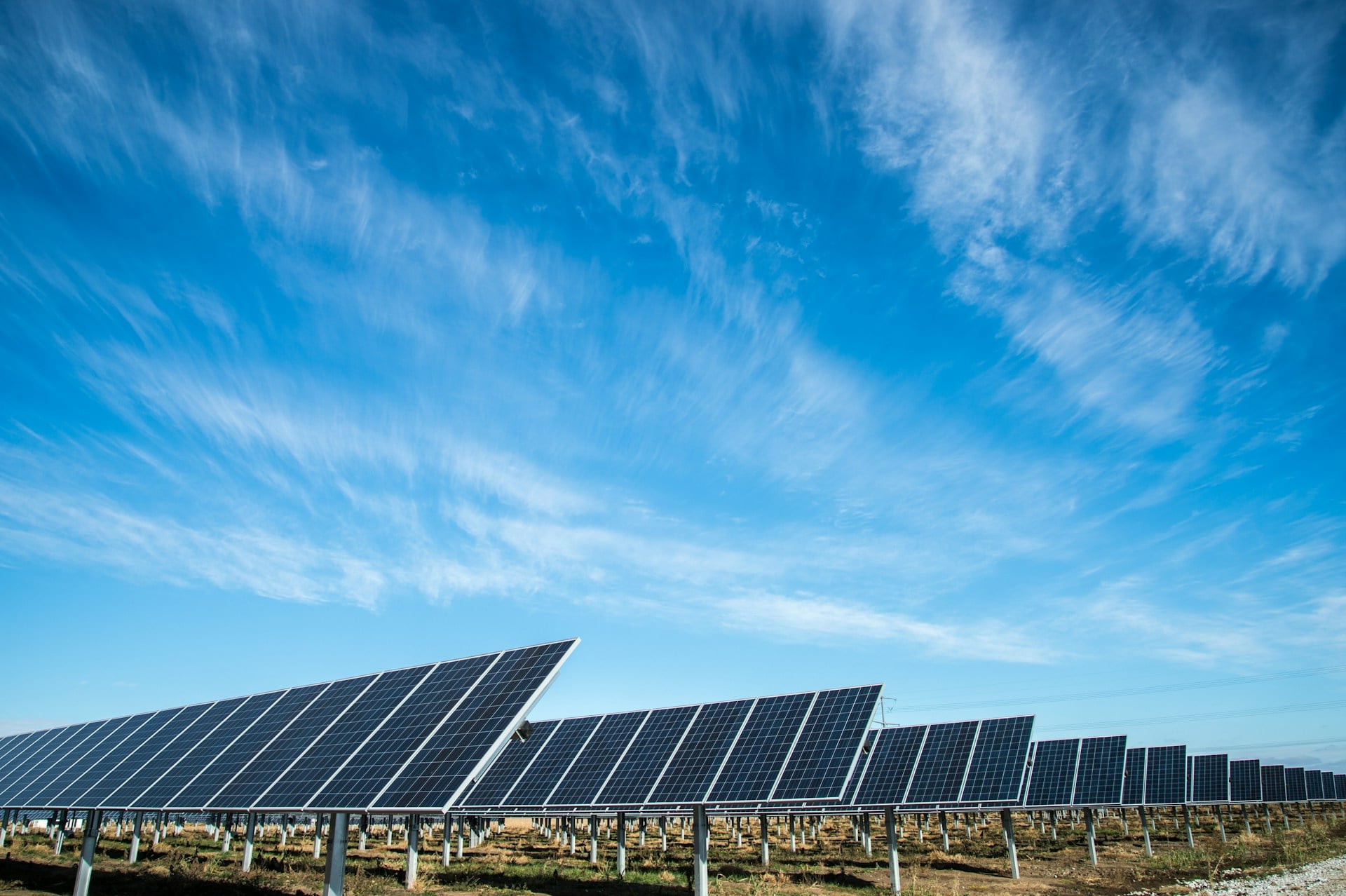
When the sun rises over the rolling hills of eastern Rwanda, its rays glint off rows of solar panels stretching across the Agahozo-Shalom Youth Village. Once known for sheltering orphans of the 1994 genocide, this community now stands as an unlikely heart of Rwanda’s energy revolution.
The 8.5-megawatt Agahozo-Shalom Solar Field, built by Israeli firm Gigawatt Global in partnership with the Government of Rwanda, powers roughly 15,000 homes, boosting the nation’s generation capacity by about six percent. Local technicians maintain the site, young Rwandans earn steady livelihoods, and part of the proceeds fund education and social programs within the village.
Commissioned in 2014 through a pioneering public-private partnership, it became one of Africa’s first utility-scale solar farms – proof that collaboration between governments and investors can yield both profit and transformation.
That transformation – energy turned into prosperity – symbolizes a quiet but powerful wave of Israeli partnerships taking shape across the continent. From solar power and drip irrigation to water recycling and digital health, Israeli innovation is quietly changing lives, field by field, city by city.
The gap that remains
Israel’s investment footprint in Africa, however, remains far smaller than its potential. Western institutions, such as the World Bank and the European Union, still dominate development fund flows. China, also, has extended over $170 billion in loans and investments since 2000, transforming skylines and transport corridors across Africa. It is today the continent’s largest bilateral infrastructure financier.
The Middle East has joined this race too. The Saudi Fund for Development (SFD) has financed over 400 projects worth more than $10 billion in 46 African countries, funding infrastructure, healthcare, education and more. Beyond economics, these ties advance cultural and religious influence, extending Saudi Arabia’s soft power.
Turkey has executed an even more striking surge. Since 2005, Ankara has opened over 40 embassies across Africa — up from just a dozen two decades ago — and Turkish contractors have implemented projects worth about US $85 billion. Through TİKA, Turkey installs solar systems in hospitals and schools, while the Maarif Foundation and Diyanet build institutions that blend education, welfare, and faith – crafting a deep and lasting presence.
Even Iran, with a smaller budget, leverages cultural diplomacy to build relationships – from Qur’an competitions to scholarships and hospitals such as the Iran-Uganda Medical Center in Kampala. These modest ventures weave ideological networks whose reach often exceeds their cost.
Africa’s shifting choices
As these global actors intensify their engagement, African leaders are becoming more discerning. Western support, though generous, often arrives tangled in conditions and bureaucracy. Chinese financing, though rapid, has sparked concern over “debt traps” and sustainability. Middle Eastern partnerships, while generous, can carry cultural or ideological strings.
In this evolving landscape, Israel has a unique opportunity to stand out, perhaps not by volume of funds, but by the sheer value of impact. Israel’s edge is its much-celebrated innovative mastery. Its technologies turn arid soil into fertile ground, sunlight into power, and scarcity into sufficiency. Through MASHAV, Israel’s Agency for International Development Cooperation, for instance, tens of thousands of African professionals have been trained in agriculture, water management, and public health. But much of Israel’s engagement has been driven by private enterprises like Netafim, Mitrelli Group, and Gigawatt Global.
Yet, Africa’s booming population, urbanization, and digital expansion present vast markets hungry for affordable, sustainable solutions for partners like Israel. And for Africa, Israeli investment offers something the continent increasingly values: partnership without additional ideological ties.
Israel can deepen its engagement with Africa by harnessing the power of development finance institutions (DFIs) to establish a durable foundation for strategic, long-term investment. Partnerships with African governments, coupled with innovative risk-sharing and alignment with national development goals, would magnify Israel’s influence and cement enduring goodwill throughout the continent.
The Agahozo-Shalom solar field in Rwanda, and other similar initiatives, have been just a beginning. Now, Israel’s mission should be to scale these sparks of innovation into a continental transformation – illuminating cities, greening farmlands, and empowering Africa’s next generation through technology.
Africa is not merely the next frontier; it can be the cornerstone of Israel’s global investment vision – a partnership rooted in shared progress and prosperity.