
The olive tree in the pope’s garden
Sixty years after Nostra Aetate, the roots of friendship still grow
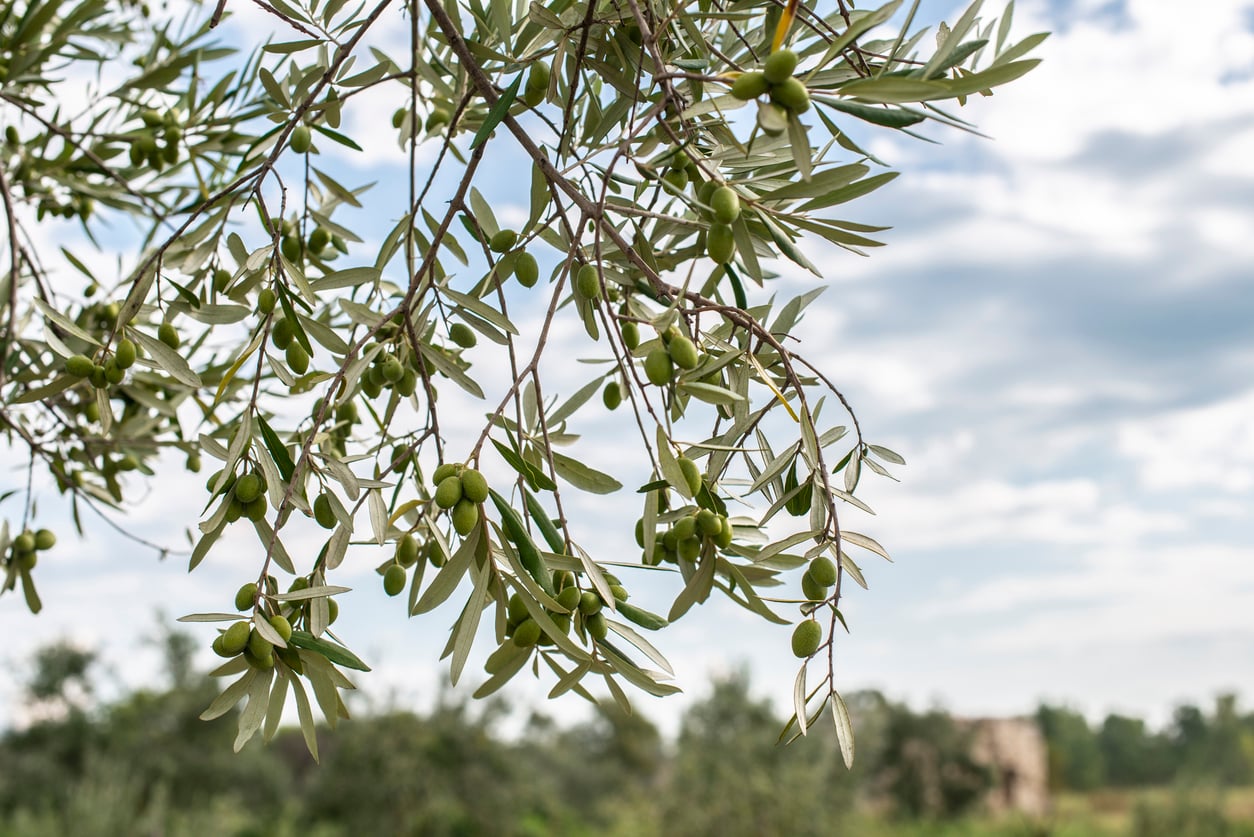
When I served in the press office of the Israeli embassy to the Holy See, I helped plant an olive tree from Nazareth in the backyard of Pope Benedict XVI.
The soil came from Israel, the shovel from the Vatican gardens, and together we watched, as earth from two worlds met in a quiet act of hope.
There is no stronger symbol of friendship than an olive tree. It grows slowly, but endures for centuries. As its roots sank into Vatican soil that day, I felt the weight of history pressing gently into the ground. The moment was intimate, but its meaning stretched across generations, from the first papal overtures to the Jewish people to a future where coexistence might feel as natural as the tree’s steady growth.
Sixty years ago, that moment would have been unthinkable. For nearly two millennia, Jews and Christians lived divided by theology, suspicion, and, often, violence. The Church’s teaching of supersessionism, the idea that Christianity had replaced Judaism, cast a long shadow across Europe and Jewish history. That shadow darkened into centuries of persecution.
But in October 1965, everything began to change. The Second Vatican Council issued a brief declaration called, “Nostra Aetate,” Latin for “In Our Time.” Barely 600 words long, it transformed 2,000 years of estrangement into a new language of respect. It declared that the Jews were not collectively responsible for the death of Jesus, condemned antisemitism, and affirmed the spiritual kinship between Judaism and Christianity.
It was, in many ways, a theological revolution. Pope John XXIII had set it in motion with the help of courageous cardinals and Jewish thinkers who quietly advised from the sidelines. They faced resistance, but they persisted, and, in the end, a door that had been closed for centuries was opened.
When I later walked through that door in the Vatican as an Israeli Jew, I could feel the echoes of that courage. Working with the Holy See was unlike any other diplomatic experience: it was not only about politics, but about the slow work of healing. Our conversations were careful and reverent. I learned that reconciliation is not a single act; it is a living process that must be tended, watered, and rooted in mutual understanding, like the olive tree itself.
Standing beside Pope Benedict that day, I thought about how far we had come from theological adversaries to partners in dialogue, from mutual suspicion to shared concern for peace in the Middle East, and the moral health of the modern world. The olive tree we planted was a small act, but it symbolized something immense: the possibility of trust after centuries of trauma.
And yet, as we mark 60 years since Nostra Aetate, the world reminds us how fragile such trust can be. Across Europe and beyond, antisemitism is again on the rise in politics, on campuses, on the streets. Conspiracy theories that once belonged to the margins now circulate freely in mainstream culture. In this climate, it is easy to despair, to wonder whether the seeds of reconciliation can still thrive.
But I think of that olive tree. I imagine its branches now broader, its roots deeper, its leaves still reaching toward the same Mediterranean sun that has nourished both faiths for millennia. Trees, like relationships, endure through weather and time, not because they avoid storms, but because their roots intertwine and strengthen beneath the surface.
The friendship between Catholics and Jews, born of Nostra Aetate, is one of the great moral achievements of the 20th century. It turned repentance into relationship, theology into action. And it offers a model for the wider world today, a reminder that dialogue across difference is possible, even after centuries of pain.
When we planted that sapling in the Vatican gardens, I remember the silence that followed. The pope looked down at the fragile young tree, and for a moment the centuries seemed to fall away. In that stillness, two faiths stood side by side, not to erase the past, but to grow something new from it.
There is no stronger symbol of friendship than an olive tree, and as that one continues to grow in the pope’s backyard, so too may the friendship between Catholics and Jews continue to put down roots: strong enough to weather division, deep enough to nourish generations to come.