
The Paradox of Resilience
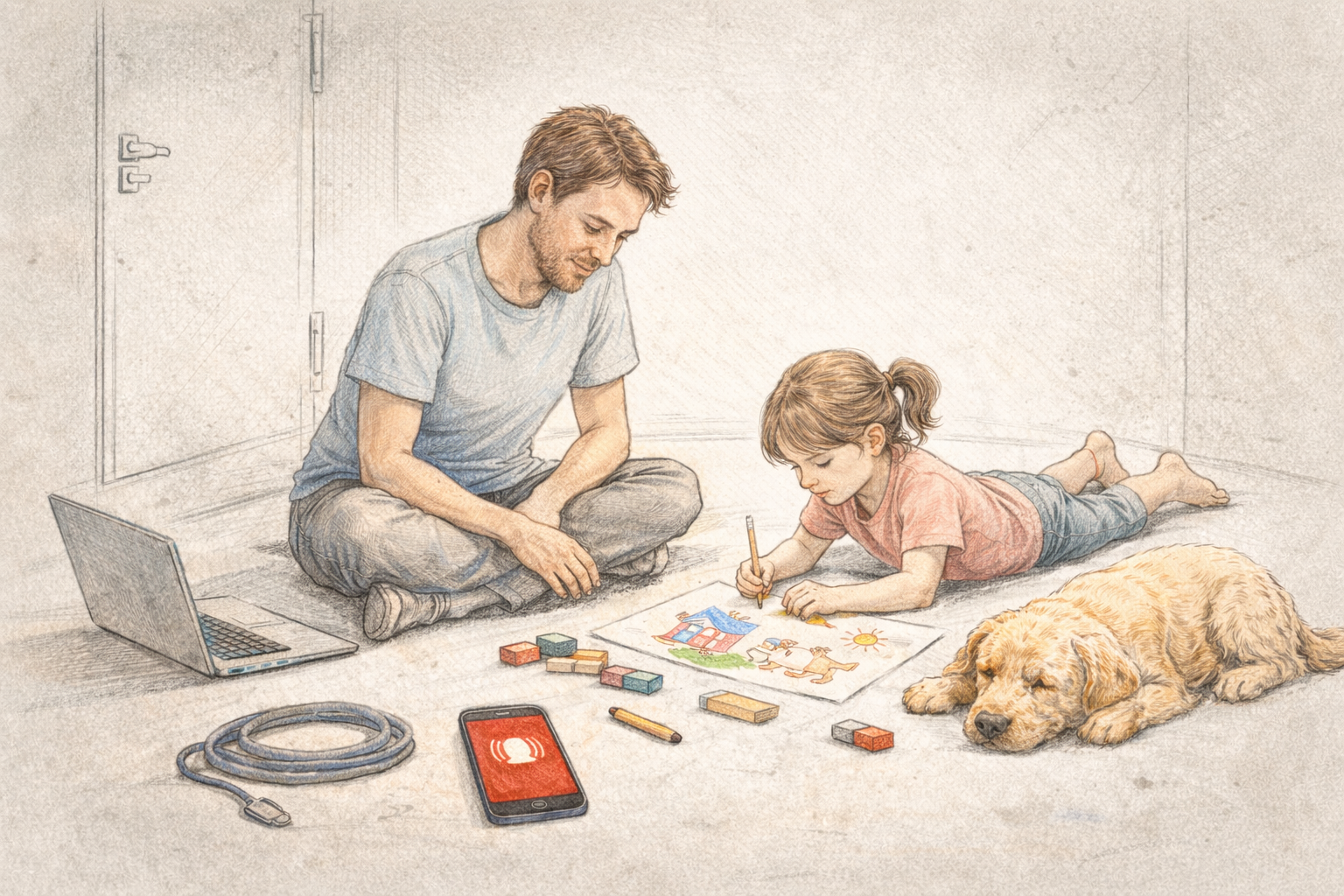
Twenty minutes before a meeting last night, I found myself writing an email that felt surreal. I explained that I hoped the current rocket attack would be over in time for me to leave the safe room and join the call, and that if another warning came during the meeting, I might have to end abruptly and run back inside.
What is perhaps even more surreal is how this is starting to feel less surreal. The day continues. Meetings happen. Emails are answered. Children are cared for. Dogs get walked. And threaded through all of it are the early warnings, the air raid sirens, the rush to the safe room, the waiting, and then the return to whatever we were doing a few minutes earlier.
This ability to shift gears so quickly is not new to us. It is something we have unfortunately honed over recent years. Community life adjusts almost automatically. Schools move online. Holiday celebrations shift to Zoom or to smaller gatherings organized around a simple, practical question: how many people can fit safely in the shelter if the siren sounds?
We know how to do this. We are practiced and polished. We are resilient. But we are also worn out. We are tired.
That is the paradox of resilience. The same capacity that allows people to keep functioning under pressure also extracts a cost. The adjustments that help us carry on, the constant readiness to pivot, the emotional discipline it takes to steady our children and continue our work do not come for free. Over time, it adds up.
Resilience can sometimes make it look like we are fine. But we are not. The ability to adapt, to keep working, parenting, and organizing community life, is a coping mechanism, not a sign that we are okay. It simply means we have learned to function in circumstances that are not normal and should not become normal.
There is an instruction we all know from airplanes: put on your own oxygen mask before helping the person next to you. The logic is simple. If you don’t have air to breathe yourself, you cannot help anyone else. The same principle applies here. Taking care of ourselves is not a luxury. It is a necessity. Finding small moments to breathe, to step outside, to ask for help, or to at least acknowledge that we are exhausted is part of how we take care of ourselves and remain able to care for others.
None of this is normal. None of it is healthy. None of it is good. But it is our reality right now.
For those watching from afar, and for those of us living inside it, resilience does not mean pretending to be strong. It means taking care of ourselves well enough to keep going.
And once we have found a little oxygen, it also means looking around. Someone else may need help finding theirs.