Solicitor & foreign policy adviser
The politics of health: Ideology over life
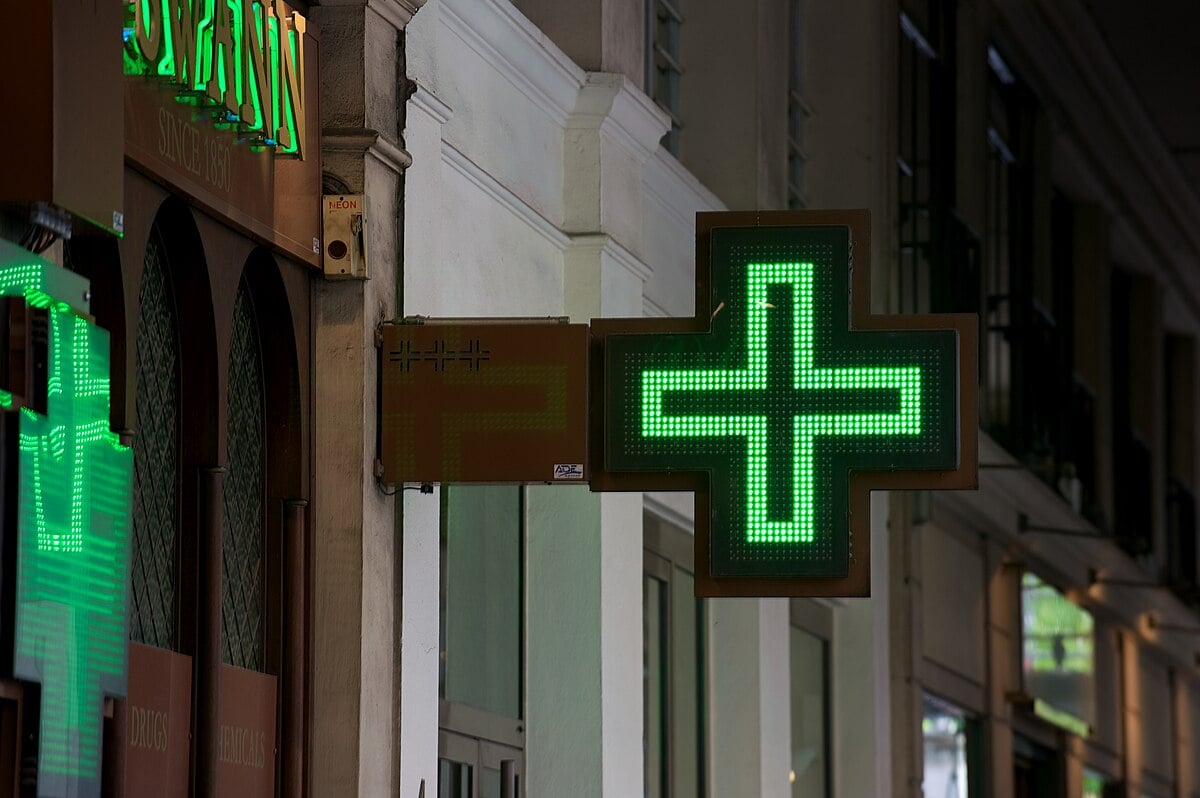
Pharmacy Sign (Photo by Daniel Stockman on Wikipedia Commons)
In the battle between political ideologies and public welfare, the lines can blur; sometimes to the point where even life-saving medications become pawns in a mayor’s crusade. In Sesto Fiorentino, Italy, the mayor’s latest move reflects just how dangerously far this blurred line can go.
The mayor, Lorenzo Falchi, a far-left extremist, has decided to prohibit the sale of Teva Pharmaceutical products within the town, aligning with a broader campaign to economically pressure the Israeli government. This includes a ban on all Israeli-manufactured products: medications, medical devices, and cosmetics alike. It’s an ideological stand, but one that sacrifices a fundamental pillar of society: public health.
Teva, the world’s largest producer of generic medicines, is responsible for life-saving treatments for conditions ranging from Alzheimer’s to oncology. In Italy, Teva products are not merely another option; they’re vital. They are reimbursed by the national health service and prescribed by doctors for their efficacy and affordability. For a far-left mayor to impose such a ban, the direct consequences on patients—many of whom rely on these medications for survival—are deeply troubling. Taxpayers will ultimately foot the bill for this political theatre, as they face not only higher costs but the tragic possibility of interrupted treatments. The ban is a misguided attempt to leverage public health as a vehicle for political messaging, something that should be beneath any responsible government.
Italy must reckon with this toxic trend before it becomes normalized. Public health and the common good must be safeguarded from the whims of ideology, no matter how fashionable or “progressive” the cause may seem. A pharmacy is meant to be a place of healing, not a stage for political theatre. Medicine has no passport, and pain knows no ideology, a principle that those in power must remember before their ideologies claim even more victims.
But Sesto Fiorentino is not alone in this ideological campaign. In Milan, the city has seen the emergence of antisemitic posters in metro stations, reading “Israelis not welcome.” These posters, stark and direct, are more than a nuisance; they’re a public cry for exclusion based on nationality, adding fuel to the flames of rising antisemitism across Europe. In one incident, a haberdashery on Via Statuto even displayed a sign reading, “Israelis and Zionists are not welcome here,” before later removing it following public backlash. But the damage had already been done. Milan’s left-wing mayor, Giuseppe Sala, continues to encourage the presence of such divisive rhetoric. On June 5, he illuminated Palazzo Marino, Milan’s City Hall, with the message “All Eyes on Gaza,” expressing solidarity with the Palestinian people. The initiative, supported by the city council’s left-wing majority, included a minute of silence for the Palestinians, followed by music and poetry readings, a reflection of the current political climate that allows extremism to creep into public spaces.
Both these incidents, Sesto Fiorentino’s ban on Teva products and Milan’s troubling rise in antisemitic rhetoric, point to a larger issue: a coordinated, mayor-led antizionist campaign that uses public health and public spaces as platforms for political ideology. The consequences are palpable, and they’re not limited to the fringe of society. They seep into the everyday lives of citizens, who must face an everydayness where their health and safety are increasingly being politicized.
This goes beyond medication or public signs; it concerns the values that should unite everyone, regardless of origin or belief. Italy’s left-side politics must find its way back to those values before they’re lost in the crossfire of partisan tactics. These mayor-led crusades are a dangerous game with people’s lives, where ideology bleeds into reality and the consequences are borne by the innocent.
Related Topics
Related Posts