The Questions We Cannot Answer This Passover
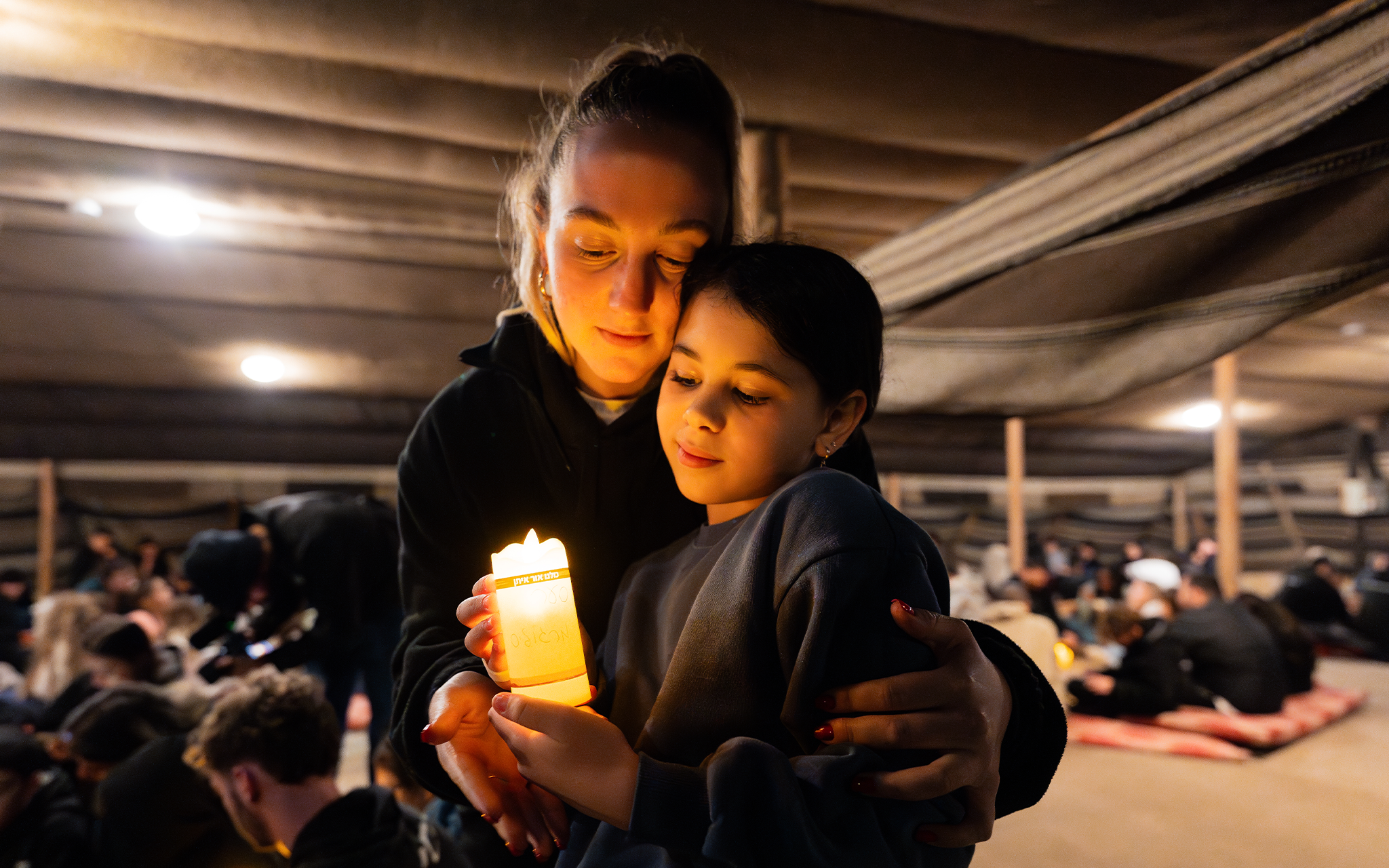
In many Israeli homes this year, the Passover Seder will unfold against the backdrop of yet another war for survival. For Israel’s bereaved families, the night is not only about tradition. It is about absence. With sirens once again becoming a staple of daily life and uncertainty lingering in the air, the reality of the conflict remains immediate and relentless. As children lean forward, eager and rehearsed, to sing Mah Nishtanah, this uncertainty is shaping the questions they ask and the answers parents struggle to give.
The Seder, at its core, is a night built around questions. But for Israel’s widows and orphans of war, those questions take on new meaning. A child may still ask, but the answer is no longer just about ancient history. It is about absence. About why a father is not at the table, why a chair remains empty. And for some children, those too young to remember or born into loss, the question is even more abstract: how do you miss someone you never truly knew?
Since October 7, over 900 children have become bereaved orphans, alongside approximately 355 new widows. In total, close to 20,000 widows and orphans now live in Israel, each navigating a private grief that becomes especially visible during moments meant for togetherness. Among them are children who, like the four sons of the Haggadah, respond in different ways. Some ask directly. Some withdraw. Some do not yet have the words. And some, like the “simple son,” sense that something is missing and ask questions without fully understanding the depth of the answers. For them, every day, every holiday, is shaped by a grief they cannot yet name.
And for their mothers, the task is relentless: to respond to every question while carrying the weight of every answer; to navigate not only their children’s grief but their own. To hold together a sense of routine and stability while everything has fundamentally changed. To create a Seder night that still feels whole, even when it is not. To decide what to say when a child asks whether their father would have liked this moment, this song, this tradition.
The Seder is meant to tell a story of liberation, of moving from hardship to redemption. But for many families this year, that story feels incomplete. The rituals remain the same, but their meaning shifts. The questions linger longer. The silences feel heavier. The empty chair is not symbolic; it is real. The story being told at the table no longer lives only in the past; it is unfolding in the present.
And when the Seder ends, the questions do not. They carry forward into the days that follow, into routines that must be rebuilt and moments that must still be marked. For these families, grief is not confined to a single day or ceremony. It lives in the everyday, in the spaces between words, in the quiet moments after the songs are sung. It returns in ordinary interactions — in school assignments, in forms that ask for a father’s name, in conversations that suddenly become too difficult to continue.
Still, there are those who find ways to hold both loss and continuity at once. Not through resolution, but through repetition; by setting the table, by telling the story, by choosing to participate in rituals that now carry a different weight. These are not gestures of closure, but of persistence. A way of marking time, even when time itself feels altered.
As we gather around our own Seder tables, we are reminded that this night is built on the act of asking and answering. But this year, we are also asked to recognize the questions that remain open, and the families who carry them long after the holiday ends. For many Israelis, Passover is a celebration of freedom. For bereaved families, it is also a measure of what it takes to keep going.