The real price of PTSD
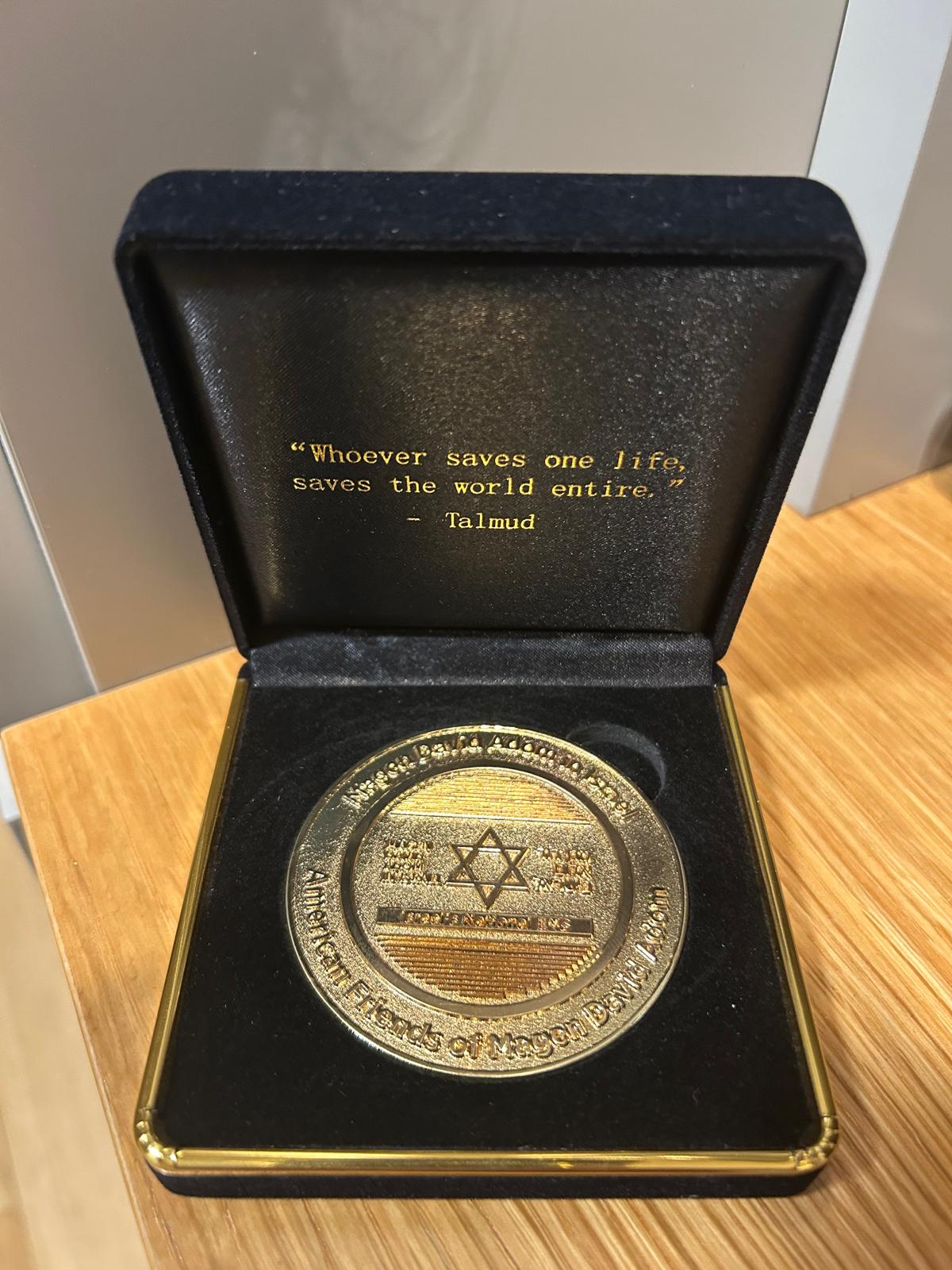
“Whoever saves one life, saves the world entire.” Talmud
A disabled veteran with a wife and four children tried to take his own life, swallowing twenty pills after spending the night helping a friend through a violent panic attack.
I was doing CPR on him in the back of a minibus, racing to the hospital at 100 km/h.
As a disabled veteran, I had the honor of joining a delegation of the Zahal Disabled Veterans Organization (Irgun Nechei Zahal). What was meant to be a routine trip quickly became a moral mission: to support my peers and to bring everyone home safely.
Many NGOs in Israel and abroad organize trips for disabled veterans, offering those living with trauma a chance to step away from daily life and experience care, solidarity, and warmth from Jewish communities overseas. These are structured support journeys that often include veterans coping with severe PTSD, removed from their usual routines and emotional anchors, and relying heavily on peer support rather than continuous medical supervision.
This reflects Israel’s failure to adequately care for the growing number of injured soldiers. Before October 7, more than 8,600 veterans were already officially recognized with PTSD; since the war, claims have surged by over 60%, overwhelming a system never designed for trauma on this scale, as documented in a Knesset research report.
I have many friends with PTSD, but I had never witnessed panic or rage attacks this extreme until this trip. Fear came first, then gave way to sorrow and anger, as I saw firsthand what living with PTSD truly costs. After extreme experiences like October 7, the soul reaches its limit, and reality shifts overnight. If you are lucky, your body remains the same, but your soul never does.
This raises a single question: how can Israel best support the growing number of people living with PTSD and physical disabilities, especially when the true wave has not yet arrived?
What all disabled veterans share is the same dividing line: life before the injury and life after it. People who once supported their families, economically and emotionally, often find themselves unable to be providers anymore.
Young adults who have completed their service are unable to study or travel because of their impairments. The real challenge is rebuilding a life from zero.
But within this crisis lies a clear path forward.
There are two decisive steps that Israel, as a society, must take to restore hope and opportunity to people living with trauma.
The first step is recognizing PTSD as a distinct condition deserving special status, not as a label of weakness, but as a signal for how a person should be treated. It means understanding that the person in front of you cannot withstand stress as others do. It also requires educating the public with basic knowledge on recognizing and responding to panic or rage attacks, just as people are taught to respond to a medical emergency.
I was able to save my friend’s life because I knew how to act; without that knowledge, he might not have survived. Not everyone is trained to perform CPR or emergency medical intervention, nor should they be expected to be. But everyone can, and must know the basics: how to recognize a PTSD episode, how to respond calmly, how not to escalate the situation, and when to seek professional help. Israeli society still struggles to fully accept this disorder, especially when those living with it were once the ones others turned to for help.
The second step must come from the communities themselves. The state and NGOs, however committed, are limited by personnel, funding, and time. Supporting disabled veterans cannot be outsourced entirely to institutions; it is a responsibility shared by every citizen toward those who once stood on the front lines for all of us.
Sometimes support is simple: a phone call to a neighbor, an invitation for a holiday or Shabbat meal, help returning to a former job, or finding a new one that restores a sense of purpose. These gestures rebuild not only lives, but belonging, and belonging is often the first step toward healing.
Israel and its citizens have faced challenges once thought impossible and prevailed. Caring for those who carry the visible and invisible wounds of service is our next test. It is not beyond us. It is achievable. And it is a challenge I am confident we can meet together.