
The Recurring Dance of Allies
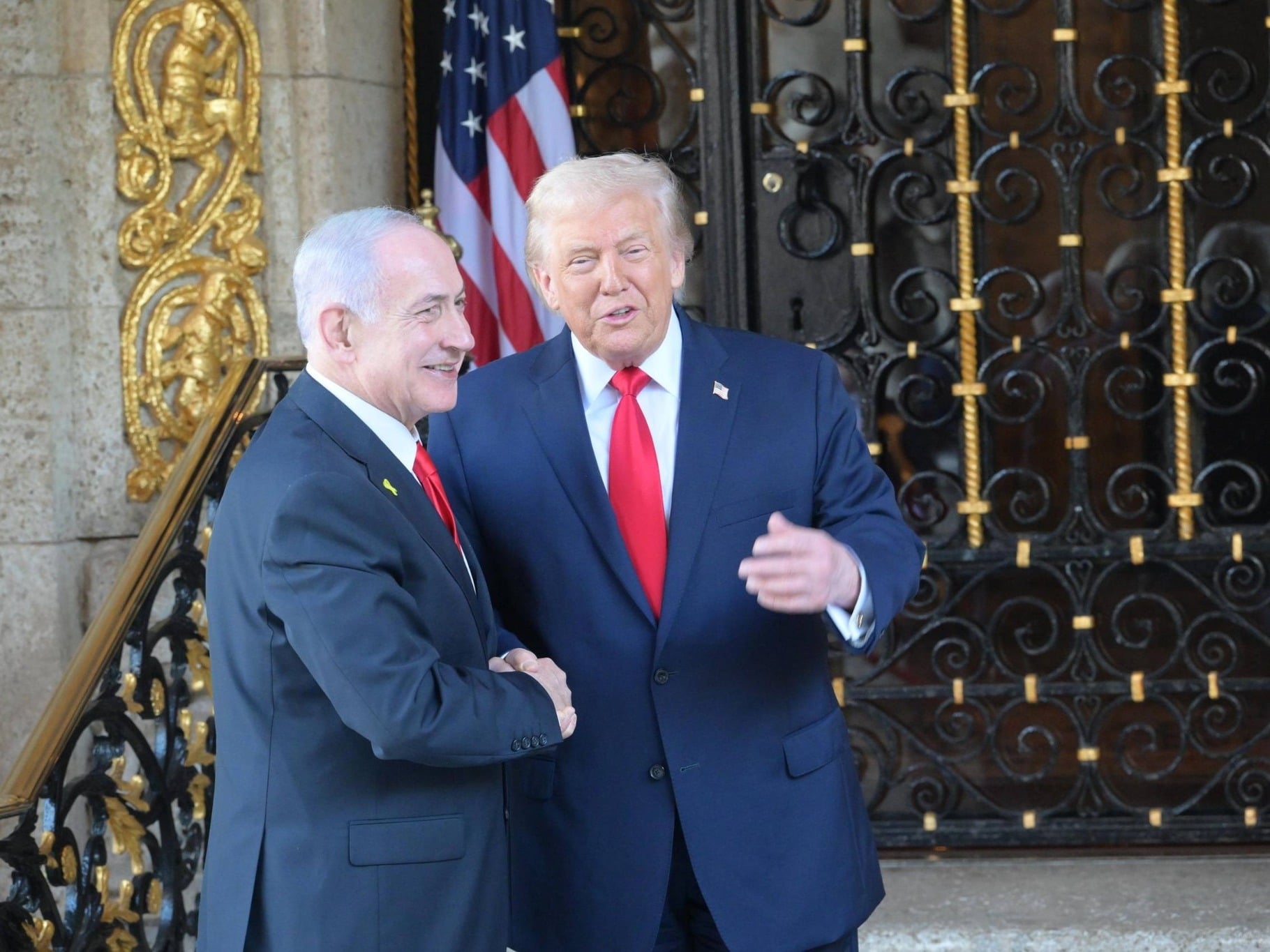
Alliances between the United States and Israel have frequently resembled a tumultuous marriage in the high-stakes world of Middle Eastern geopolitics: intensely devoted, strategically crucial, but prone to explosive disputes.
Reports of yet another tense phone conversation between Israeli Prime Minister Benjamin Netanyahu and President Donald Trump surfaced on June 2, 2026. Numerous sources, including CNN and Axios, claim that Trump lashed out, allegedly using profanity, accusing Netanyahu of being ungrateful, and pressuring Israel to stop planned military operations in Beirut against Hezbollah strongholds.
Fears that increased Israeli actions in Lebanon would undermine his larger diplomatic efforts toward a peace framework or de-escalation with Iran were the root of Trump’s frustration. Netanyahu pushed for more strikes to further weaken Hezbollah in response to political pressure at home and persistent rocket threats. This conversation is not new; it follows a well-known pattern in which US presidents have urged Israeli leaders to exercise moderation during crucial campaigns, frequently putting short-term diplomatic windows ahead of decisive military results.
Historical Echoes: Reagan and Begin in 1982
The most well-known example is the Lebanon War of 1982, which was led by Prime Minister Menachem Begin. Israel advanced into Beirut after invading Lebanon to destroy PLO infrastructure and thwart Syrian influence. The American president Ronald Reagan’s frustration grew as he worried about civilian casualties, regional stability, and U.S. relations with Arab states. In one noteworthy exchange, Reagan allegedly told Begin to stop after intense Israeli bombing of West Beirut, using dramatic language about the humanitarian cost.
Reagan’s administration was split, with some officials supporting Israel’s security needs and others advocating for an immediate Israeli withdrawal. In the end, PLO evacuation and a ceasefire were made possible by U.S. pressure, but the long-term outcomes were uneven. The chaos of the Lebanese civil war gave rise to the powerful Shia militia Hezbollah, supported by Iran. Iran intentionally established its most powerful proxy on Israel’s doorstep as a result of what started out as an Israeli operation to secure its northern border. Reagan’s push for moderation maintained diplomatic channels, at the expense of maintaining a long-term threat, while Begin’s administration was criticized for going too far.
This incident established a pattern: U.S. presidents frequently step in to slow down Israeli momentum just when victory appears possible because they are preoccupied with grand strategy involving several Arab actors and avoiding broader regional conflicts.
Bush, Sharon, and Later Parallels
Similar conflicts with Prime Minister Ariel Sharon emerged during the George W. Bush administration. Bush famously urged Sharon to “do more” to stop violence in the face of Israel’s ongoing terrorist attacks during the Second Intifada and the operations that followed. These demands infuriated Sharon, a hardliner with a military background who saw them as ignorant of the existential dangers Israel faced. Sharon’s demand for swift action against Palestinian militants frequently ran counter to Bush’s emphasis on stabilizing Iraq and pursuing a more comprehensive “road map” for peace.
These incidents highlight a persistent American tendency to interpret Israeli military operations in terms of U.S. diplomatic goals, energy security, and partnerships with Sunni Arab nations. Israeli leaders prioritize removing immediate threats over maintaining negotiating leverage because they have a smaller margin for error and a longer historical memory of vulnerability.
Same Script, Different Stakes
Let’s fast-forward to the present. The background is a complicated web that includes ongoing tensions in Lebanon, direct interactions with Iran, and the fallout from battles with Hamas. Israeli operations against Hezbollah, which targeted rocket sites, leadership, and infrastructure in southern Beirut suburbs, threatened to undo this by inciting Iranian retaliation or hardening Tehran’s stance. In his second term, Trump has pursued agreements with Iran, including possible letters of intent for negotiations on nuclear issues and the Strait of Hormuz.
According to reports, Trump is “steamrolling” Netanyahu while threatening to isolate him and highlighting American assistance as his lifeline. According to reports, Netanyahu gave in, at least momentarily, withdrawing from a significant incursion into Beirut while insisting that Israel would retaliate for any further attacks. Netanyahu was accused by both opposition and right-wing Israeli critics of caving in and making Israel a “client state.”
Trump’s strategy is similar to that of his predecessors in that it emphasizes de-escalation in order to facilitate a “deal.” However, this runs the risk of making the same mistake as in 1982.
The Strategic Case for Finishing the Job Against Hezbollah
Hezbollah is not merely a Lebanese militia; it is Iran’s crown jewel proxy, armed with tens of thousands of rockets, battle-hardened fighters, and deep tunnels, explicitly designed as a forward deterrent and strike force against Israel. Complete destruction—or at minimum, irreversible degradation—of its military capabilities would sever a critical link in Iran’s “Axis of Resistance.”
Iran’s strategy relies on plausible deniability and distributed power projection through proxies (Hezbollah, Hamas, Houthis, Iraqi militias). Weakening or eliminating Hezbollah achieves several interlocking goals:
- Direct blow to Iranian deterrence: Iran loses its most powerful non-nuclear tool to prevent or retaliate against attacks on its nuclear facilities or territory if Hezbollah’s arsenal does not pose a threat to Israel’s domestic front.
- Regional realignment: Sunni Arab states, already wary of Iranian expansionism (as seen in Abraham Accords dynamics), would see a decisive shift. A neutered Hezbollah reduces the risk calculus for normalized relations with Israel.
- Collapse of a wider proxy network: The defeat of Hezbollah indicates weakness along the entire axis. It further isolates Iran when combined with previous losses in Syria and degradations of Hamas.
- Path to Iranian regime pressure: A weakened proxy network forces Iran to choose between costly direct confrontation (which it has historically avoided) or internal retrenchment. Without the protection of strong proxies, persistent military and economic pressure exacerbates internal unrest and may lead to a “final victory”—not necessarily an invasion, but rather the collapse or fundamental change of the Islamic Republic’s aggressive stance.
Forcing Israel to stop short, as in 1982, allows Hezbollah to regroup, rearm via smuggling routes, and reconstitute as a threat. History shows partial victories against such entrenched groups breed future wars. Begin’s campaign, though costly, aimed at strategic transformation; external pressure limited it. Netanyahu risks the same if compelled to pause.
Irony and Long-Term Vision
Ironically, Trump, who during his first term advocated for “peace through strength” and maximum pressure on Iran, is now echoing the tactical caution of his predecessors. Like Begin and Sharon before him, Netanyahu must deal with an ally whose obligations around the world take attention away from Israel’s survival needs.
A decisive Israeli campaign to eliminate Hezbollah’s offensive capabilities, backed by unwavering U.S. support, would not inflame the region indefinitely—it would reshape it. Removing this Iranian proxy link diminishes Tehran’s reach, emboldens moderates in the Gulf, and creates conditions where a genuine, durable deal with a chastened Iran becomes possible. Half-measures preserve the status quo of managed conflict, perpetual rearmament, and recurring crises.
Allies disagree; that’s the nature of sovereign nations with overlapping but not identical interests. Whether short-term diplomatic appearances result in long-term strategic advantages is the litmus test for statesmanship. Allowing Israel to complete the fight against Hezbollah in Lebanon, as in previous instances, might be the difficult but essential route to undermining Iran and achieving wider peace. Whether 2026 repeats the mistakes of 1982 or breaks the cycle will be determined by history.