The report card no one sees
When my children were little, back in Brazil, during the long daily drives between our home in the countryside and the city where their school was, we had an almost fixed playlist of children’s songs. (A quick side note: before completely losing my mind, I adopted the philosophy that “children can listen to grown-up music too,” and thanks to that, they now have the best 80s and 90s repertoire of their entire Gen Alpha generation. But I’m talking about the time before I came up with this brilliant idea.)
One of those songs, by the Brazilian group Palavra Cantada, was basically about how children should have time to simply be children – to play freely instead of carrying so many responsibilities.
It was a funny criticism of the mini-executive routine many parents create for their children: lessons for this, tutoring for that, therapy here, a course over there to improve their chances of getting into a good university 15 years from now…
I loved it. It made perfect sense to me. And it was exactly the kind of mother I was. My children played freely with paint in the backyard, surrounded by animals roaming around, and I was sure it would stay that way forever.
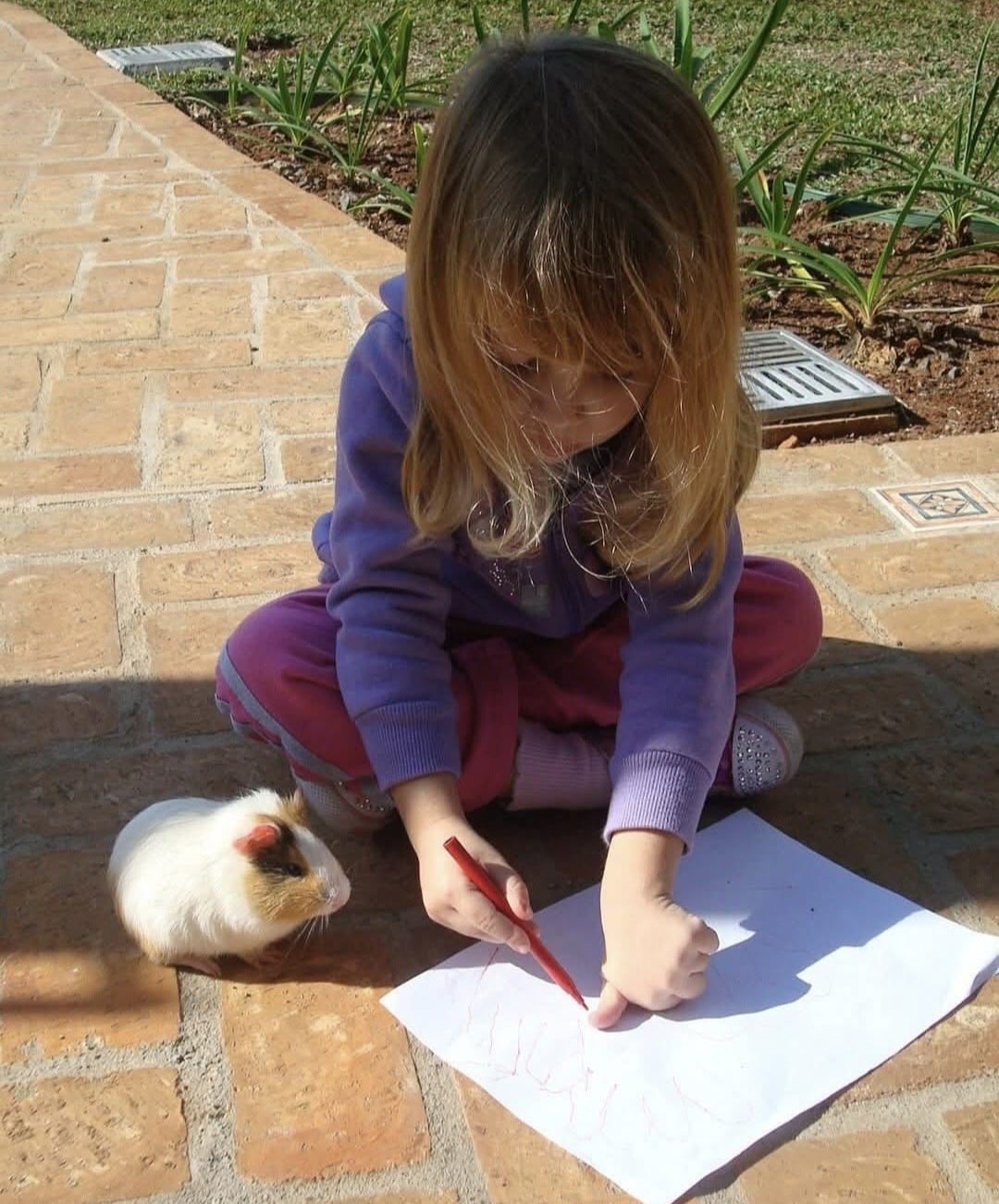
At some point, though, that “forever” expired.
I think it happened when we moved to Israel, because of a combination of things: they were older, I needed to work, they had to stay home alone, and all of this was happening in a country where we barely knew anyone. And, importantly, “productivity” and “excellence” are almost sacred words here, sometimes to an oppressive degree.
Naturally, we got caught up in it.
Of course formal education matters. It opens doors and shapes opportunities. Dedication to school, extracurricular activities, all of that is important, and I’m pretty demanding when it comes to these things.
Still, we chose to live far from the center of the country, where not only life but education itself is more alternative. At the kibbutz school my children attend, being a good human being comes before any other kind of excellence. That forced me to let go of the idea of “perfect” based on predefined standards (the best school in the best city, that sort of thing) and taught me to recognize other ways of preparing them for the world.
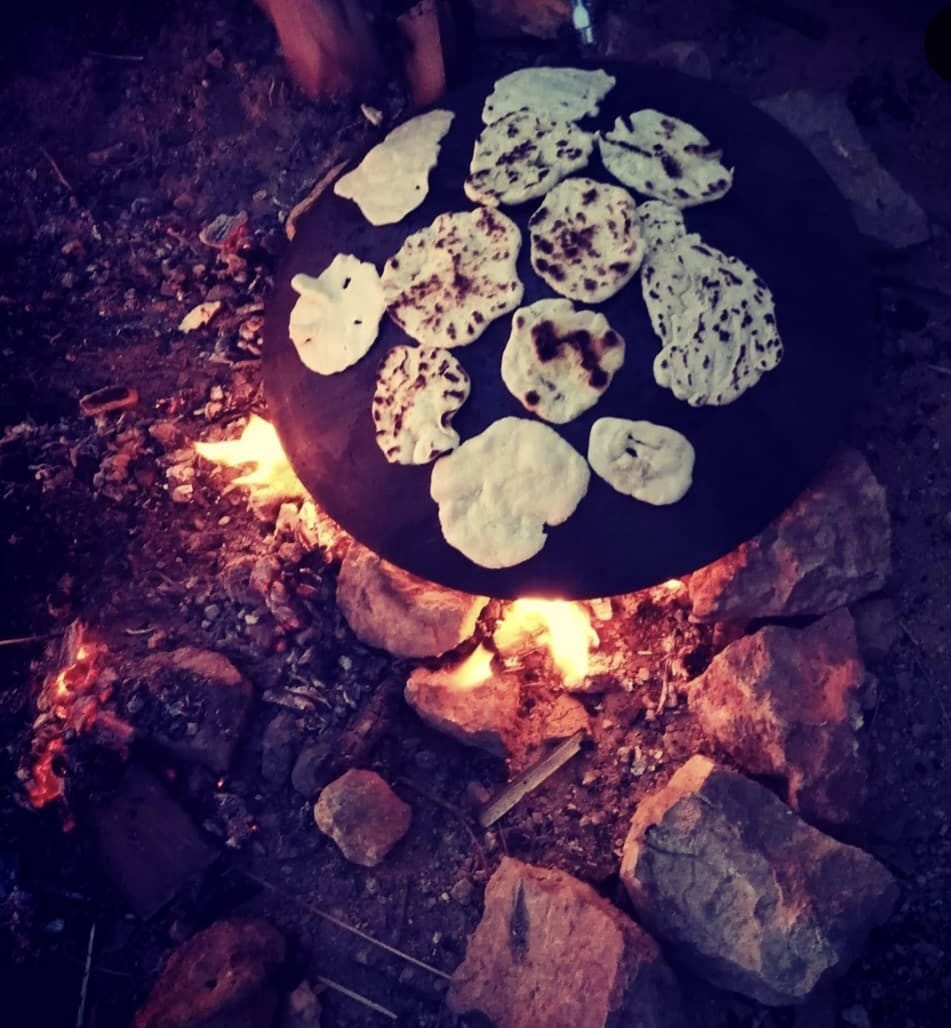
They take school seriously, of course, but they also know how to start a fire and pitch a tent.
They can cook well enough not to starve if I ever decide to run away to Tel Aviv for a week. (Yes, I know. Excellent plan). They know how to manage if they’re dropped off at the other end of the country and need to find their way back. They can identify venomous animals, although I wish they were a little more afraid of them. They know how to use a compass in the desert and underwater. Unfortunately, they also know what to do in a war situation if they’re on their own.
They know how to take buses, trains and planes. They know how to use nails, hammers and saws. Here, almost every teenager learns how to serve customers, look people in the eye and develop social skills while earning their own money.
The truth is, “independence” is another non-negotiable word in this country.
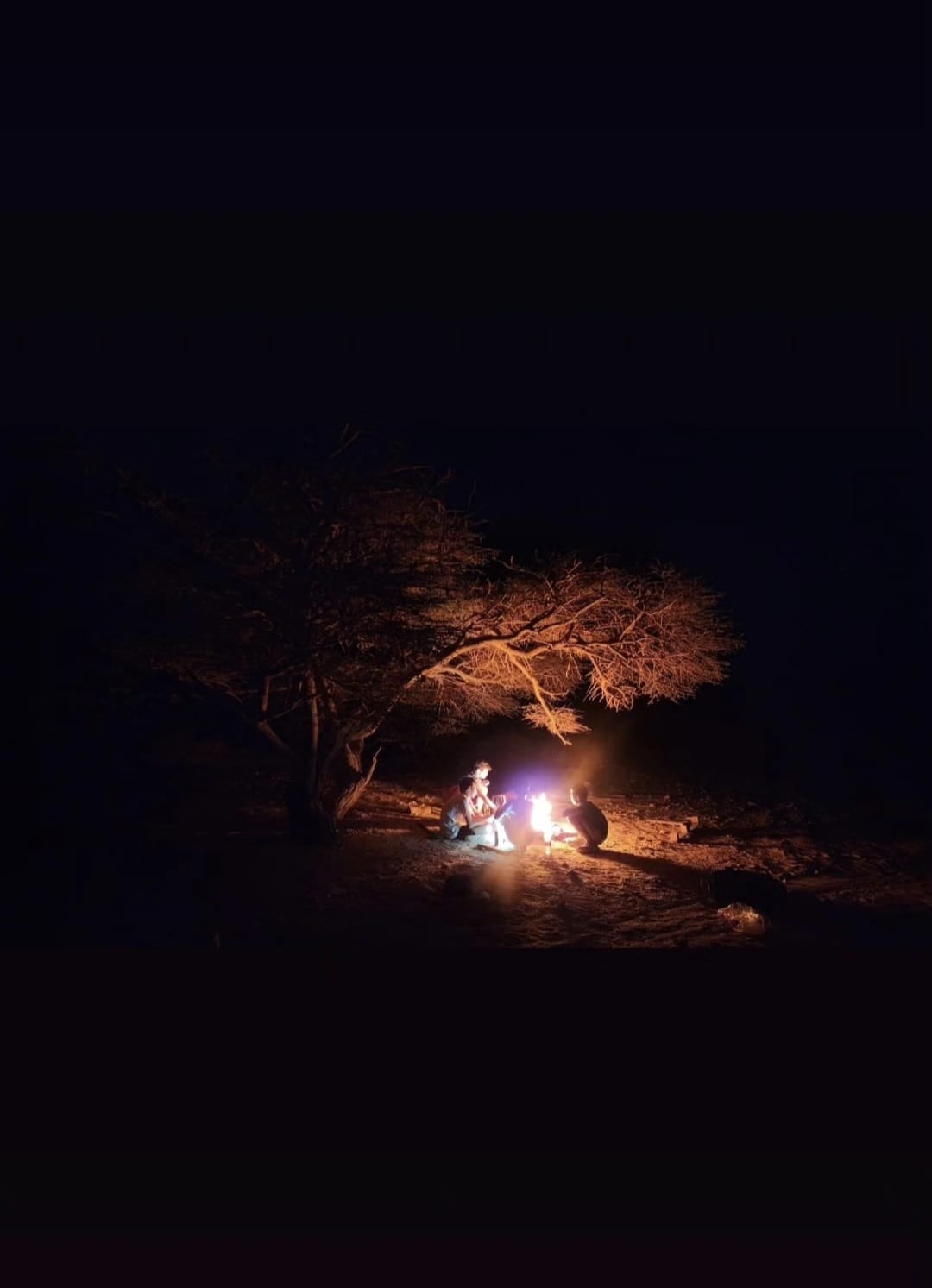
Little by little, I realized that while I was holding on to report cards, final grades and collective expectations, life was offering them another kind of knowledge.
The kind of learning that never appears on a report card but shows up in the way they deal with the world, with other people and with the unexpected.
And although I’m still pretty annoying when it comes to “academic excellence,” I’ve become a fan again of that other side of myself – the Nurit-mom from the early days, who believed in the value of what is essential.
In the end, raising capable, functional adults opens plenty of doors too. Perhaps even more important ones.
At 18, when they leave home for the army and for life beyond it, they won’t need only good grades. They’ll need emotional resources, independence, the ability to deal with everyday challenges, to make decisions, and to take care of themselves and others.
And that’s where the two sides finally meet.
Getting an A is wonderful.
Knowing how to fry an egg – and much more than that – is too.