Connecting Israel to the world through language, culture and technology
Featured Post
Between memory and history
My Hebrew students weren’t alive on September 11, 2001. If memory is to survive as more than a date in a textbook, I have to teach them the vocabulary to pass it on
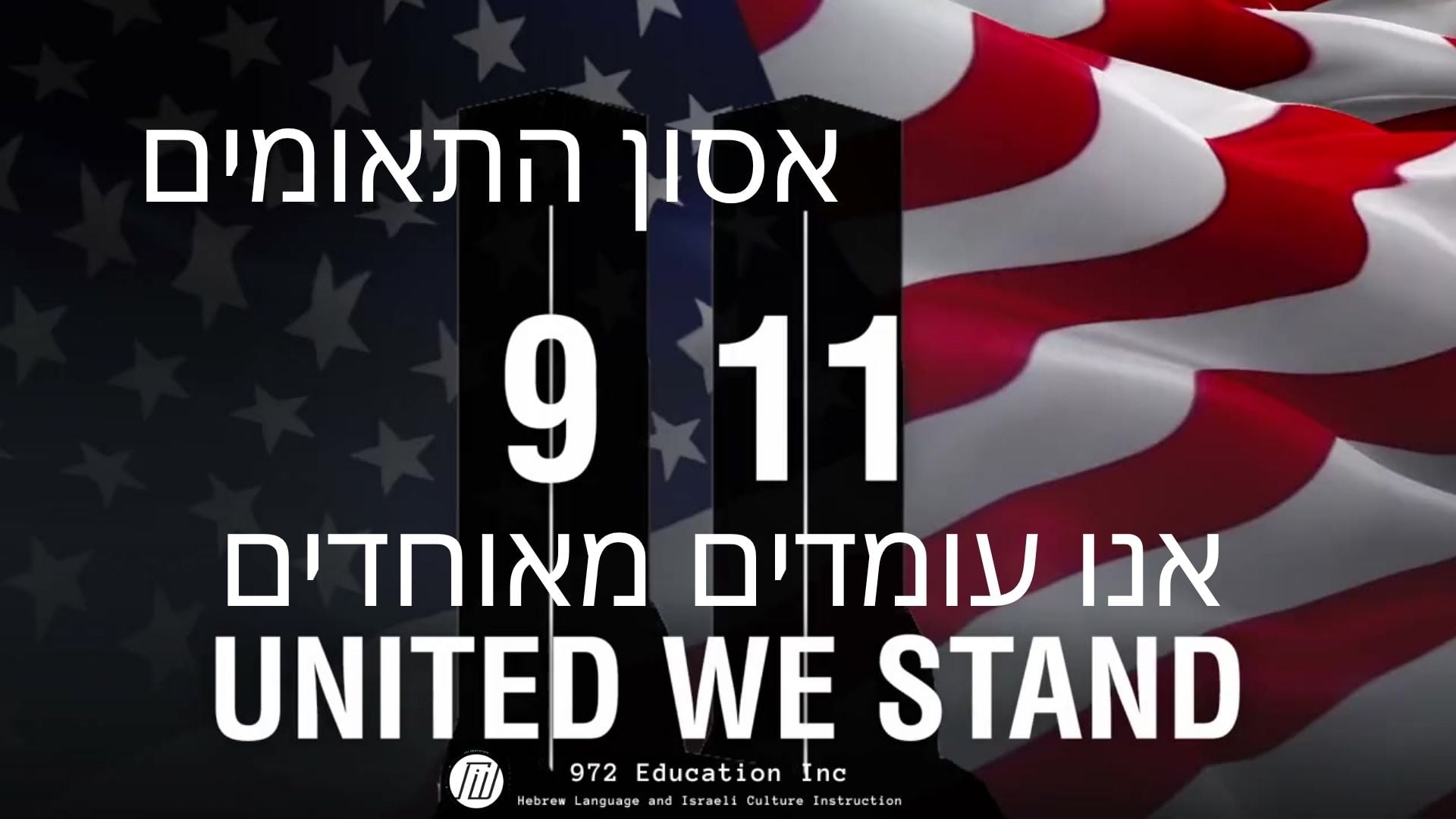
Credit: Orly Lavi Travish
Every year on September 11, I make space for this day in my Hebrew language classroom. This year, the date carries an especially deep resonance as it marks 25 years since the attacks, coinciding with Rosh Hashanah, the Jewish New Year.
For Jewish families who lost loved ones on 9/11, this season has held a profound dual meaning ever since, blending renewal with enduring remembrance. Yet what strikes me most acutely in the classroom is that most of my students were not even born when it happened. For them, September 11, 2001, is distant history, while for me, it remains a vivid living memory.
I still remember where I was. Living in Israel at the time, my routine included watching “Five with Rafi Reshef” to follow daily events. When the broadcast was interrupted by images of smoke rising from the towers, followed by the second plane, it felt entirely unbelievable. Today, as an educator working with emerging technology, I view that disbelief through a very different lens. When we encounter an astonishing video or photo now, our immediate instinct in the era of artificial intelligence is to question its authenticity, asking whether it is synthetic, altered, or a deepfake.
In 2001, those doubts did not exist. There was no technological framework to explain away the unthinkable. We were witnessing history unfold in real time, completely unaware of how the day would end. My students watched that footage knowing the towers fell and understanding the full scope of 9/11, but we experienced those hours in pure uncertainty, simply trying to understand.
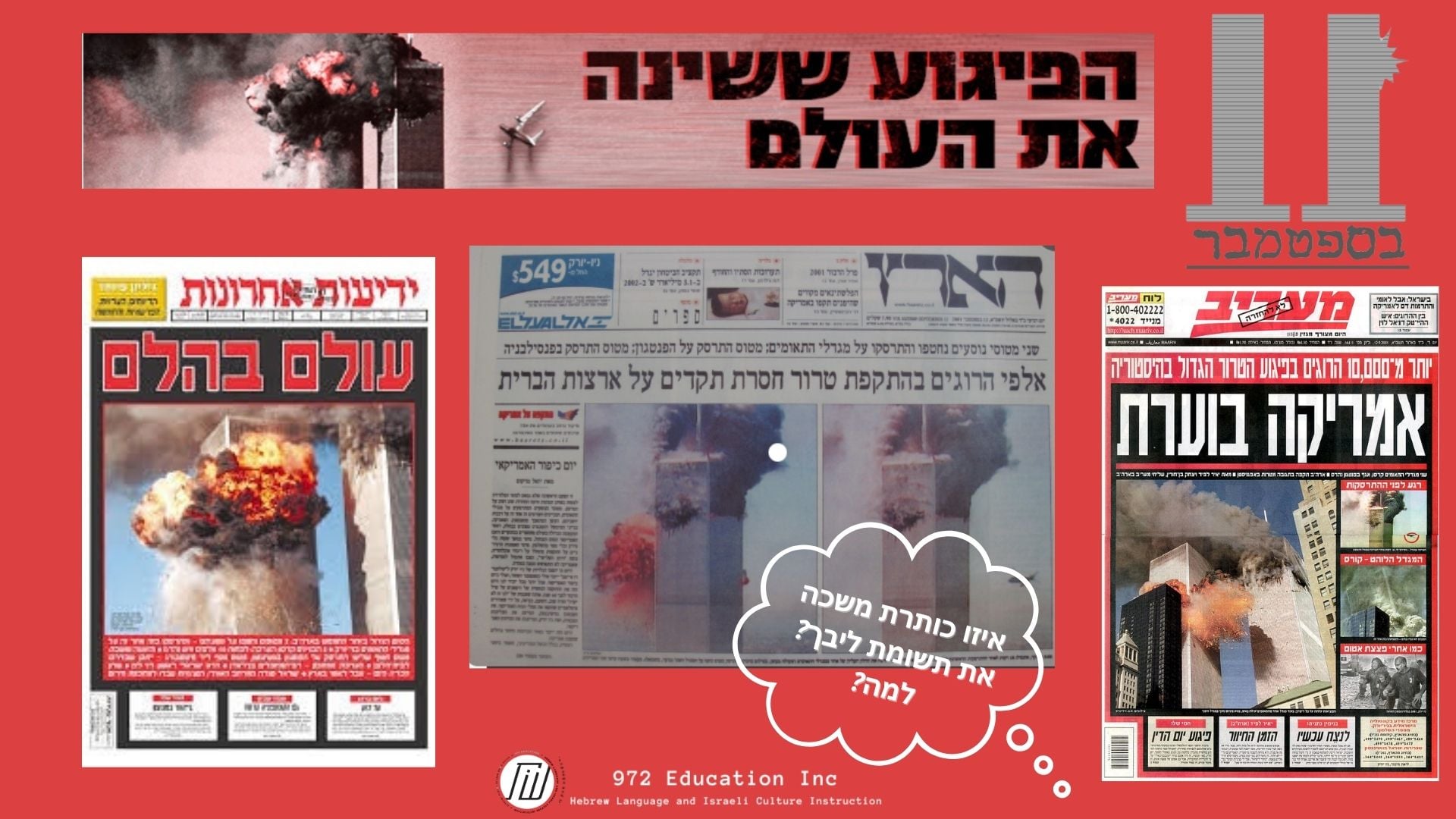
That divide between living memory and historical fact highlights why collective memory never passes down on its own. Without deliberate storytelling, significant events risk fading into mere dates on a page. People often wonder why this conversation belongs in a Hebrew language class, but language never exists in a vacuum. Beyond grammar, vocabulary, and sentence structures, language is the primary vehicle that carries culture, identity, grief, resilience, and personal narrative across generations. Rather than reducing 9/11 to a standard reading comprehension passage with multiple-choice questions, I want my students to listen to genuine human testimonies, ask meaningful questions, and build the linguistic capacity to respond with empathy.
This educational mission becomes vital in a world shaped by generative artificial intelligence. For the generation growing up today, seeing is no longer proof of reality, since voices can be cloned and historical imagery can be manufactured out of nothing. As educators, our role must go beyond teaching what happened to helping students evaluate sources, verify authenticity, and recognize true historical evidence. In an age where digital tools can easily fabricate the past, human witness and primary accounts gain immeasurable worth.
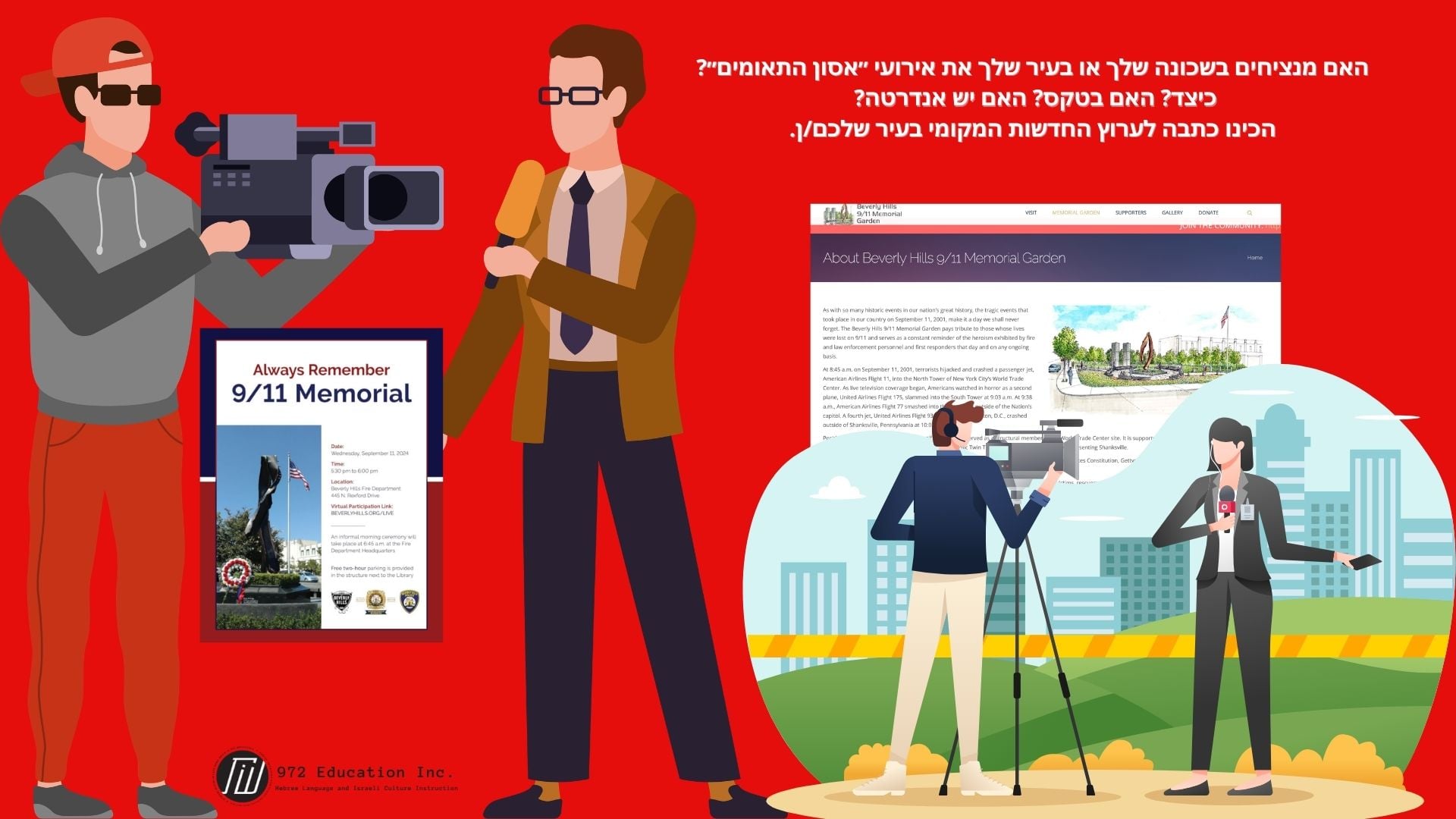
Twenty-five years later, as September 11 and Rosh Hashanah meet, the core Jewish call of the season invites us to reflect on the past and decide what values we carry forward. At my holiday table this Rosh Hashanah, amidst the blessings for a sweet and peaceful new year, I will hold space for 9/11 and keep in my heart the families who were left with an enduring void.
When I speak with my students about watching the news in Israel that afternoon, I remind them of that crucial difference: they already know the outcome of that day, but we had to live through the unknown. Ensuring that history remains understood as lived human experience requires someone to share the journey, and that bridge can begin right inside the language classroom.
Shana Tova U’Metuka, may it be a year of peace, healing, and meaningful connection.
#972education #hebrewasasecondlanguage #israeliculture #aiinthelanguageclassroom #timesofisrael #roshhashanah #collectivememory #jewishedtech
Related Topics
Related Posts