Evaluating Sustainable Wellness Hospitality
The Return of the Convalescent: Finding ‘Slowness’ in the Galilee Forest
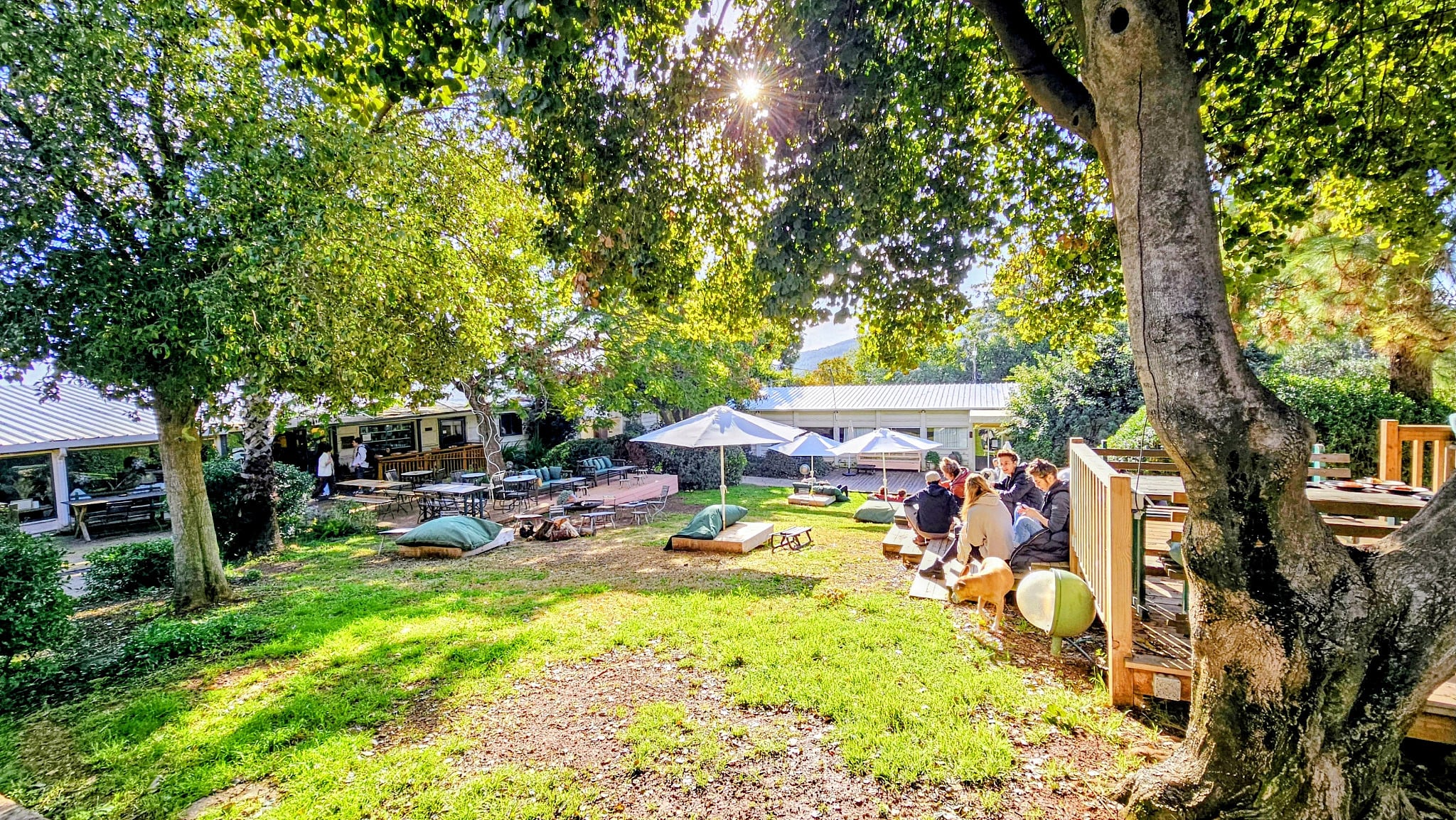
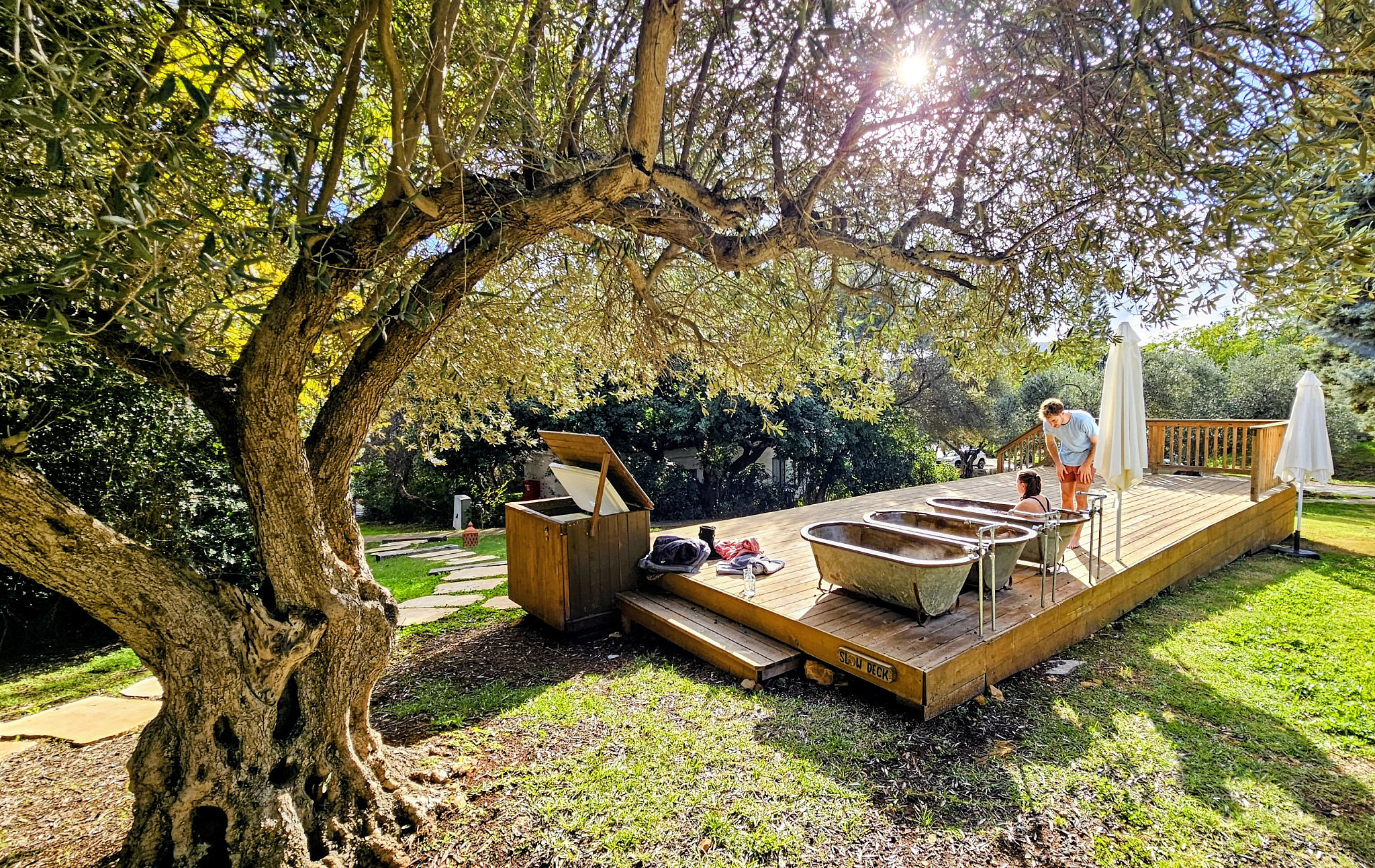
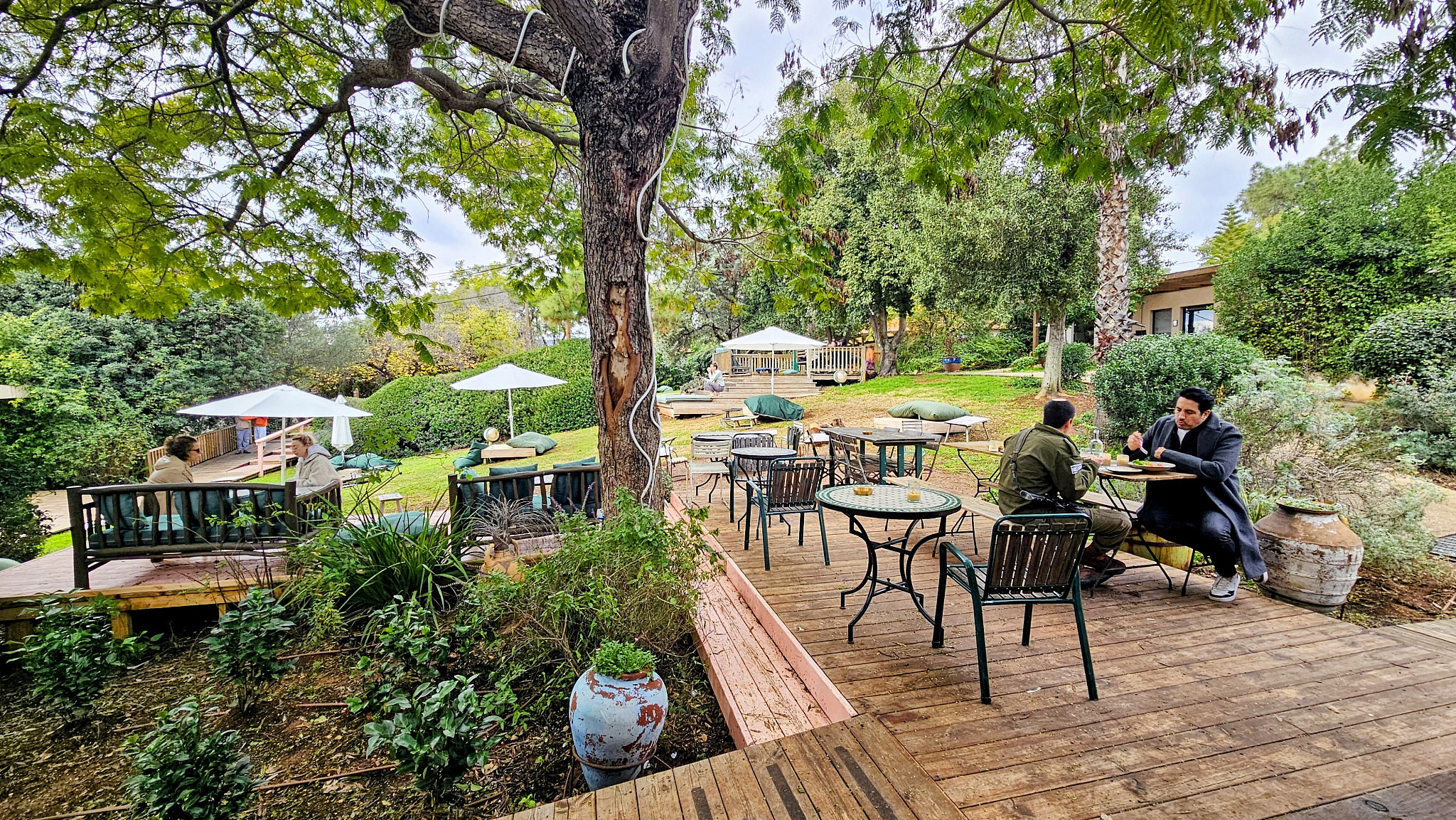
Young adults sit beside winter umbrellas on the forest-side deck at Slowness, soaking in the quiet, pastoral atmosphere as soft sunlight filters through the trees.
Photo credit: Noam Bedein (except mentioned otherwise)
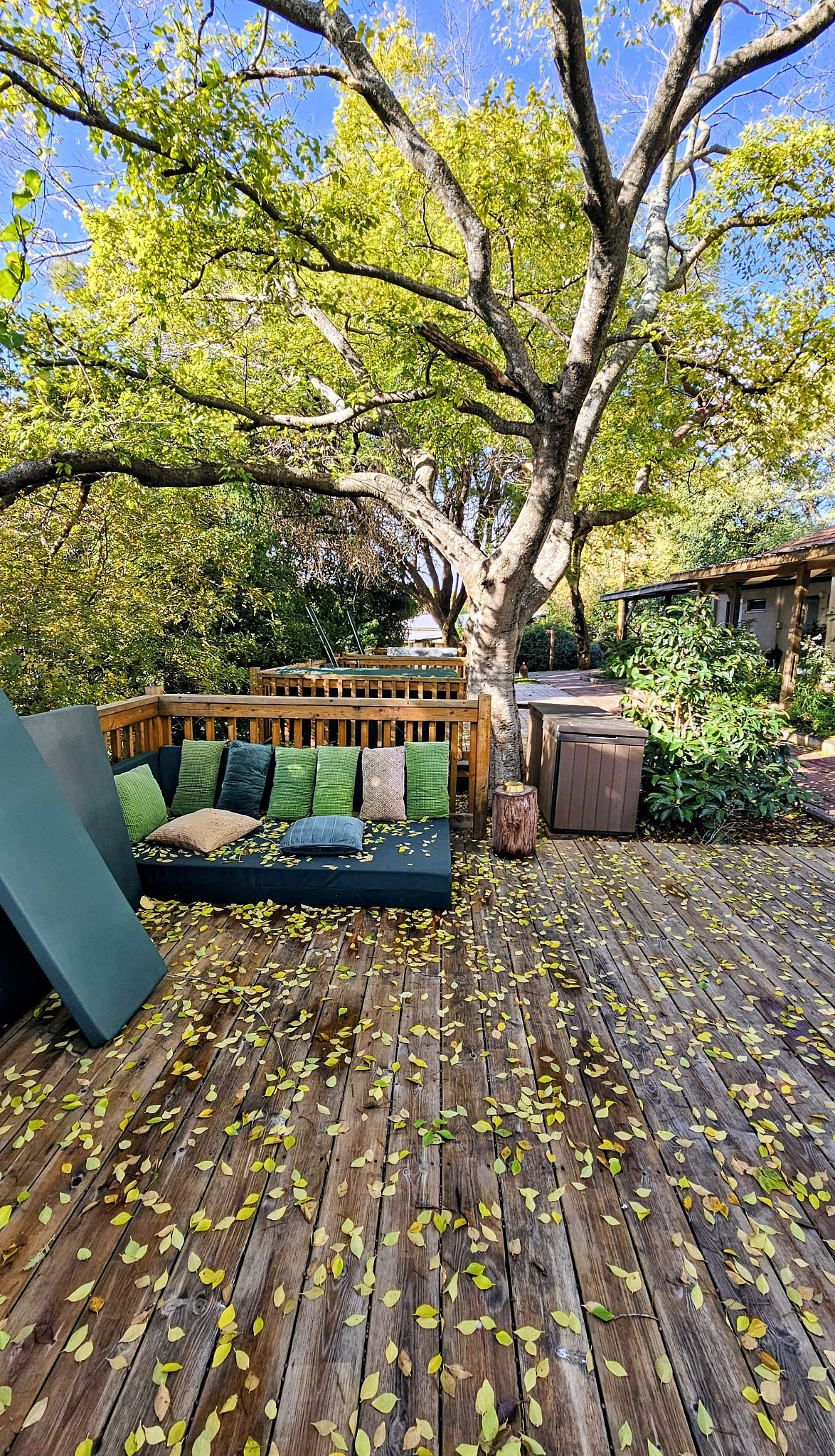 We arrived at Kibbutz Moran slowly, because the rain insisted on it.
The road into the Lower Galilee was slick and gray, the forest dense and soaked—the kind of weather that asks you to ease off the accelerator and pay attention. By the time we reached Slowness, our clothes were damp and our pace already altered. In a country that has spent the last few years operating at a high-decibel alert, the rain felt less like an obstacle and more like an invitation to stop scanning.
 Not a Hotel, a Condition
Slowness is not a hotel, nor is it a traditional “wellness” resort. It describes itself as a Healing Village, a term that initially felt like marketing until I stepped into the forest.
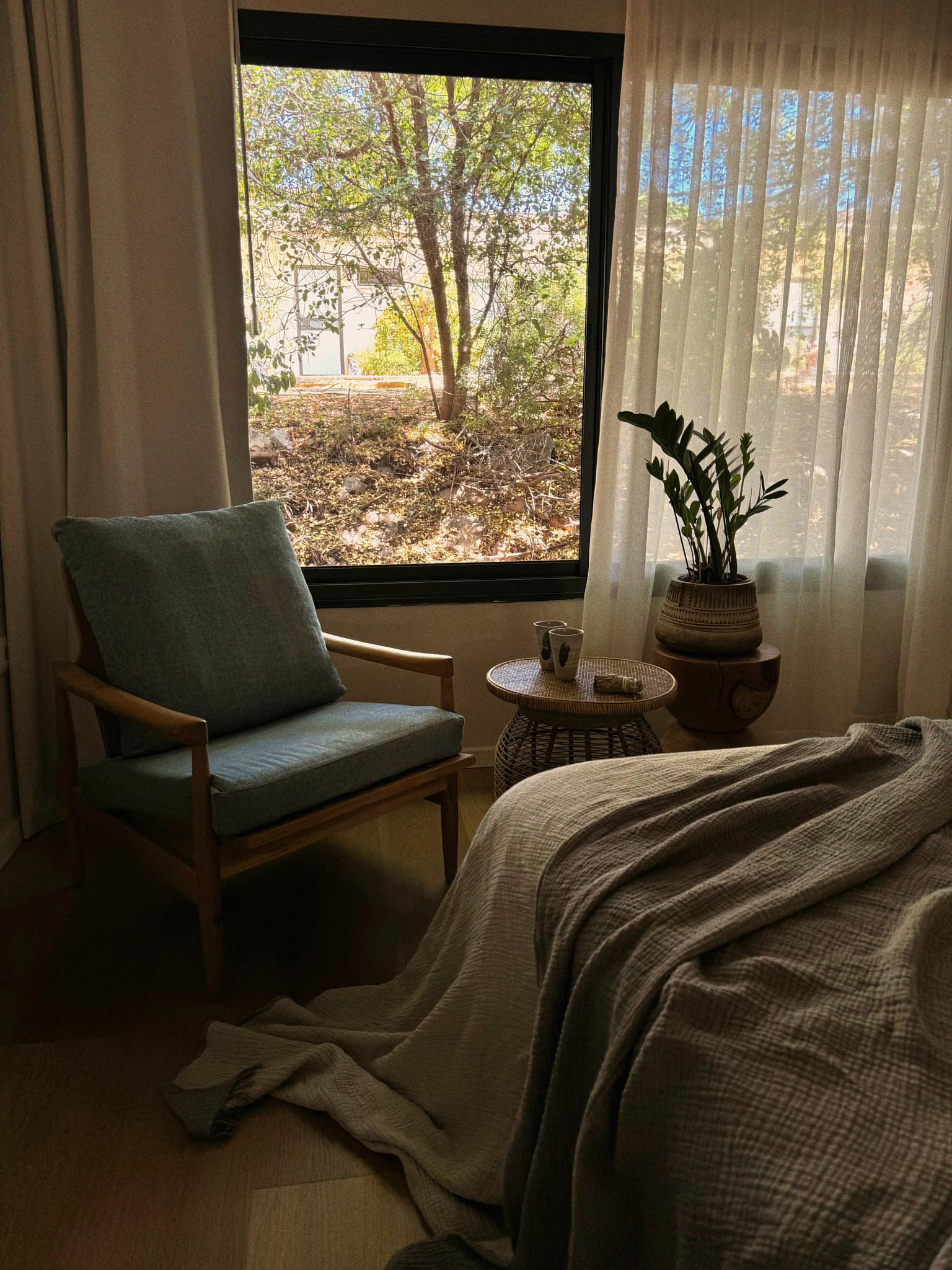
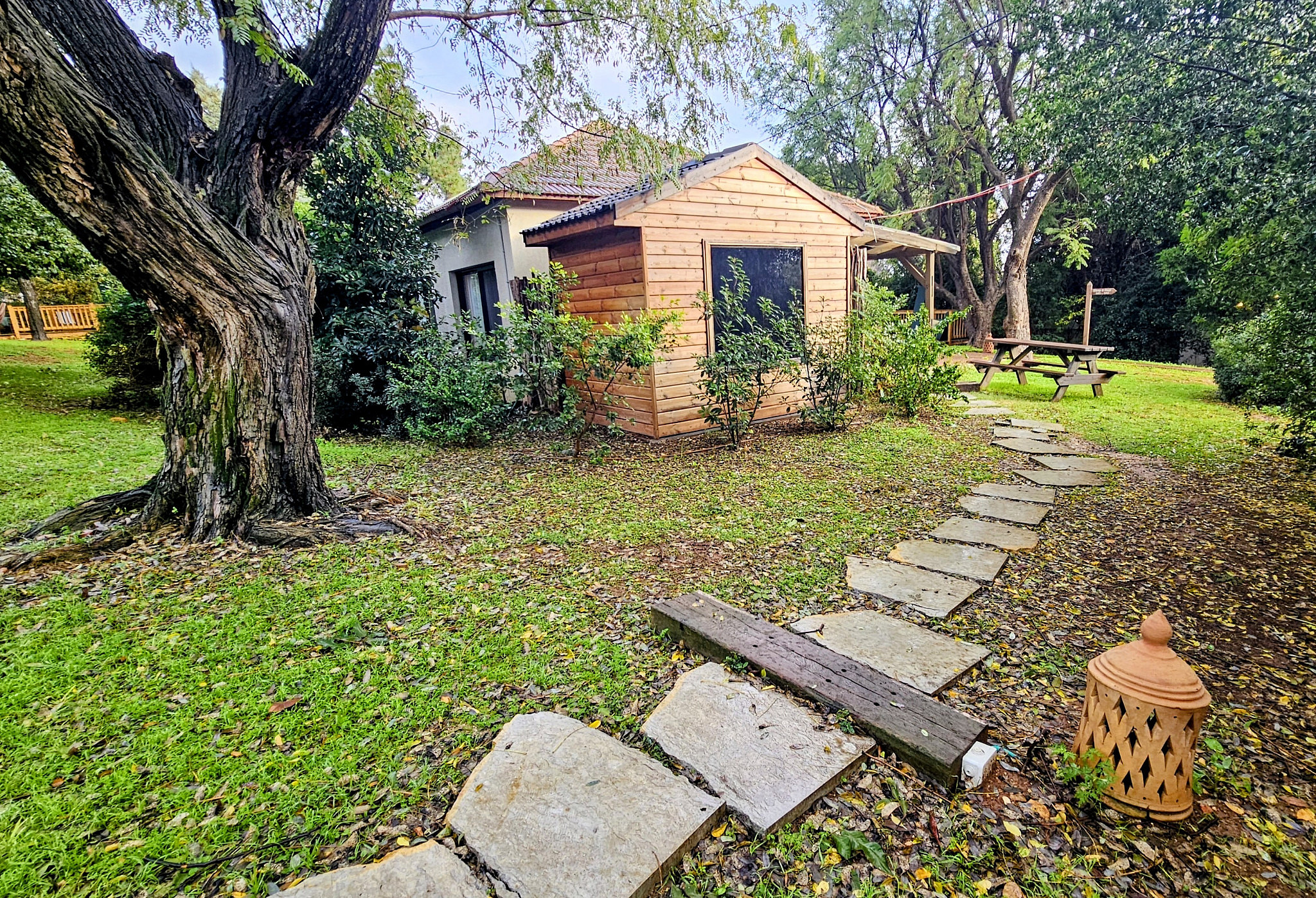
The architecture, led by Hagit Emma Werner and Yael Hirsch Spiegel, is an exercise in restraint. They took an old guesthouse and a communal kitchen and stripped away the noise. The rooms are simple, modern kibbutz cabins—cotton linens, ecological toiletries, and a deliberate absence of screens. There is no loud lobby, no scripted greeting. Instead, there is the atmosphere of a condition you enter: a concentration of the Galilee itself.
( photo credit: RNI Films)
 The Revival of the Beit Havra’a
To understand why Slowness matters in 2026, one must look at the lineage of the Israeli Beit Havra’a (convalescent home). In the early decades of the state, recovery was woven into the national fabric. The Histadrut established retreats like the Mivtachim Sanitarium, where workers were sent to simply… be. Rest was treated as a prerequisite for productivity and survival.
Over the decades, we traded these recovery spaces for high-gloss luxury hotels. But in the wake of prolonged national trauma, that older instinct has returned. Slowness founder Eli Sha’ked, the son of a father wounded in the Six-Day War, grew up around Ministry of Defense convalescent environments. He understood that healing isn’t built on luxury; it’s built on the removal of distractions that keep the nervous system on alert.
He uses the word “nonchalant” to describe the service. A staff member might show up in an army “end-of-course” T-shirt. The job isn’t to bow to the guest; the job is to host, with the warmth of a neighbor. In a society living in a state of “brace yourself,” this lack of performance is part of the clinical intervention.
 Presence in Discomfort: The Cold and the Breath
As someone who explores wellness models across the globe, I’ve found that the most effective restoration often comes through challenge. At Slowness, this takes the form of cold exposure.
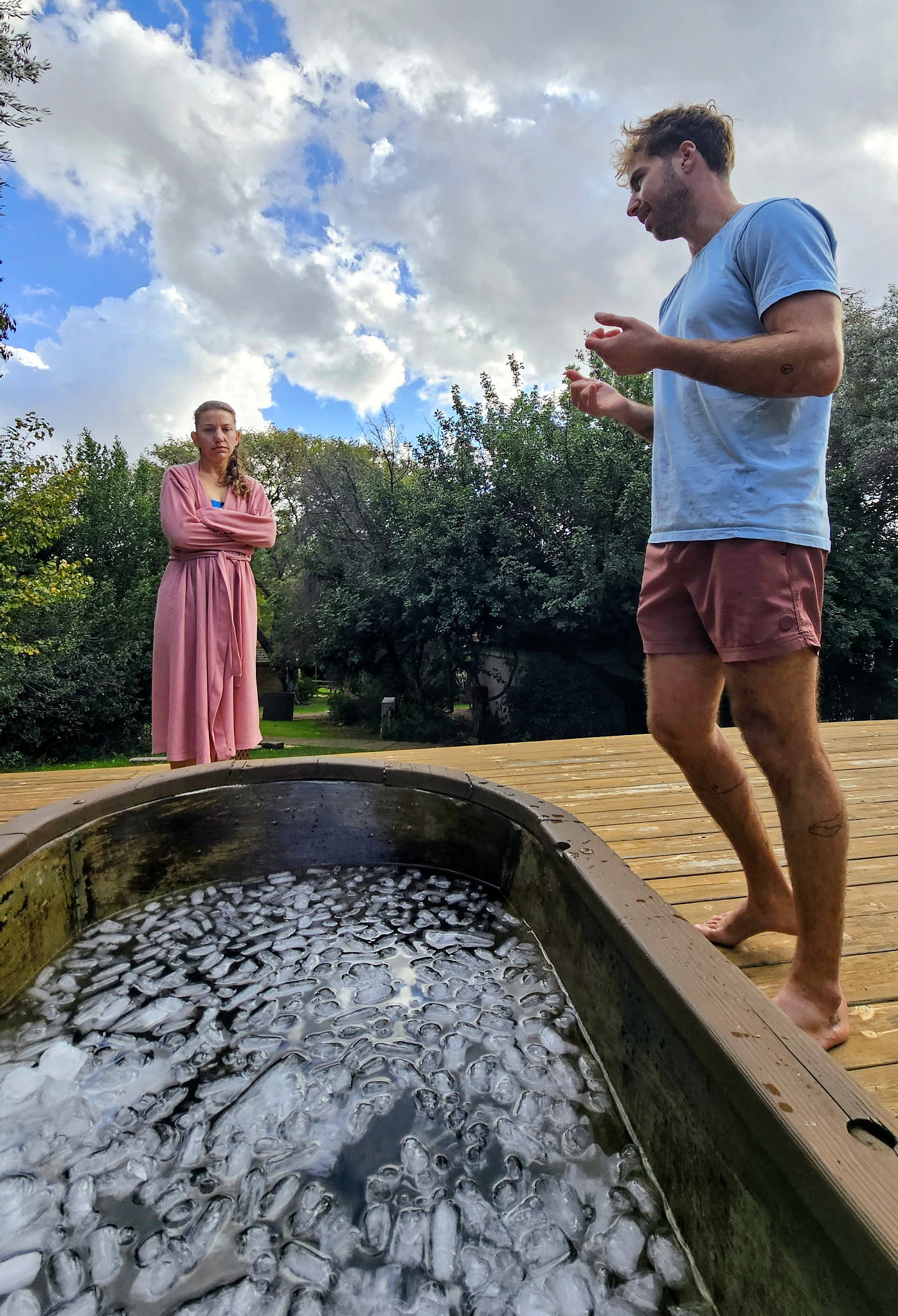
Led by practitioner Itay Alon, we moved from the warmth of the forest sauna to the silence of an ice bath. Itay frames the first 45 seconds—the window where the body screams to flee—as the decisive moment for the autonomic nervous system. He calls it “presence in comfort.” The comfort doesn’t come because the water gets warm; it comes because the mind stops interpreting sensation as danger.
In Israel right now, this is infrastructure. We live in a country where the body remembers what it’s like to wait for a siren even when the sky is clear. This training—learning how to return the heart rate to baseline under stress—is a metaphor for the resilience we are all trying to build.
 The Kitchen as Dialogue
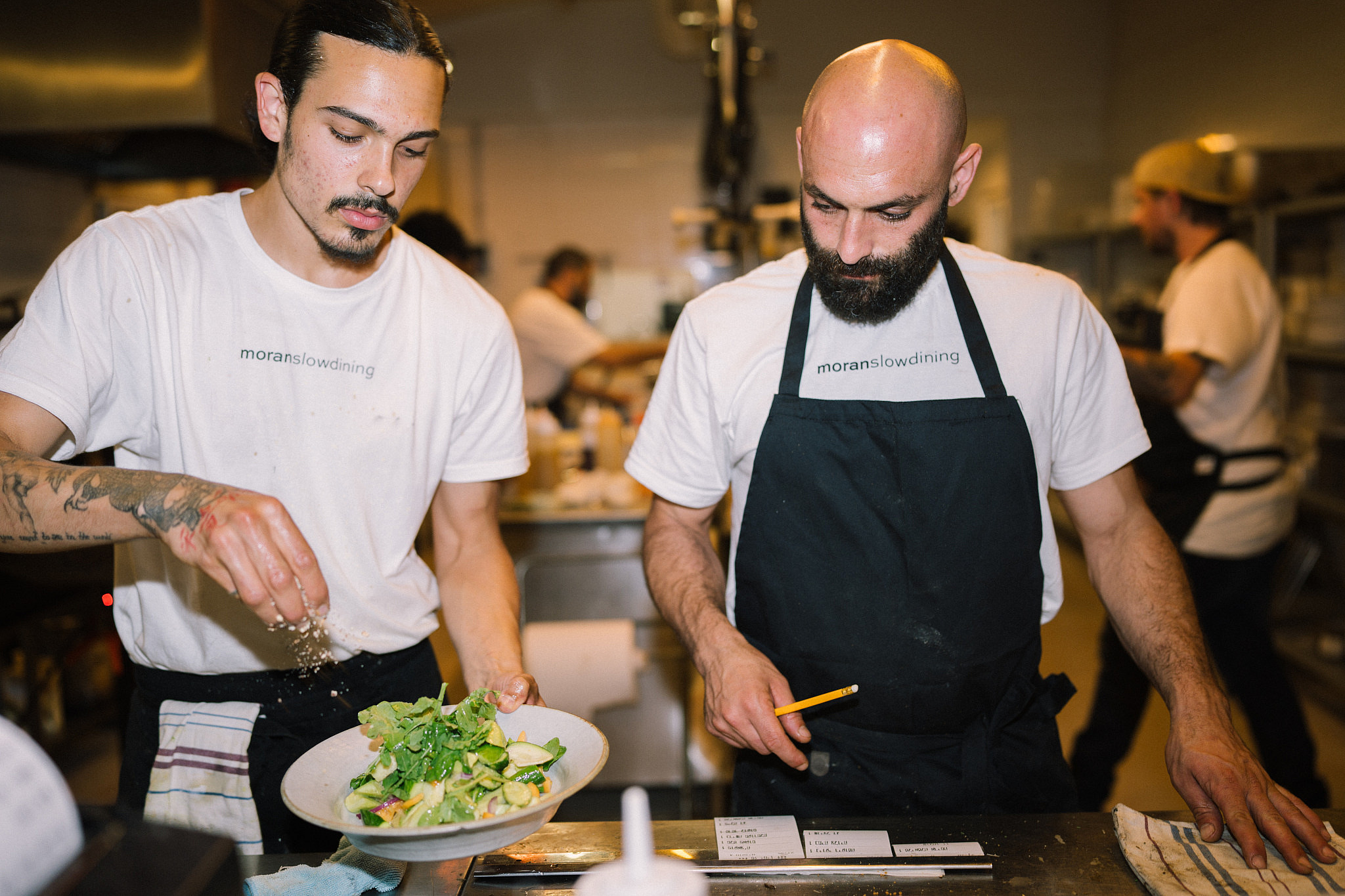
The healing at Slowness extends to the communal table. Chef Nitay Yahalom, a Moran native who returned home after years in Tel Aviv, has built a kitchen based on respect rather than theatrics.
(Photo credit: Yuli Lubish)
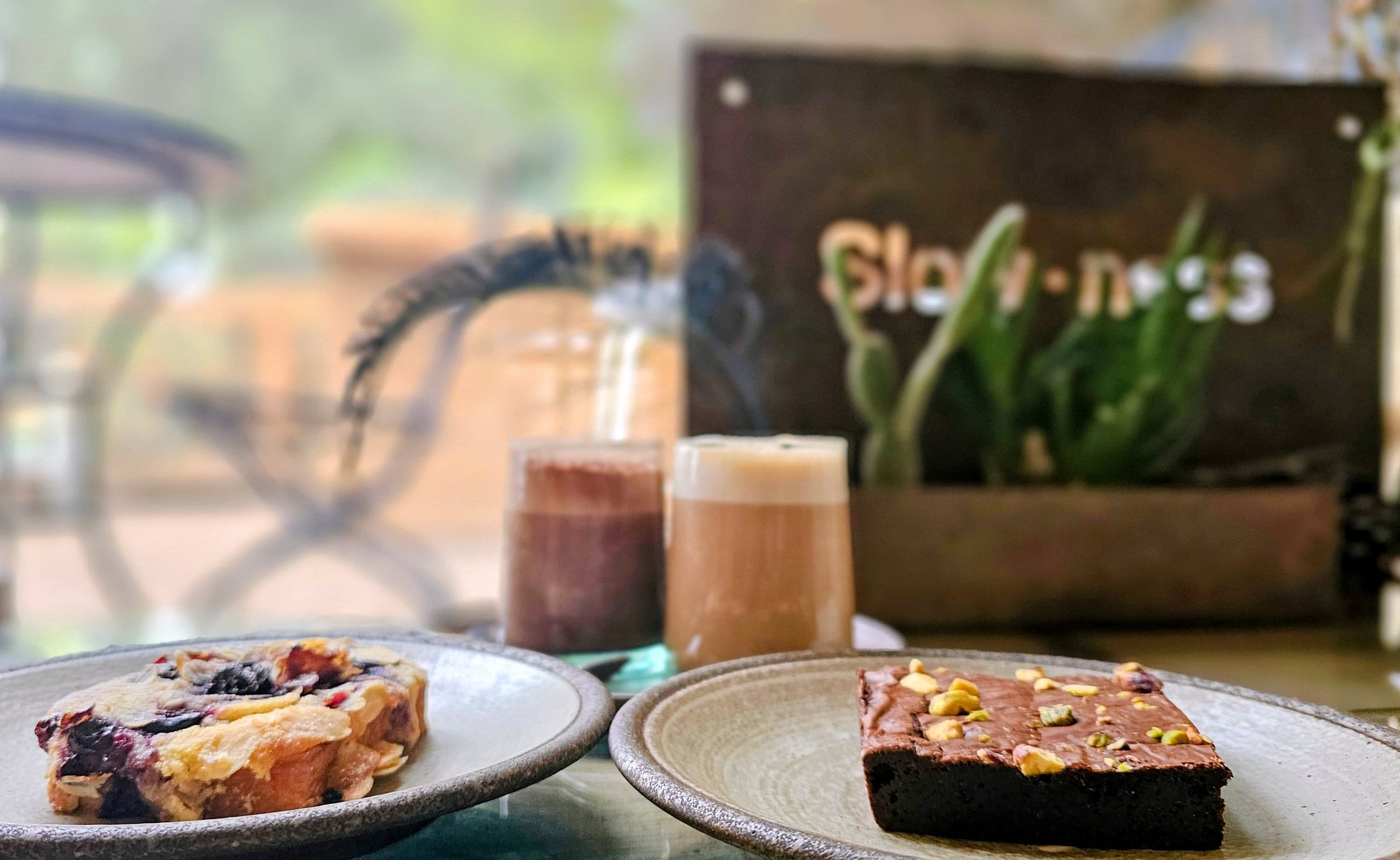
The menu is fish and plant-based, making it inclusive without needing a formal “Kosher” brand. But the true depth lies in its dialogue with the region. This is Galilee food: yogurt-based “Ottoman Caesars” and foraged greens that change with the rain. Nitay learns from nearby Arab, Druze, and Muslim villages, translating regional flavors into a culinary language that feels like a shared breath. It is a reminder that the Galilee’s diverse fabric is its greatest source of strength.
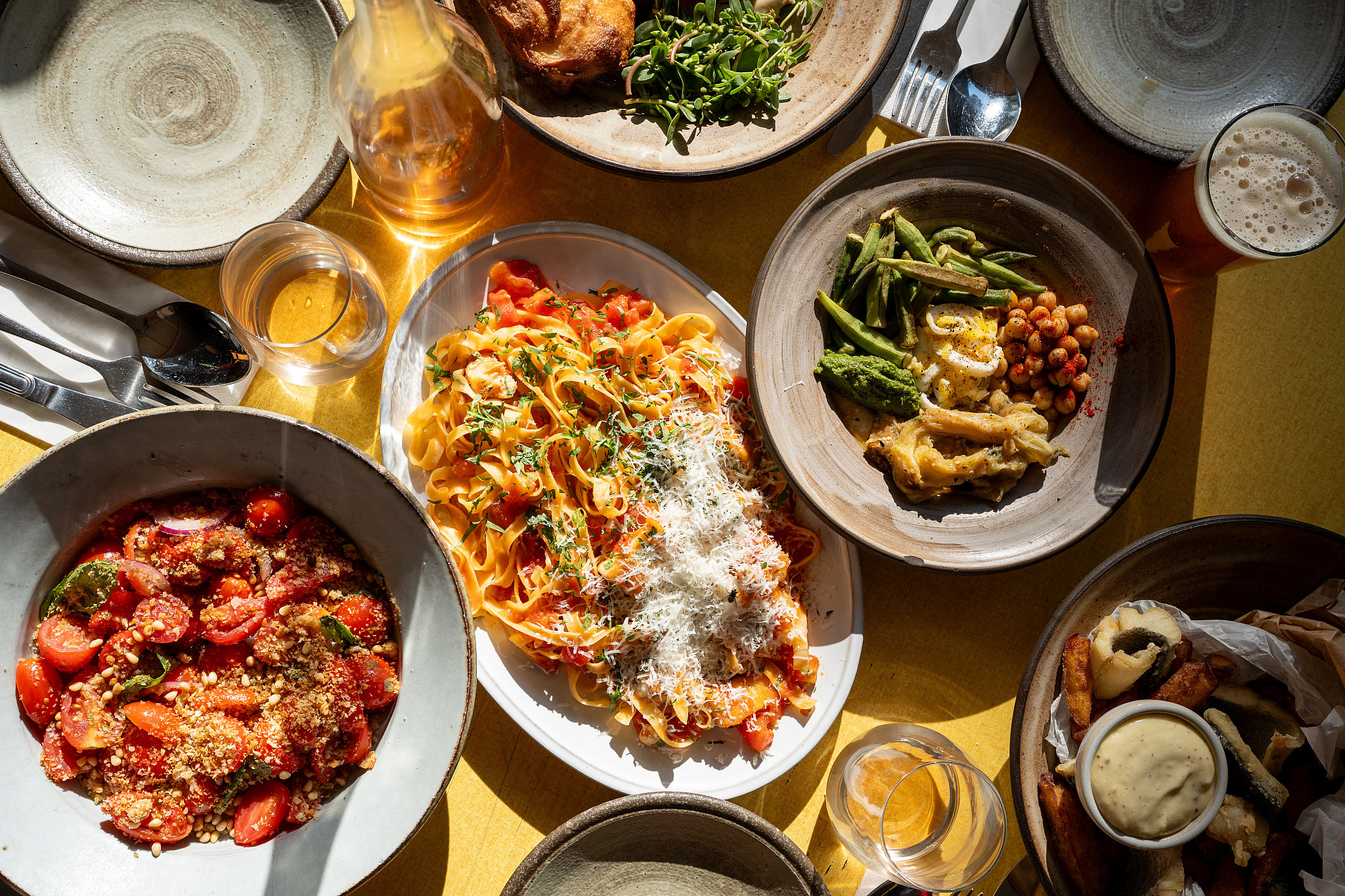 (credit: Yuli Lubish)
 A Container for War and Recovery
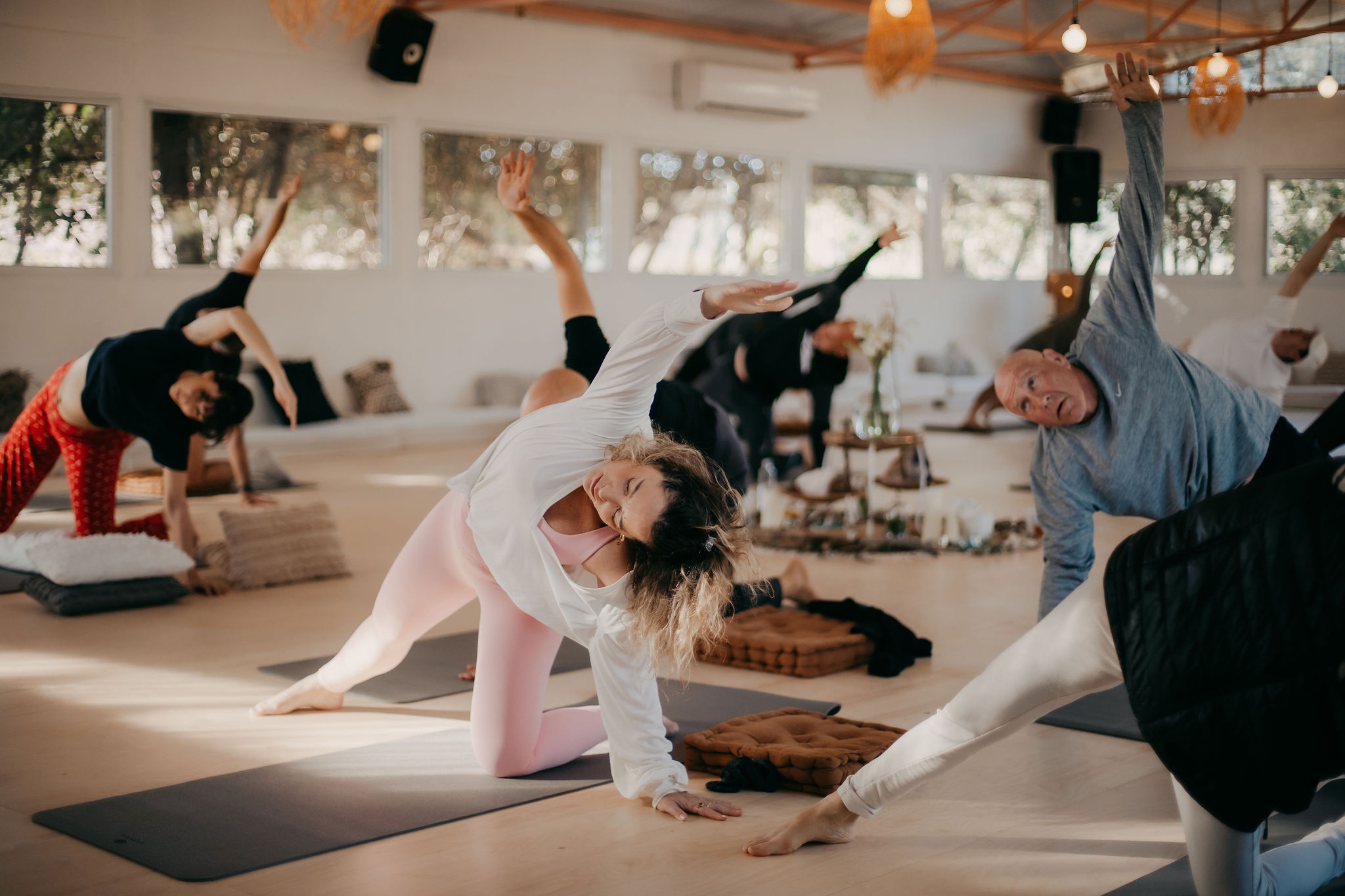
The journalistic weight of Slowness became clear after October 7. The complex pivoted from a boutique retreat to a communal refuge, hosting evacuees and survivors from the Nova festival.
(photo credit: Carlie Sings)
I spoke with Meital Shapira, a director at CMBM, which held retreats here for psychologists from northern Israel—clinicians carrying the double load of personal threat and their patients’ trauma. “Place itself is part of the intervention,” she told me. When the environment creates a sense of safety, the work of processing can finally begin.
Even the manager, Sahar Turgeman, represents this cycle. A Moran native who recently married, Sahar has served hundreds of days in the reserves. He continues to offer “1+1” benefits for reservists and their spouses, ensuring that those who have been “holding” the country have a place to be held.
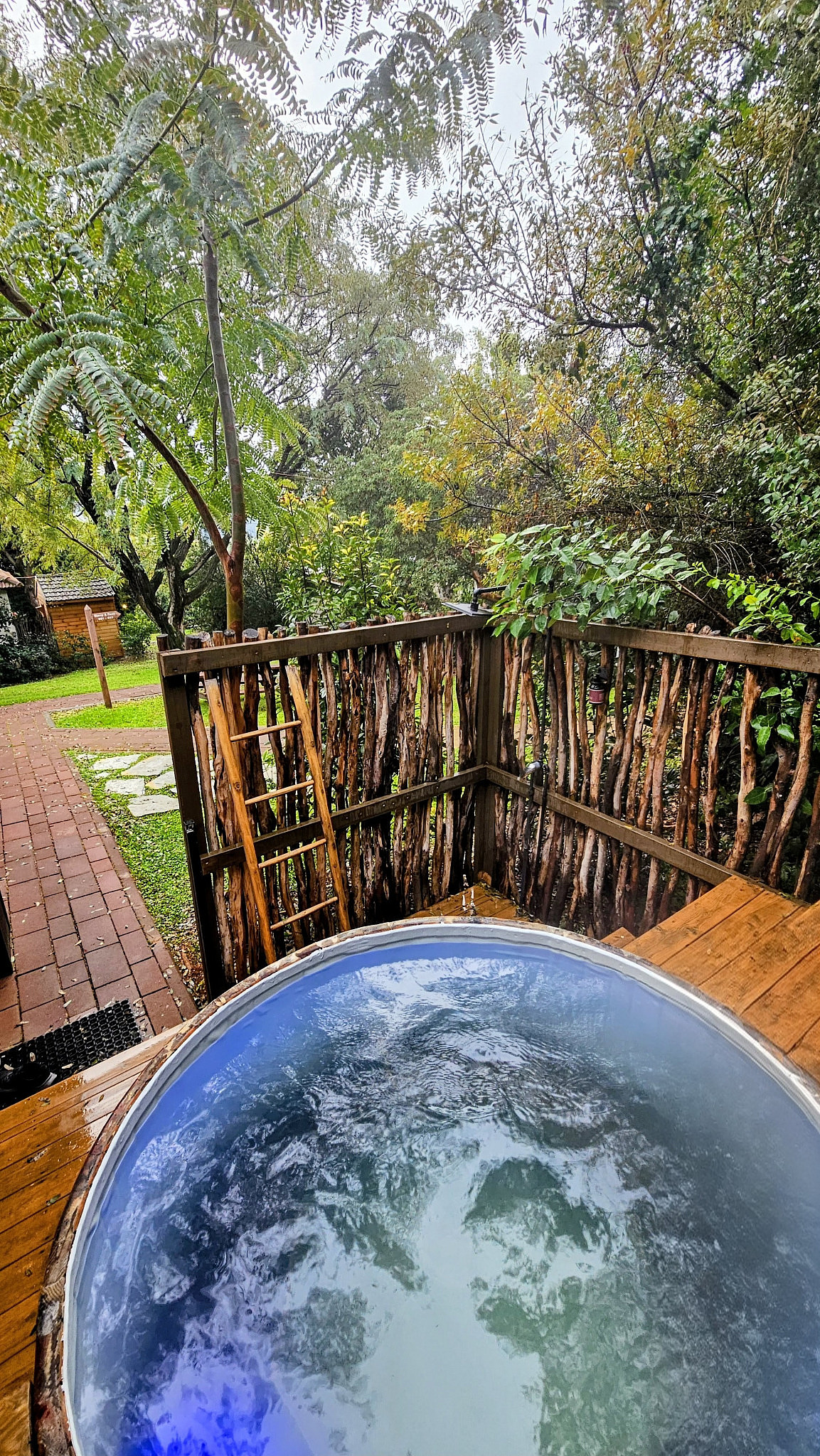 The Forest as First Therapist
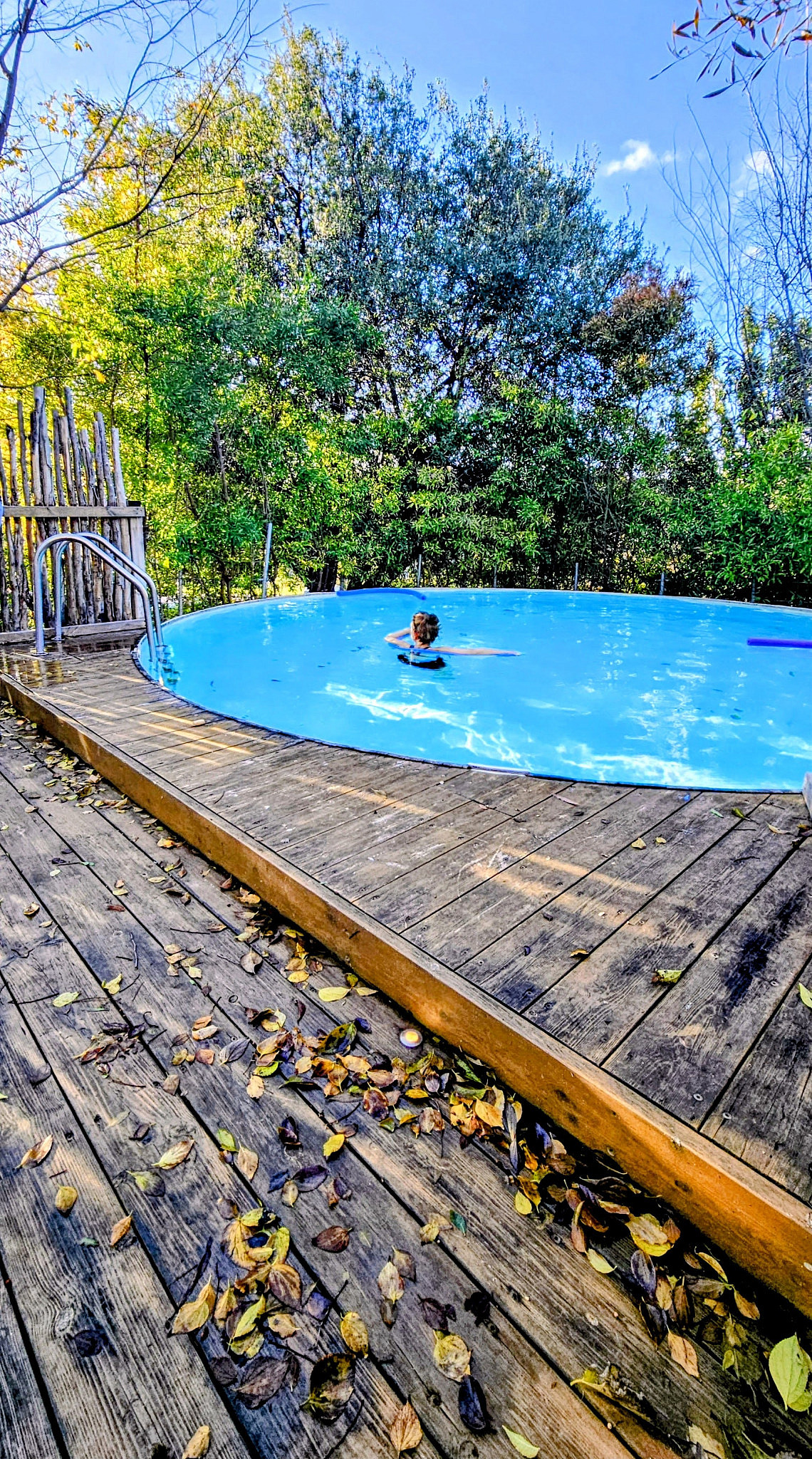
As we spent our final morning submerged in the outdoor hot pool, watching the mist stitch the pine trees together, I realized that Slowness isn’t trying to fix anyone. It is simply providing the conditions in which the human system can start repairing itself.
The forest is the first therapist. The silence is the second. In 1966, we built sanitariums because the country was exhausted. In 2026, the need has returned with a different kind of urgency. Slowness is a green bowl in the Galilee where, for a moment, you are finally allowed to exhale.
 #NatureHealsIsrael
Related Topics
Related Posts