The Role of the Museum of Tolerance in Advancing Healthcare Values
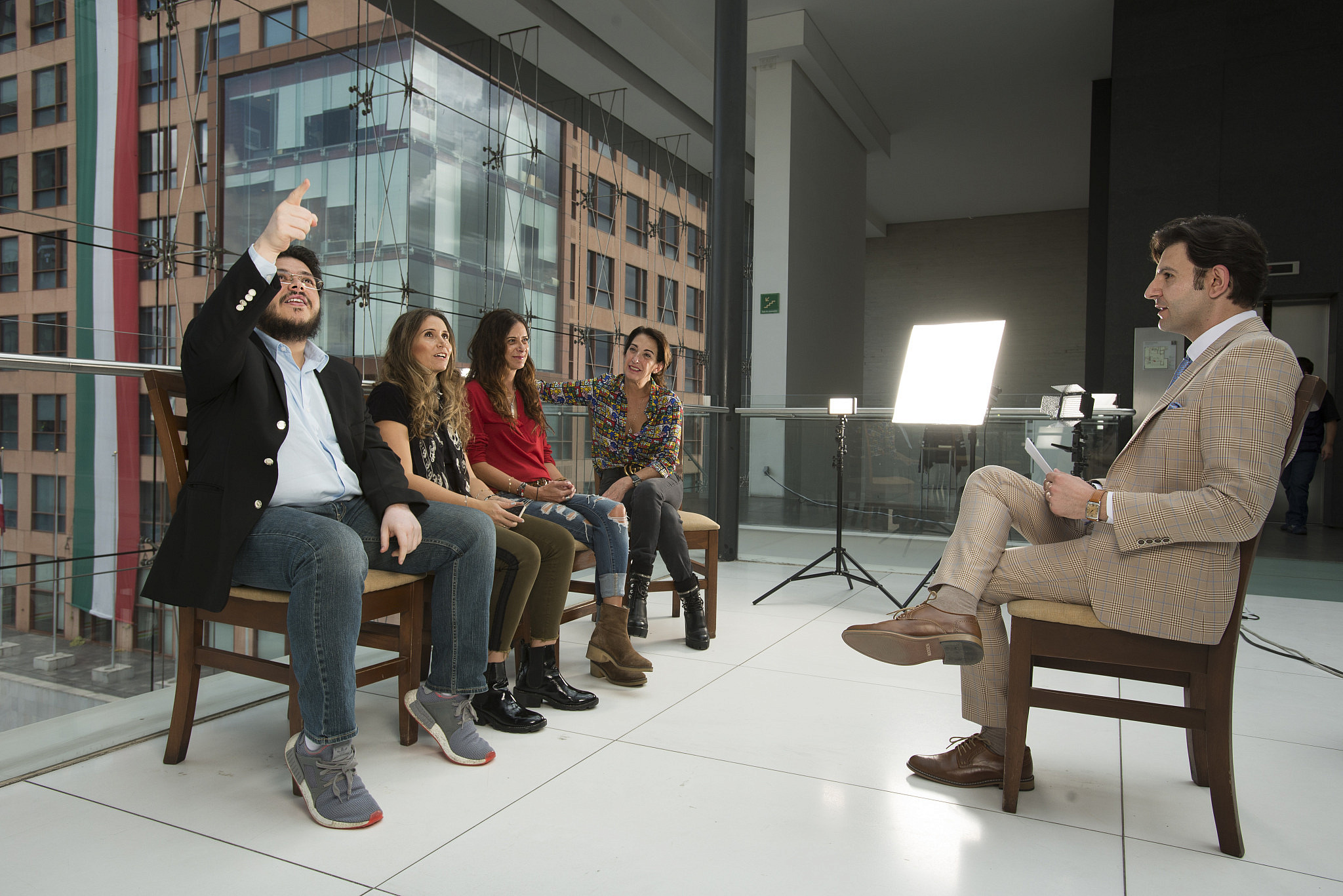
MEXICO CITY, MEXICO – Museo Memoria y Tolerancia (the Museum of Tolerance), located in the heart of Mexico City, explores both the positive and negative sides of humanity, alongside the empathy and compassion that can be gleaned from traversing its walls. Established in the late 90s by founders Milly Cohen and Sharon Zaga, who discovered their Jewish heritage as teenagers, the museum addresses the consequences of the Holocaust and other genocides against humanity. Their goal was to create a unique space an educational hub that fosters responsibility, respect, and compassion.
“When I first began the creation of the Museo Memoria y Tolerancia, I faced two main challenges: being young and female. They were the hardest obstacles to overcome. Yet, my beliefs were stronger than prejudices and fear. I was on a mission. Milly and I worked hard and eventually raised the funds for the museum’s construction,” recalls Sharon Zaga.
“We believed that through visualizing human atrocities and victories, one could gain resilience and faith in the highest moral principles of humanity, which should also permeate modern medical education,” elaborates Milly Cohen.
Integrating the lessons of the Holocaust into medical training is essential for fostering a compassionate and ethical practice among future healthcare professionals. Medical education can benefit significantly from the experiences and stories told at museums like Museo Memoria y Tolerancia. By incorporating historical understanding of discrimination and human rights violations, medical students can develop empathy and a deeper sense of ethical responsibility.
At the museum, visitors are encouraged to reflect on the moral implications of historical events and their relevance to contemporary issues in healthcare, such as the ethics of patient treatment and the importance of addressing social determinants of health. Museums serve as vital educational platforms that can influence how healthcare providers perceive their roles and responsibilities in society.
The museum, through its vision and mission, inspires visitors, including future healthcare providers, to make small changes that can collectively lead to significant advancements in healthcare and society. By fostering tolerance and human rights consciousness, it opens new horizons for those eager to tackle discrimination and inequity within the medical field. Currently, Museo Memoria y Tolerancia features two permanent exhibition halls: (i) the Memoria Hall, presenting the historical memory of genocides through a moral lens; and (ii) the Tolerancia Hall, which underscores the significance of tolerance and social activism. This hall explores themes such as diversity, human rights, discrimination, and the power of media. Alongside these permanent displays, the museum has arranged over fifty temporary exhibitions aimed at promoting fundamental human values, particularly empathy, compassion, and understanding.
These exhibitions encourage visitors to champion peace, harmony, and safety. Each display emphasizes the importance of mindful communication and positive actions in daily life. Over the years, Museo Memoria y Tolerancia has embraced three guiding principles: “No one is going to be tortured,” “No one is going to be prosecuted,” “No one is going to be exiled.”
Sharon Zaga and Milly Cohen assert, “Tolerance is the respect, acceptance, and appreciation shown towards diversity; there is no good or bad, better or worse. Every person, despite their differences, should be granted equal opportunities and rights. This is the essence of inclusion, and we promote a society that actively removes stereotypes and prejudice.”
In the context of medical education, the museum’s philosophies hold significant relevance. Historical atrocities, especially during the Holocaust, highlighted the dire consequences of dehumanization in healthcare. Understanding this dark chapter in medical history is crucial for future healthcare professionals. It serves as a reminder of the ethical responsibilities that accompany medical practice and the importance of advocating for human rights.
Medical students and healthcare professionals can draw valuable lessons from the museum’s emphasis on empathy and understanding diversity. Through these teachings, they are encouraged to confront biases and ensure equitable treatment for all patients, regardless of their background. Museums like Museo Memoria y Tolerancia become instrumental in educating future healthcare providers about the importance of cultural sensitivity and ethical care.
By integrating the museum’s messages into medical training, healthcare providers are better equipped to foster inclusive environments. This ultimately leads to a healthcare system that embodies empathy and compassion, aligning with the museum’s mission to inspire social change through education. Through understanding history, future healthcare providers can ensure that “Never again” becomes a guiding principle in their practice, preventing past mistakes from repeating.
–
This article is based on an original manuscript published in Journal of Modern Jewish Studies by Taylor & Francis- https://doi.org/10.1080/14725886.2022.2058381.