
A Searcher for Truth and Meaning
The Science of Being Human: Healing Mental Imagery
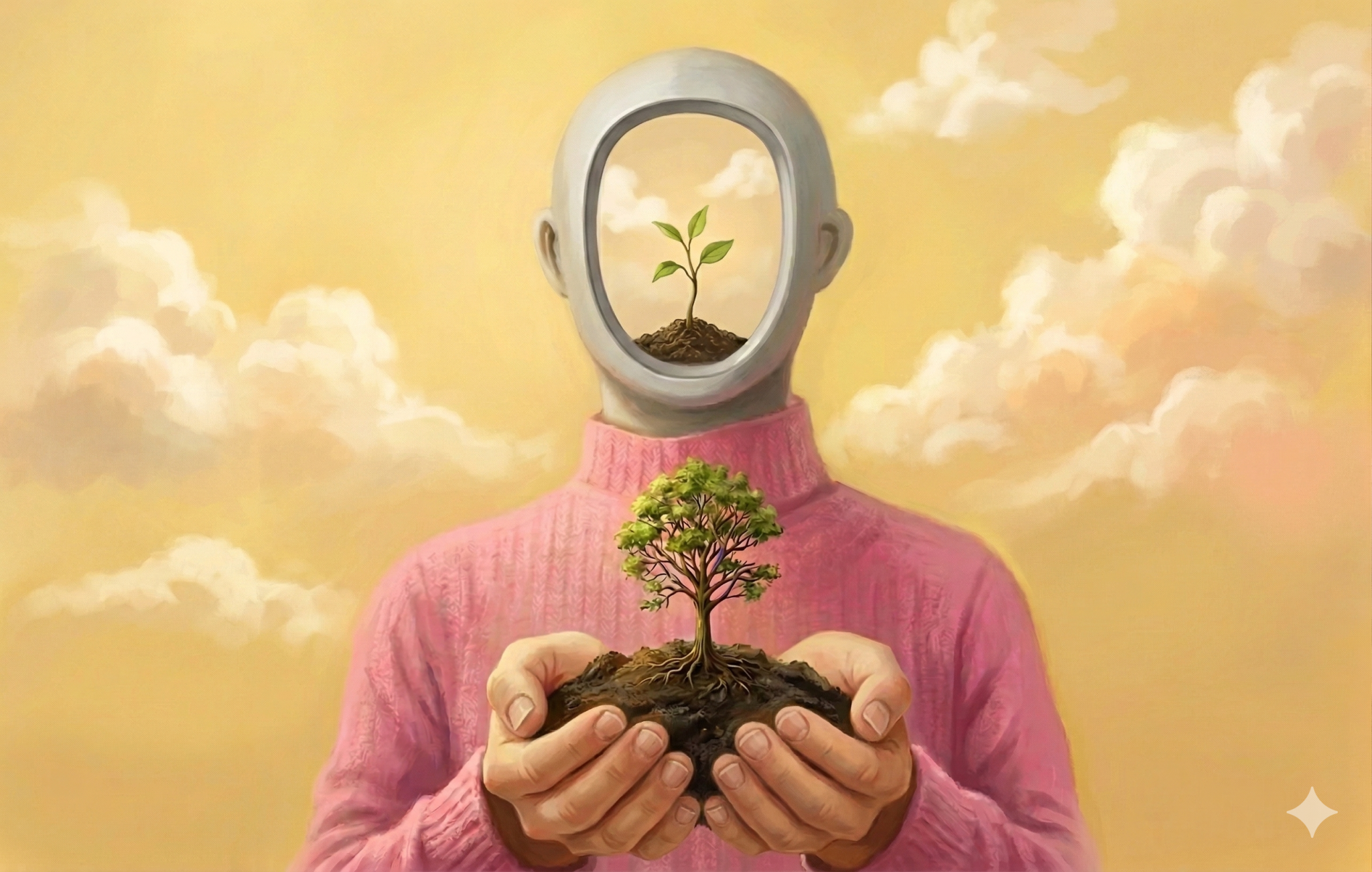
Mental Imagery
What if the most powerful tool for your healing wasn’t found in a pharmacy, but within the vast landscape of your own mind?
As a mind-body therapist and Logotherapist (from the teachings of Dr Viktor Frankl, author of Man’s Search for Meaning), my work has always been about helping people find meaning in their struggles—whether those challenges manifest in the body, mind, or soul. However, when I discovered the world of Mental Imagery, a new door opened. I began to understand the “science of being human”—the incredible way we can become active participants in our own recovery.

Inspired by the teachings of the late Dr. Gerald Epstein, I have seen firsthand how imagery allows us to access healing for both physical and emotional pain. As Albert Einstein famously said, “Imagination is more important than knowledge.” What happens in our minds dictates the state of our bodies.
The Mind Leads, the Body Follows
We often view our bodies and minds as separate, but they are inextricably linked. I experienced this power personally when I attended a Tony Robbins conference and prepared to walk on hot coals. The preparation wasn’t physical; it was entirely mental. When the mind is in the right state, the body follows suit. It was an exhilarating experience!

Mental imagery isn’t just “daydreaming.” It is a respected, ancient Western tradition that taps into a person’s innate wisdom. Unlike some modern medical approaches that view illness as an enemy to be eliminated at all costs, imagery views symptoms as a “knock on the door”—a communication that something is out of sync.
The Three-Step Process of Transformation
Mental imagery works through a specific physiological and psychological framework. We begin by closing our eyes to shut out the external world and turning our senses inward. We then use a specific breathing pattern: a long exhale and a short inhale.
This breathing stimulates the vagus nerve, calming the sympathetic nervous system (fight or flight) and allowing the body to enter a state of receptive relaxation. From this state, we follow a three-part journey:
- Stimulation of the Conflict: We don’t run from the pain. We go directly to where the “needle” is pricking or where the “butterflies” are fluttering. We describe the sensation, the color, and the intensity.
- Resolution: Using the patient’s own creativity, we find a way to shift the image. If there is a “knot,” we untie it. If there is a “fire,” we find the “freezer button.”
- The Triumph: we experience the feeling of the healing being complete.
Corrective Experiences: Rewriting the Nervous System
One of the most exciting aspects of this work is its ability to resolve “unfinished business.” The brain is a remarkable organ; it often cannot distinguish between a vivid memory, a dream, or a physical reality.
When we go back to a traumatic childhood memory and—through imagery—create a “corrective experience” (such as hearing the supportive words we needed to hear back then), the brain registers that new experience as having happened. This takes the “electricity” out of the old trauma, allowing the nervous system to finally discharge the tension it has held for decades.

A Prescription for the Mind
Just as a doctor might prescribe a pill to be taken three times a day, mental imagery is a prescription for the mind. It is not a “one-off” fix. It takes repetition—typically 21 days—to create a new neural habit.
I encourage my clients to practice their imagery upon waking, at sunset, and before bedtime. By doing so, you aren’t just imagining; you are re-patterning your brain and reclaiming your role as the healer of your own life.
Turning Stumbling Blocks into Stepping Stones
Your body has an inherent wisdom. Just as a cut knows how to knit itself back together without you telling it how, your mind knows the path to well-being. Mental imagery is simply the bridge that helps you get there.
If you are carrying physical pain or the weight of old emotional hurts, know that you are equipped to turn those stumbling blocks into stepping stones.
To learn more about how Mental Imagery can support your journey to well-being, visit dkwellness.co.il.
Related Topics