The Silent Toll
Why Wartime Mental Health for People with Disabilities Must Be a National Priority
The sirens in Israel may pause. But the psychological reverberations do not.
Since the devastating attacks of October 7th and the ongoing escalation with Iran and its proxies, all Israelis have lived under constant threat. But for families of children with disabilities, the emotional, logistical, and physical burdens have been exponentially heavier—and dangerously overlooked.
In the wake of October 7th, Beit Issie Shapiro commissioned a study, the first of its kind, in partnership with Bar-Ilan University. 408 families raising children with disabilities in Israel were surveyed about the impact of war and conflict.
The findings are clear—and sobering. Since the outbreak of war, parents reported a 28.4% decrease in mental well-being, with significant deterioration across every domain of family life: work, relationships, education, leisure, and access to support services. No subgroup was spared—not by the type or severity of disability, nor by age.
What this means in practical terms is that parents are struggling to function. Relationships are strained, careers are disrupted, and families report a growing sense of deprivation, isolation, and despair. The stress of getting to a shelter with a wheelchair or a nonverbal child, the fear of being unable to understand emergency instructions, or the helplessness of missing a siren due to hearing impairment—all this builds into daily, acute trauma.
This is not conjecture. It is data. And it underscores what Article 11 of the UN Convention on the Rights of Persons with Disabilities, which Israel ratified in 2012, already affirms: States are obligated to protect people with disabilities during times of war and emergency. We are not meeting that obligation.
But here is what the research tells us: trauma, when acknowledged and treated appropriately, does not have to lead to permanent damage. It does not inevitably become PTSD. In fact, with the right support, many individuals experience what psychologists call “natural recovery”—a process in which distress lessens over time—and some even experience post-traumatic growth. Social support, meaningful connections, and trauma-informed care can make the difference between suffering in silence and rebuilding stronger.
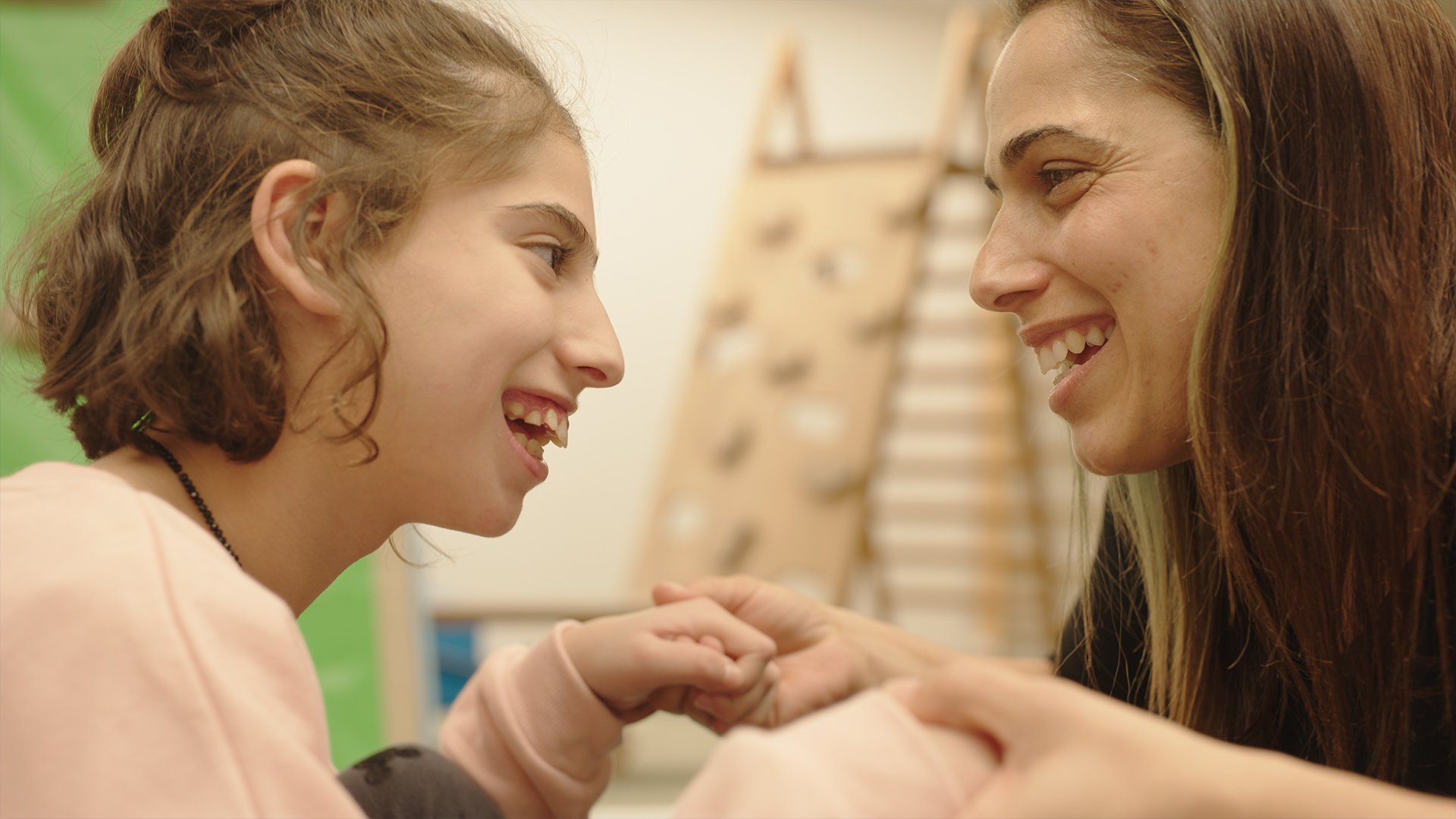
At Beit Issie Shapiro, we are responding—not just with services, but with systems. We are developing Israel’s first certified training course for psychologists to specialize in trauma-informed care for people with disabilities. We are awaiting approval for certification as a residency/internship center for clinical psychologists, allowing them to focus on the treatment of individuals with disabilities. We are building scalable mental health solutions rooted in our fieldwork and research. We are reaching out to policymakers to ensure these vulnerable populations are not forgotten in national emergency protocols.
This work is not just therapeutic—it is preventative. And it is urgently needed.
Mental health is now rightly on the radar of donors, governments, and international Jewish communities. But to be effective, that focus must be inclusive. Funding psychological support that doesn’t reach the disability community is like building bomb shelters with stairs and calling them safe for all.
The Personal Disparity Index, developed by our researchers, shows the growing gap between what families need and what they receive. If we are serious about national resilience, we must close that gap – through funding, policy, and intentional inclusion.
We call on Israel’s government, philanthropy partners, and global Jewish leaders: Stand with us now. Recognize the right of every person with a disability to high-quality, adapted, and accessible mental healthcare as core to our social and national security. Invest in research, training, and services that center the most vulnerable.
And remember—resilience that excludes isn’t resilience at all.