Building a safer Israel for the next generation.
Unspoken Burden: Supporting Young Women on the Frontlines of Trauma
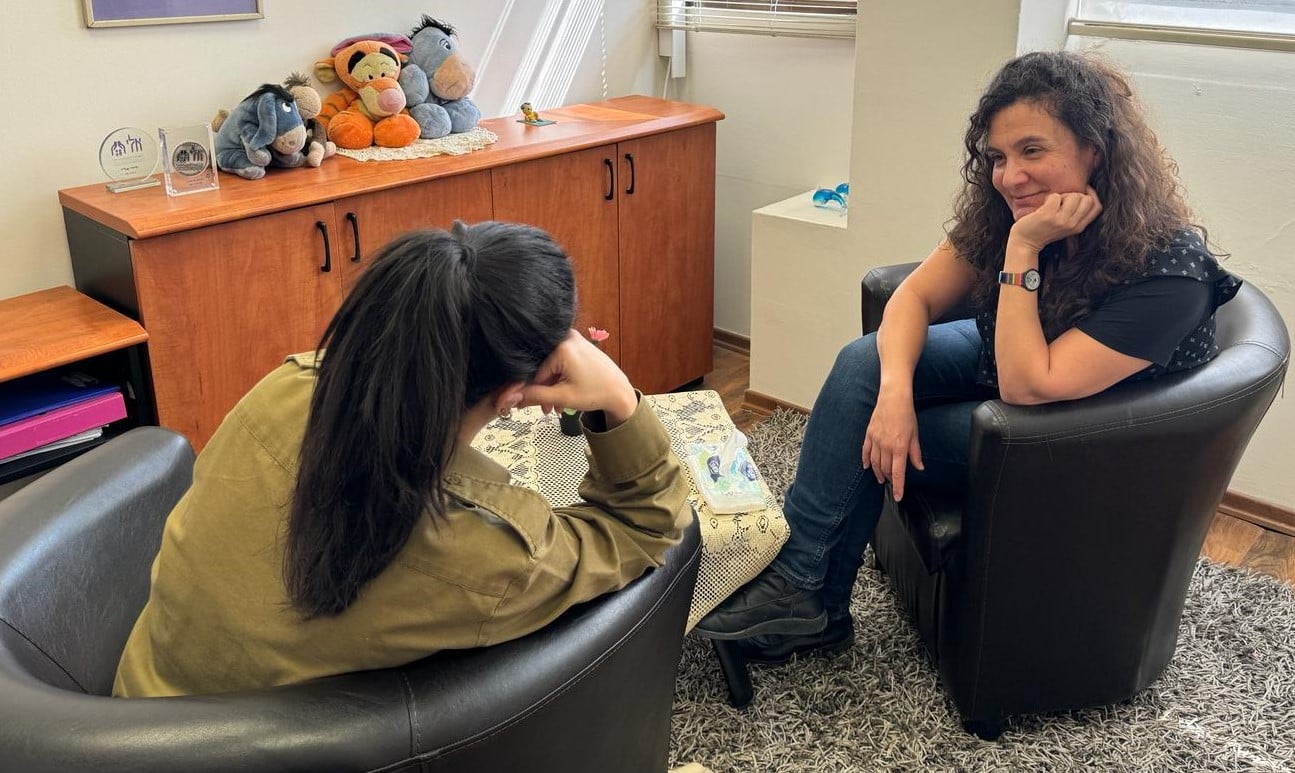
An ELI therapist meets in a confidential session. ELI provides specialized, trauma-informed clinical care to support female service members carrying complex or pre-existing trauma.
In the global narrative surrounding defense, military readiness is almost exclusively measured in hardware, intelligence superiority, and strategic deterrence. Yet in Israel, defense is fundamentally human, and deeply gendered. Israel’s unique national reality requires 18- and 19-year-old women to shoulder immense operational, logistical, and national security responsibilities. They serve as border observers, combat medics, cyber analysts, and command personnel, operating under continuous high-stakes pressure.
While the nation rightly honors their operational resilience, an unspoken burden lingers beneath the surface: the gender-specific psychological and interpersonal stressors these young women carry onto the frontlines.
Service does not occur in a vacuum. A young woman entering mandatory national service brings her entire life experience with her, including potential histories of pre-existing trauma or domestic abuse. When plunged into an environment characterized by extreme stress, prolonged instability, and hyper-vigilance, particularly during extended wartime, past emotional wounds do not simply remain dormant. They are frequently reactivated.
Compounding this reality is the pervasive issue of gender-based harm within high-pressure environments. Historical data and systemic reports have consistently shown that young female service members face heightened vulnerabilities to sexual harassment and abuse, whether originating prior to their enlistment, occurring while on leave, or perpetrated by peers and superiors. Under wartime conditions, where stress levels peak and normal routines shatter, these vulnerabilities inevitably expand.
To safeguard those who safeguard the nation, we must re-evaluate our definition of force protection. True operational readiness requires a specialized, trauma-informed approach that addresses the unique psychosocial needs of young women in uniform.
The Architecture of Specialized Care
Addressing trauma within a defense structure presents a complex challenge. An armed force’s primary mission is operational efficiency, which can unintentionally create barriers to vulnerability, self-reporting, and emotional healing. Standardized mental health approaches, while critical, often lack the specialized framework required to treat sexual abuse and gender-specific trauma effectively.
To bridge this gap, civilian expertise must interface seamlessly with military infrastructure. As an organization dedicated to trauma intervention and family violence, ELI – Israel Association for Child Protection operates as the sole civilian entity permitted to deliver these specialized services directly within the armed forces. Over years of collaboration, we have learned that treating trauma cannot rely solely on post-crisis intervention; it demands a multi-pronged strategy encompassing prevention, cultural transformation, and specialized clinical care.
The foundation of this framework rests on three critical pillars:
- Clinical Therapy and Crisis Intervention: Providing confidential, specialized therapeutic care tailored to soldiers (primarily female) navigating past or present abuse, ensuring they receive the clinical support necessary to heal and regain personal agency.
- Supervisory Training for Clinical Officers: Equipping military mental health officers with advanced supervision and specialized methodologies to handle complex cases of sexual abuse with appropriate clinical nuance.
- Systemic Officer Awareness: Training leaders across command structures to recognize subtle indicators of distress, respond appropriately to reports, and proactively connect soldiers with professional help.
However, clinical intervention alone cannot alter an institutional ecosystem. Sustainable protection requires empowering leaders within the ranks who can shift the culture from the inside out.
Empowering Leaders
At the heart of systemic change within the defense forces is the targeted training of Quality-of-Life Officers. These female officers are directly responsible for the social welfare, living conditions, and overall well-being of the soldiers within their units. Because of their daily proximity to troops, they occupy a unique position of trust.
By delivering intensive, specialized training to these officers, the program transforms them into proactive champions of safety and awareness. The model operates on an exponential scale:
- Selective Cohorts: Intensive training sessions are delivered to select groups of Quality-of-Life Officers, providing them with deep clinical insights into trauma, abuse indicators, and reporting protocols.
- Train-the-Trainer Multiplier: A core group of these officers is equipped as specialized trainers. Each goes on to train approximately 100 additional officers within their respective commands.
- Awareness Campaigns: A group of officers is trained to development and implement awareness program within their own units and beyond
- Broad Field Impact: Through this geometric cascade, a single initiative reaches thousands of soldiers across diverse units, ensuring that warning signs are caught early and that a zero-tolerance culture for abuse is reinforced at every level.
The impact of this approach extends far beyond institutional metrics. As awareness grows, the stigma surrounding reporting diminishes. Female soldiers who once carried shame in silence are now stepping forward with courage, seeking care, and encouraging their peers to do the same. Crucially, the training has also enabled Quality-of-Life Officers to recognize and process their own past experiences, fostering personal healing alongside professional leadership.
When these young women eventually complete their service, they return to civilian life as empowered advocates, clinicians, educators, and community leaders equipped to identify abuse and champion safe environments throughout Israeli society.
The Visionary Role of Philanthropic Leadership
Systemic institutional shifts do not happen by accident; they require long-term, visionary investment. While many philanthropic partners naturally focus on short-term crisis relief or rotating annual projects, addressing deep-seated societal trauma demands sustained commitment.
In this effort, funding partners like The Jewish Federation of Broward County have played a transformative role. Broward County recognized this critical gap early on, stepping forward not merely as an annual donor, but as a foundational partner in helping to shape the program. By providing consistent funding from the very inception of the overall program, alongside vital contributions from women’s foundations within the Federations for specific officer training tracks, Broward County helped establish the structural blueprint for this life-saving initiative.
This enduring partnership demonstrates the profound impact that strategic Diaspora philanthropy can achieve. By investing in the mental health, dignity, and safety of young female service members, international partners help build a resilient human infrastructure behind Israel’s defense.
Related Topics
Related Posts