
Published author, Jewish educator and scholar
The Sounds of the Shofar: From Wholeness to Brokenness — and Back Again
Canva
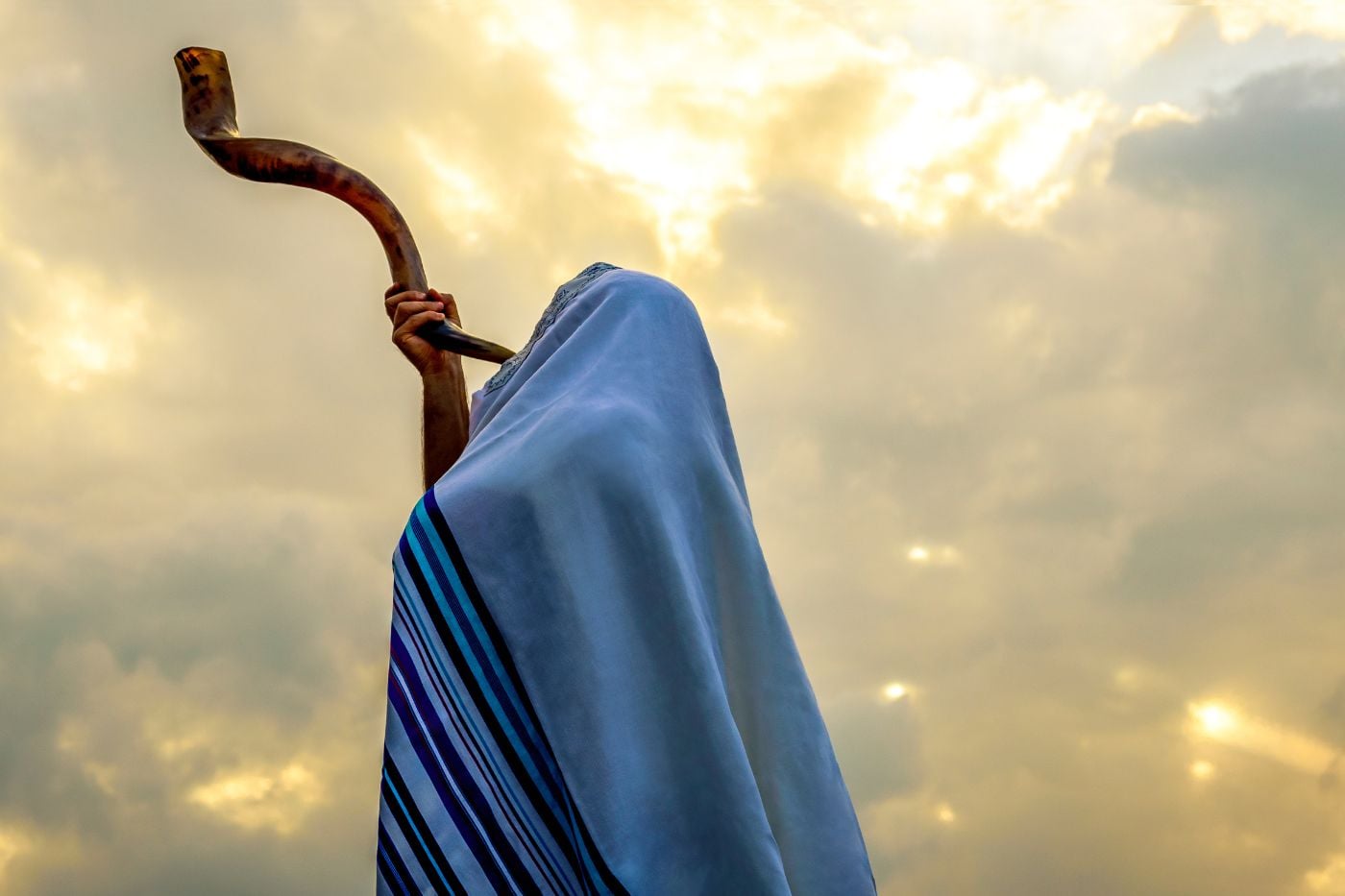
The shofar does not speak in words. It speaks in sounds, and those sounds are remarkably different from one another. There is the tekiah — one long, whole, unbroken blast; the shevarim — three broken notes; and the teruah — a rapid succession of short, trembling cries.
Why does Rosh Hashanah require all three? Perhaps because no single sound can capture the experience of a person standing before God, and no single sound can capture the experience of a nation confronting its past, its pain, and its future.
There are moments when we feel whole, moments when pain is carried quietly within us, and moments when that pain erupts into a cry. The shofar gives voice to them all.
The tekiah is whole, clear, steady, and strong. It is a fitting sound for Israel. The Jewish people returned to the land from which we had been exiled for centuries, rebuilt sovereignty, revived Hebrew, gathered Jews from across the world, and created cities, universities, hospitals, farms, industries, culture, Torah scholarship, science, and extraordinary technological innovation. We built an army capable of defending a people who for centuries were largely powerless to defend themselves, and in moments of crisis ordinary Israelis have repeatedly demonstrated remarkable courage, solidarity, sacrifice, and resilience. The tekiah reminds us that there is much in the Jewish return to history about which we should stand tall.
But the shofar does not permit us to hear only the tekiah. The whole sound is followed by broken ones. The Talmud in Rosh Hashanah 34a asks what the Torah means by teruah. Is it גנוחי גנח — the groaning of a person in distress — or ילולי יליל — the wailing of someone overcome by grief?
Our practice incorporates both possibilities.
The shevarim represents the groan. It is not yet a scream, but a deep sigh that comes from somewhere within. Much suffering is like that. It does not announce itself loudly; people carry it. A bereaved parent returns to work. A wounded soldier enters rehabilitation. A reservist comes home after months of fighting and tries to return to ordinary family life. A spouse who has carried a household alone simply continues. A family displaced from its home begins again somewhere else. From the outside, life resumes, but every so often there is a sigh. That is shevarim.
Israel today is filled with shevarim: people continuing to work, parent, teach, serve, and build while carrying burdens that those around them may barely see. A society that celebrates resilience must be careful not to mistake resilience for the absence of pain. Sometimes the deepest wounds are the least visible, and sometimes strength itself sounds like a groan.
Then comes the teruah. If shevarim is a groan, teruah is a wail. Short cries, one after another. If shevarim is suffering held within, teruah is suffering that can no longer remain contained. There are moments when a person can no longer merely sigh, and there are moments when a nation can no longer do so either. October 7 was such a moment. The murder of families in their homes, the destruction of communities, the kidnapping of men, women, children, and elderly people, the bereavement of so many families, and the enormous sacrifices demanded of soldiers and reservists produced a level of anguish that could not be absorbed quietly into the normal rhythm of life. There are times when grief must simply be allowed to cry out. The teruah gives sound to that anguish.
The Gemara makes a further observation that is especially powerful. When both sounds are sounded together, shevarim comes before teruah. Why? Because, the Gemara says, when something terrible happens to a person, first he groans and afterward he wails.
That progression is psychologically profound. Pain often begins quietly. We absorb it, adjust to it, and try to continue. The sigh comes first. But sometimes the pain grows too great to remain contained, and the groan becomes a cry. The movement from shevarim to teruah therefore traces the deepening of human suffering: from inner fracture to open anguish.
And then comes the most important part. The shofar sequence does not end with either sound of brokenness. It returns to tekiah: tekiah — shevarim — teruah — tekiah. Wholeness, the groan, the cry, and then wholeness again.
Perhaps that structure contains one of the deepest messages of Rosh Hashanah.
The first tekiah reminds us of what we have built and of the strength we possess. The shevarim asks us to hear the quieter wounds carried within our society. The teruah gives voice to grief too deep to remain silent. And the final tekiah is the return to wholeness.
But the second tekiah cannot simply return us to where we began. After shevarim and teruah, we have heard too much. The final tekiah must represent a deeper wholeness: a society that has listened to its pain, cared for those carrying wounds, learned from what has happened, and resolved to rebuild with greater wisdom, compassion, responsibility, and solidarity. The first tekiah is the strength of what we were. The second must be the strength of what we choose to become.
Perhaps that is the call of the shofar to Israel this Rosh Hashanah: to remember the extraordinary strength of what we have built, to hear both the quiet groans and the anguished cries among us, and then to sound the tekiah once more — not because the pain has disappeared, but because we are determined that pain will not have the final word.
Shana Tova — may the coming year bring healing, strength, unity, and better days for Israel and the Jewish people.
For an abridged video version https://youtube.com/shorts/pdWCsHm6hgE?feature=share
For more insights on the Jewish holidays and current events, visit
https://davidharbater.com/holidays-others/
Related Topics