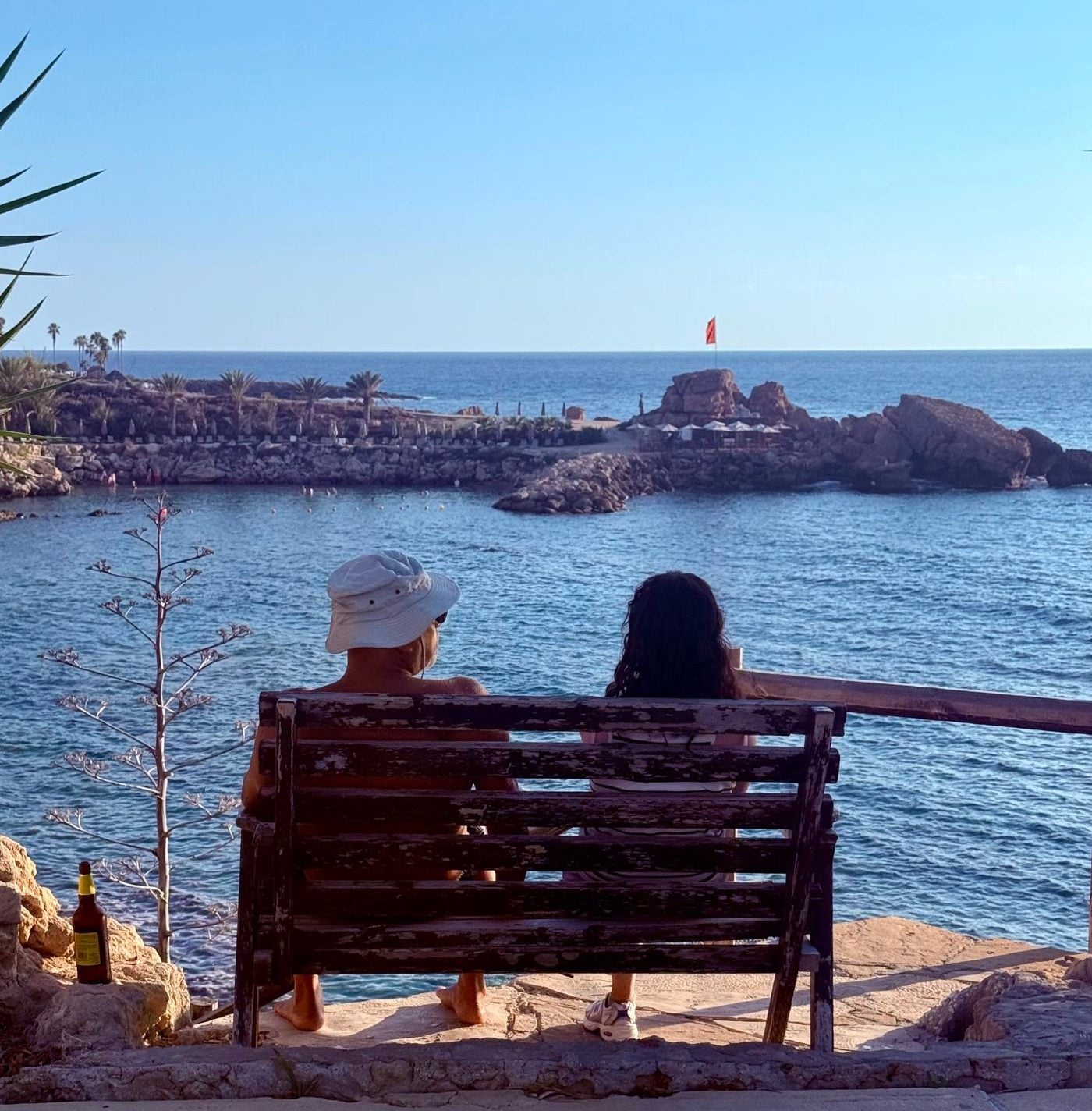
The things left behind…
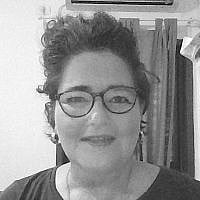
From the outside, my life here probably looks like the photos. Jerusalem stone turning gold at sunset. Openings at the museum. Me standing next to a three-thousand-year-old object, explaining why it matters.
Almost four years ago I left California to do work I believe in, and I don’t regret it. But there’s a part of the story I don’t usually tell. Israel is a country where family lives close by. I love that about it. And it is the one thing I had to give up to be here.
In Hebrew, people who make aliyah are olim, the ones who go up. Nobody mentions how much you have to put down to make the climb.
Friday afternoon in Jerusalem has its own sound. The traffic thins, the siren announces Shabbat, and the smell of someone else’s challah drifts up the stairwell. For most of my neighbors it means one thing: family around a table.
For me it means a choice. Light the candles alone, or accept an invitation. The invitations are generous, and I am grateful for every one. But being a guest at another family’s table is its own kind of loneliness. You learn their tunes, not yours. You laugh at jokes that have 20 years of history you weren’t there for. And you go home a little earlier than everyone else.
The holidays are harder. A seder is built for family. So is Rosh Hashanah, and Sukkot, and the long, lazy days in between. I set the table here while mine sit down to their own, hours behind me, on another continent.
I have become an expert in time zones. I know without checking when my sons are waking up, when the family dinner is over, when it is too late to call. Birthdays happen on a screen. So do the ordinary Tuesdays, which turn out to be what you miss most.
And then there is the annual visit, which means me getting on a plane. The year quietly organizes itself around it. I check work calendars and school schedules, theirs and mine, looking for the window when everyone is free at the same time. I fly across the world to fit myself into lives that kept moving without me. Then, too soon, it’s the long flight home, and the quiet of the first evening back.
I have tried to explain to my kids why Israel matters to me. Not the slogan version, but the real one: why I would leave a life I spent years building, for a city that is never easy. My Zionism is secular, and it is not the confident kind. It is apprehensive, full of questions, and it has been tested hard since the war began. But it is mine.
I can’t explain it without also explaining my fear of the world I left. Since October 7, the academic world where I spent my career has become a place where I’m no longer sure there would be room for someone like me. That isn’t why I came. But I would be lying if I said it doesn’t make the choice feel more necessary. My kids are adults. They don’t need my permission or my reasons. Still, I want them to understand, because their understanding is part of what makes this bearable.
Olim don’t talk about this much. Complaining feels like a betrayal of the choice, of the country, of everyone who would give anything to be here. Especially now, after these last three years, when our families abroad watched the news and called after every siren. We carry their worry along with our own.
The sacrifices are quiet. The family photo you’re not in. The slow drift from being part of things to being the one who lives far away. You are articulate in English and a stammering child in a Hebrew government office, and nobody back home quite sees either version of you.
The bonds stretch, and they thin, and you spend real energy every week keeping them from wearing through. Some of what I miss is small, and that is exactly the point. Brunch with my sister on a whim. Someone to call on a Sunday morning and say, want to go shopping? Those things need no planning. They only need someone close by.
This is the part they don’t tell you at Nefesh B’Nefesh. They prepare you for the bureaucracy and the banks. They don’t prepare you for what it means to live in a society built on close family nearby. Here, grandparents pick up the kids. Siblings drop by without calling. Friday dinner with family isn’t an event, it’s just what you do. I watch my neighbors’ families come and go every Friday, and I love them for it. And I know exactly what it cost me.
And then there’s fitting in. I try. I speak my imperfect Hebrew, I show up, I say yes to the invitations. But I am always a little on the periphery, peering in. It’s a particular kind of loneliness, and the only people who really understand it are other Israelis whose children live abroad. When we find each other, we don’t have to explain a thing.
Is it sustainable? The honest answer is that I don’t know. Some weeks, yes, easily. Other weeks, a Friday afternoon is enough to make me wonder what I’m doing here.
What makes it possible is the chosen family I’ve found here: friends who save me a seat at their table, colleagues who have become real friends, and work that matters to me. What makes it hard doesn’t go away. It just becomes familiar. Plenty of olim eventually go back, and I don’t judge a single one of them. I understand exactly what they were missing.
Hebrew has a word for what I feel: ga’agu’im, longing. It only comes in the plural, which seems right. Maybe sustainable is the wrong question. The real question is whether I can keep choosing this, again and again, every Friday at four.