
This Way Up: Spiritual Means to Psychological Ends
The Thinking Heart: Chinese and Jewish Visions of the Inner Center
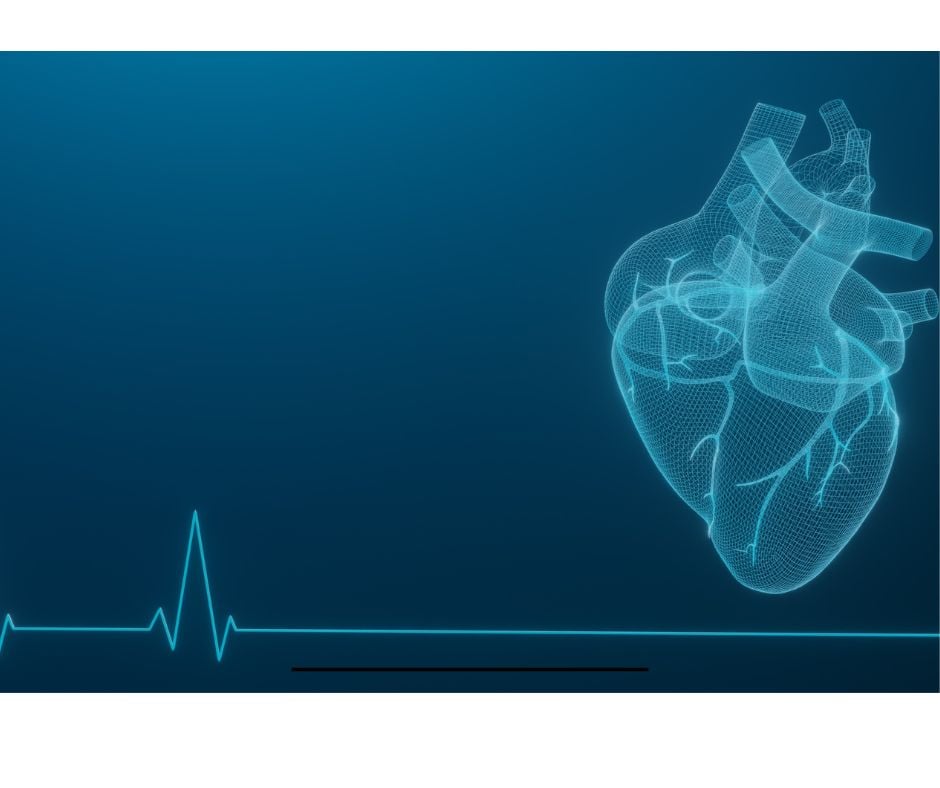
In both Chinese and Jewish civilizations, the heart is more than anatomy. It is a compass. A vessel. A mirror. A sanctuary.
Long before Western science dissected the heart into a mechanical organ, both ancient Chinese medicine and Hebrew scripture described it as the core of human identity — not only where feelings reside, but where thought, spirit, and intention are integrated. And while each tradition expresses this through its own symbolic and philosophical language, both agree: to live rightly, one must live with the heart aligned.
The Chinese Heart: Xin (心) — Unity of Mind and Emotion
In Chinese medicine and philosophy, the heart is called xin (心). Interestingly, this character is also used to mean “mind.” There is no strict distinction between cognition and emotion in classical Chinese thought; the heart-mind is one.
According to Traditional Chinese Medicine (TCM), the heart governs the shen (神) — spirit or consciousness. It is the “emperor” of the body, ruling over all other organs. If the heart is unsettled, the entire system is thrown off. Emotional disturbance, mental confusion, and moral imbalance are all signs of a heart out of harmony.
Daoist and Confucian texts emphasize that self-cultivation begins in the heart. A well-ordered heart leads to virtue, clarity, and compassion. A chaotic heart leads to disorder in one’s life and relationships. Harmony in society, says Confucius, begins with harmony in the family, which begins with self-cultivation — and that begins in the heart.
The Jewish Heart: Lev (לֵב) — The Seat of Will and Understanding
In Jewish scripture, the heart is called lev (לֵב) — and it, too, is more than a feeling organ. The Hebrew Bible uses lev nearly 600 times, most often as the seat of intention, discernment, moral choice, and spiritual openness.
To have a “wise heart” (lev chacham) is to have discernment. To “turn one’s heart” is to redirect one’s will. In the Sh’ma, the daily prayer recited by Jews of many denominations, Jews are asked to love G-d with all their heart. The heart, then, is where truth resides.
In Jewish mystical and ethical thought, the heart is where the battle between the yetzer hatov (good inclination) and yetzer hara (destructive impulse) plays out. A goal of life is to purify and refine the heart — to make it receptive to the Divine Presence (Shechinah) which then can dwell within it, conditional with the achievement of a life characterized by truth and purity.
The Heart as a Moral Instrument
In both Chinese and Jewish traditions, the heart is an ethical organ.
In Chinese thought, the ideal is to cultivate a heart that is calm, centered, and attuned to the rhythms of nature and Heaven (Tian). Confucius speaks of the ren (仁) — humaneness or benevolence — as arising from a cultivated heart that naturally cares for others.
In Judaism, the goal is a “pure heart” (lev tahor) — one that reflects G-d’s values. The Psalms plead: “Create in me a pure heart, O G-d” (Psalm 51:10). The heart must be broken and opened, not hardened. Pharaoh’s downfall, after all, is that he “hardened his heart” — a refusal to feel, to change, to be moved.
In both systems, moral clarity and spiritual alignment are not achieved through intellect alone, but through a heart that listens.
Disruption of the Heart: Dis-ease and Disconnection
When the heart is out of alignment in Chinese medicine, symptoms may include anxiety, insomnia, restlessness, or forgetfulness. The Shen becomes scattered — the spirit cannot find rest.
In Judaism, a heart turned away from G-d leads to forgetfulness, idolatry, or spiritual numbness. In Deuteronomy, Moses warns: “Take care, lest your heart be deceived and you turn away…” (Deut. 11:16). The condition is not cognitive error, but spiritual estrangement.
Healing, then, is not just about calming the body, but restoring the heart to its rightful throne.
The Cultivation of the Heart
Both traditions offer practices for shaping the heart:
The Chinese tradition forwards meditation, proper diet, breathwork (qigong), ethical living, honoring the seasons, and observing rituals that align with natural forces.
The Jewish tradition offers prayer (tefillah), study (limmud), acts of kindness (chesed), the performance of Divine commandments (mitzvot), introspection (cheshbon hanefesh), and sacred remembrance (zikaron).
These practices are spiritual technologies — designed to soften, strengthen, and center the heart, so that it can serve as a vessel of wisdom and compassion.
Toward a Dialogue of the Heart
In a time when the heart is often overwhelmed — by speed, distraction, and emotional overload — the ancient wisdom of both Jewish and Chinese traditions reminds us: the heart is a sanctuary, not a battlefield.
By comparing xin and lev, we don’t just find linguistic parallels — we uncover a shared invitation: to return to the center, to honor the heart not as weakness, but as the highest faculty of the human being.
In the words of the Zohar, “G-d desires the heart.” And in the words of the Dao De Jing, “The sage keeps the heart-mind empty, the belly full… and returns to the root.”
Perhaps this is the great convergence: the rooted heart, the heart aligned, the heart that listens — and leads.
Related Topics