
The times they are a-changin’ – can AIPAC adapt?
It appears that gone are the days when AIPAC – the American-Israel Public Affairs Committee – could count on 90 percent of ‘yes’ votes on pro-Israel resolutions in the United States Congress – Democrats and Republicans alike. Gone are the days when those among the remaining ten percent were hardly heard from and usually kept their views to themselves.
Just look at these developments: Earlier in August, the US Senate voted down a bill introduced by Sen. Bernie Sanders that, in effect, would have denied American aid to Israel should the Jewish State be found violating the human rights of the Palestinians. The vote was 72 to 11, with the others not participating in the vote. This, unfortunately, is bad news. There should have been some 90 senators voting against the Sanders bill, which would have shown strong bipartisan support for Israel. This time, however, 27 Democratic senators voted against Israel or abstained. Even those who have traditionally supported Israel, like Democratic Senator Amy Klobuchar, voted for the first time for a resolution blocking US arms sales to Israel to send a message to the Israeli government of disapproval for the humanitarian situation in Gaza.
Also in August, 11 freshmen Democratic members of the US House of Representatives visited Israel as part of a delegation of the AIPAC-affiliated American Israel Education Foundation. There may be many reasons why the other 23 freshmen Democrats chose not to come, but a free trip to Israel is not as attractive as it used to be. And according to Ha’aretz and the Jewish Insider, some of those who did come to Israel later faced hostile reception during town hall meetings from constituents unhappy about their trip.
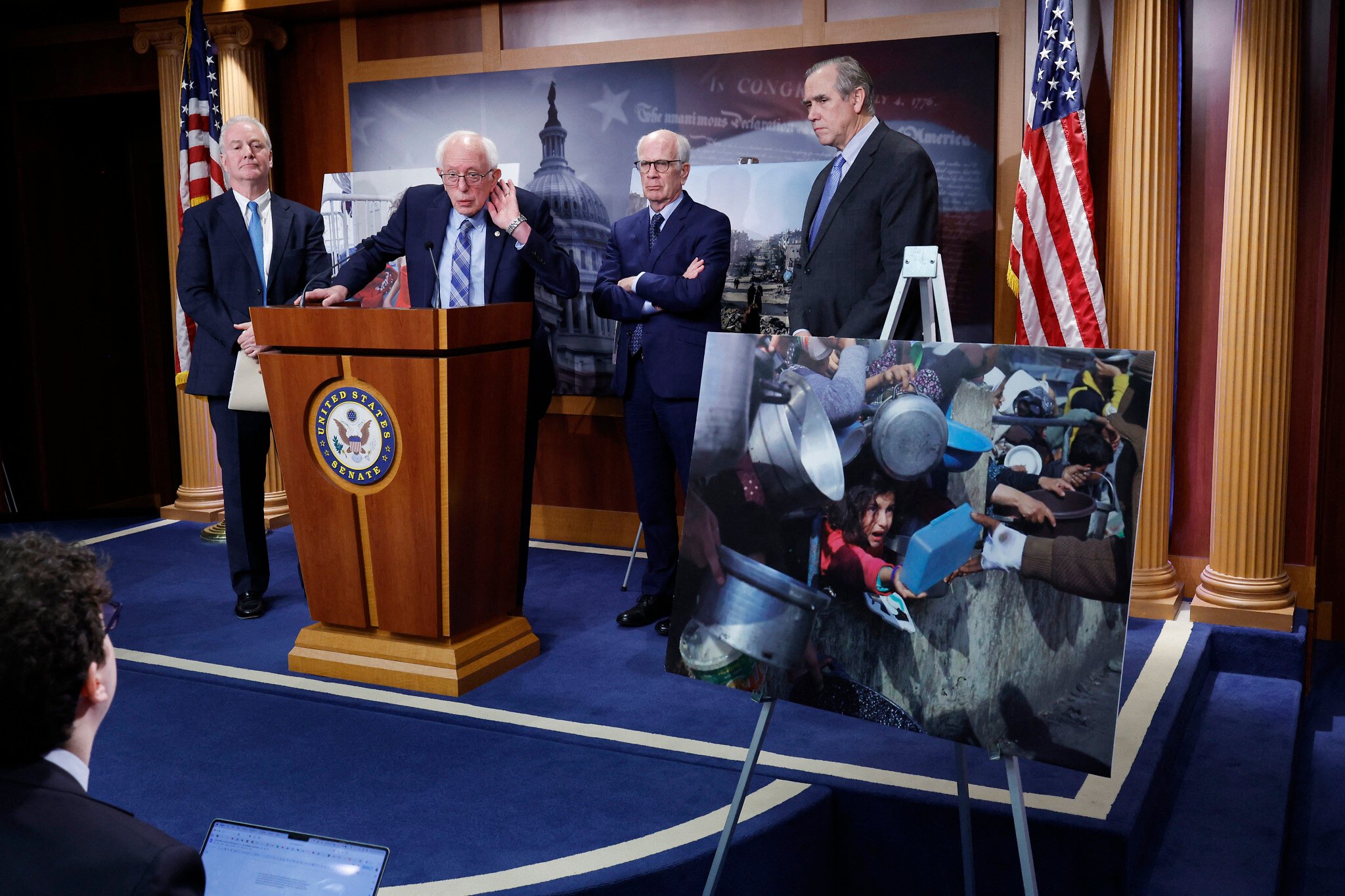
At their biannual meeting this past week, the Democratic National Committee considered a number of key resolutions, including those related to US policies in Israel and on Gaza. Although the resolution calling for an arms embargo to Israel failed, what is already clear is that for Democratic 2028 contenders, “Israel” and “Gaza” have become defining issues.
No longer the crazies
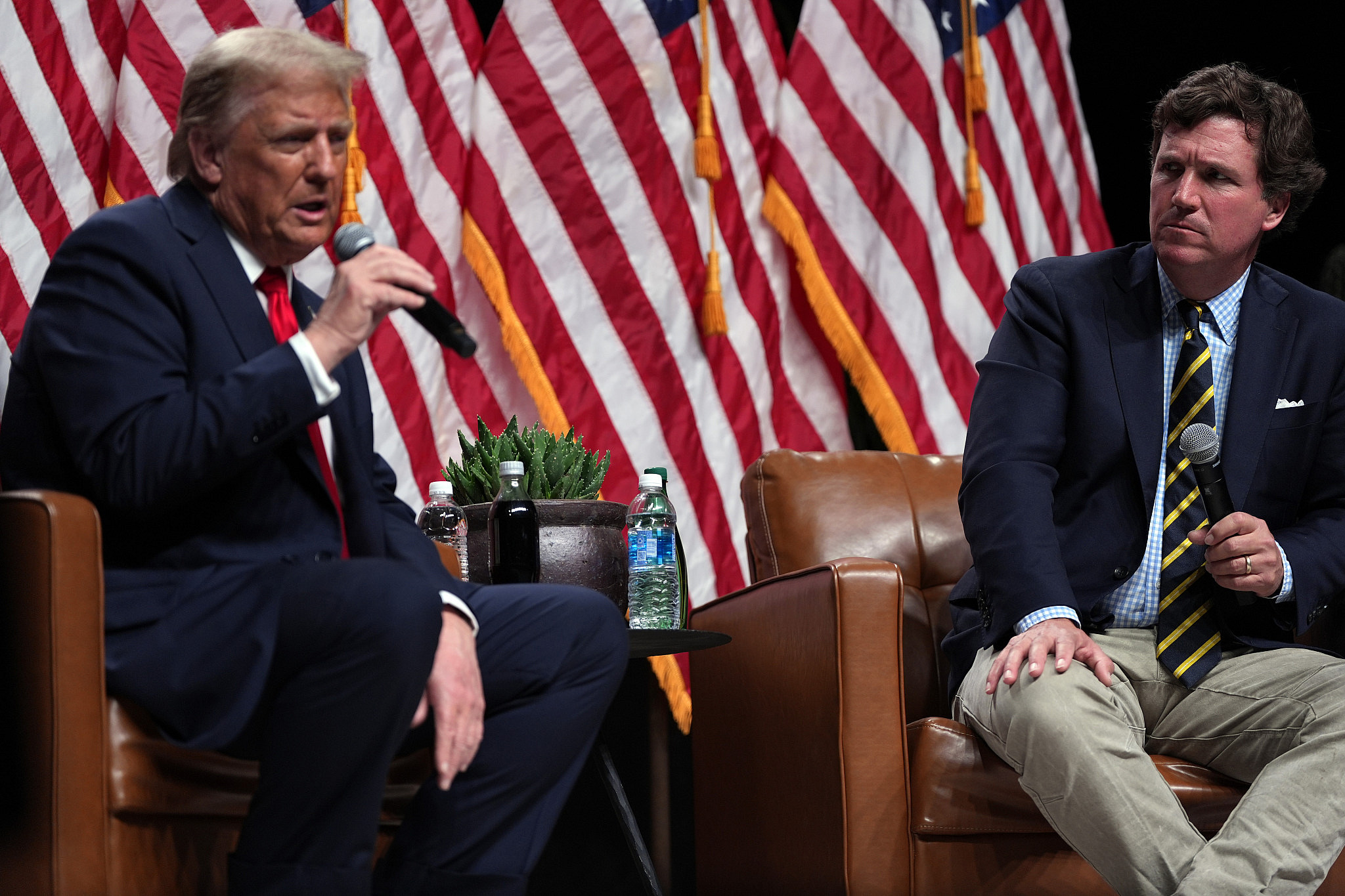
While there are many examples of the waning support for Israel among the Democrats, the trend appears to be growing among the Republicans as well. It is no longer the “crazies” such as Marjorie Taylor Greene or Tucker Carlson. Many younger Republicans are now joining MAGA isolationists and Christian conservatives in calling out Israel as the Gaza war drags on and voicing their feelings in anti-Israel, and often antisemitic, language. Netanyahu and Israel are losing Trump’s base of supporters.
All these events ought to have been a wake-up call for Israel and Netanyahu. Without steadfast American support, Israel’s strategic footing grows increasingly vulnerable. Yet these developments and votes slipped by with minimal public scrutiny in Israel, and some media outlets even spun the outcome as proof of US endorsement. Netanyahu brushed it off without hesitation. Still, the deeper question lingers: Is the United States truly a reliable pillar of support for Israel?
Can we still count on America to stand firmly with Israel when 49 Senate Democrats have sent a clear message to the Israeli prime minister by supporting an amendment that endorses negotiations leading to a Palestinian state – despite Netanyahu’s staunch opposition to a two-state solution?
According to the just-released Harvard/Harris Poll, some 60 percent of young Americans, those aged 18-24, support Hamas over Israel in the Gaza war. These are the same young people who set up anti-Israel tents on many campuses on October 8, and the same who catapulted the openly anti-Israel Zohran Mamdani to the Democratic candidacy for New York city mayor. According to a study by the Tel Aviv University-based Institute for National Security Studies, whether he wins the mayoralty or not, he “represents a younger generation of candidates and voters who view Israel as a problematic, rogue actor, and identify with the Palestinians.”
America is undergoing a cultural shift. A generation shaped more by Instagram and TikTok than by traditional institutions is redefining how mainstream US media portrays Israel – and the narratives emerging are often critical. These evolving perspectives are beginning to influence how members of Congress approach votes on Israel-related issues, injecting a new layer of complexity into US foreign policy.
And let’s not forget that not so long ago, Netanyahu found himself in direct confrontation with the president of the United States – at a time when President Joe Biden was fighting for his political survival. This is the same president who, in the immediate aftermath of October 7, flew to Israel to demonstrate his – and America’s – unwavering support during its hour of need. The Democrats will always remember this.
Netanyahu has already lost the support of a majority of the Israeli public. Many believe his actions – both in this war and beyond – are driven primarily by a desire to preserve his political career and avoid prosecution. Today, only about a quarter of Israelis still believe he is acting in the country’s best interest.
New strategies, new allies
AIPAC has worked for decades to ensure that America has Israel’s back and that Israel remains a bipartisan issue. This has meant lobbying successfully with members of the House of Representatives and the Senate to ensure their votes in favor of pro-Israel resolutions. It has meant gaining support for the Iron Dome defense system, for the F-35 fighter jets, for other advanced weapons, for intelligence sharing. And it has meant America’s support for the continued annual grant of almost four billion dollars. This has been accomplished by supporting Members of the House and of the Senate, primarily the incumbents, no matter what their political stance, to ensure wall-to-wall support for Israel. Without this support, without some ninety percent of the US Congress voting in favor of pro-Israel resolutions, Israel’s back is becoming more exposed.
So the question remains: can AIPAC adapt? AIPAC’s annual Policy Conference attracted more than 20,000 pro-Israel activists to Washington in recent years. These gatherings certainly made an impression on members of Congress. The last time such a conference was held was in March 2020. Soon afterwards, citing the “continued uncertainties created by the COVID-19 pandemic,” the 2021 conference was canceled, and, as it turned out, the age of the Policy Conference has come to an end.
America is changing, Israel’s PR strategy has totally failed, turning against Israel has become a global phenomenon, and “Netanyahu” has become a byword for what is wrong with the Jewish State. For AIPAC and pro-Israel Americans, new strategies and allies need to be developed to address these increasingly worrisome trends and to ensure the long-term continuation of the US-Israel partnership.