
The tragedy of squandered courage: When the ‘street’ outpaced the leader
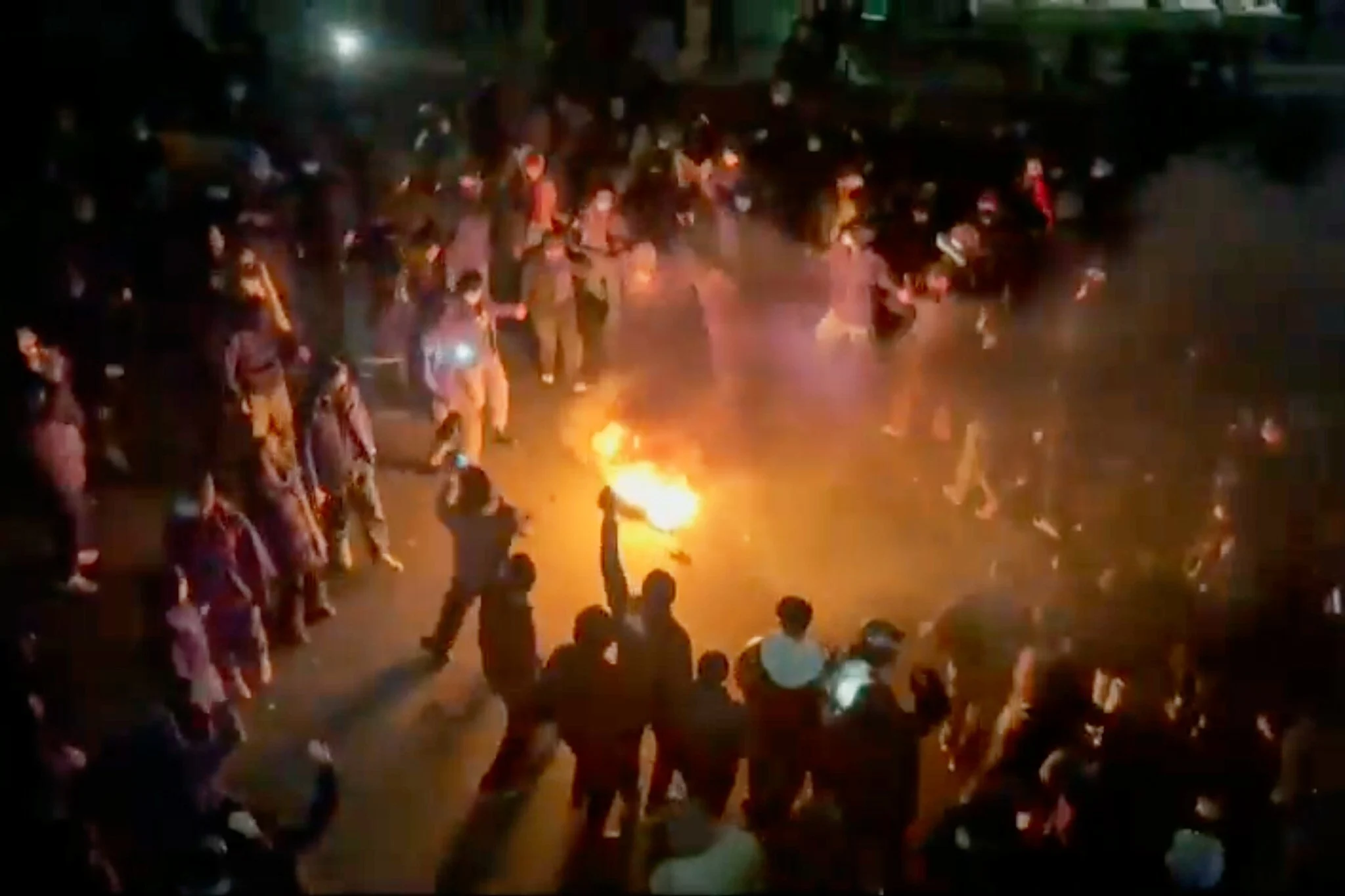
What occurred on the streets of Iran on January 8 and 9, 2026, was a full-scale epic. The presence of millions of people—from Tehran to Zahedan, and from Kurdistan to Tabriz—demonstrated that Iranian society has crossed the threshold of “fear” and is ready to pay the ultimate price for change. The people stood firm, conquered the streets, and left the Islamic Republic in a state of shock. However, the painful question remains: Why did this massive nuclear-level energy not lead to the final detonation of the structure? Why was this roaring flood wasted in the wasteland of poor planning instead of destroying the dam of tyranny?
The answer must be sought in the “leadership crisis” and the structural incapacity of the center-right current (represented by Reza Pahlavi). The sociology of revolution tells us that “public anger” is a necessary condition, but not a sufficient one. For the overthrow of a totalitarian regime, anger must be transformed into “organization.”
The main problem on January 8 and 9 was that Reza Pahlavi mistook politics for an “event.” He dragged people to the streets but had no plan for after that. The people came out, fought, and waited for the next command—waiting for tactics to seize centers of power, coordinate strikes, or engage in targeted civil disobedience. Yet, the only things they received were silence or cliché slogans.
When you send millions of people into a minefield without a defensive shield or a roadmap, and then abandon them, you effectively give the regime’s suppression machine the opportunity to regroup. This “lack of planning” was the greatest betrayal of the blood spilled during those two days. This revolutionary energy was suppressed not because the people lacked strength, but because this energy was not channeled correctly.
This failure proved that managing a modern revolution in a country with Iran’s cultural and geographical diversity is impossible using old, centralized (person-centric) models. You cannot dictate terms from a room abroad to a fighter battling in Baluchistan or Kurdistan without understanding their ecosystem and demands. The insistence that “everyone must be under one flag and one command” paralyzed the massive potential of local and regional organization (which exists within the very nature of Iran’s social fabric and bloomed again during the “Woman, Life, Freedom” movement).
Victory is achieved when, instead of a “Supreme Commander,” a network of local councils and indigenous management structures is formed, each acting according to its own conditions but synergistic in a common goal. The Pahlavi model ignored this plurality and demanded homogenization; and that is precisely where it failed.
Even if we overlook the lack of planning, one cannot ignore the toxic atmosphere created by the radical supporters of this faction. Unfortunately, on the margins of these protests and in the public sphere, we are witnessing a show of force by a spectrum whose rhetoric and behavior have no affinity with civility.
This group, which has unfortunately become the loud voice of the Pahlavi current, lacks the minimum political principles. Hysterical behaviors, sexualized profanity against critics, and an absolute inability to end a debate without physical or verbal conflict are serious alarm bells.
The behavior of these “political thugs” has caused even a large section of the opposition to the Islamic Republic (intellectuals, leftists, and human rights activists) to hesitate. They ask themselves: “If they are this violent and monopolistic during the struggle, what bloodbath will they launch once they gain power and weaponry?” This fear has prevented the formation of a real national coalition.
Israel, as an actor seeking security and a change of behavior in Tehran, must look at the scene realistically. Investing in Reza Pahlavi is investing in a “burnt brand” that lacks the ability to manage a crisis, and whose entourage destroys the image of any foreign supporter. Supporting a current whose followers exhibit fascist and loutish behaviors calls Israel’s advocacy for democracy into question and creates repulsion in the public opinion of the Iranian people (who mostly desire peace and rationality).
Sustainable security and democracy in Iran can only pass through the path of recognizing the rights of all communities living in Iran (of every language and religion). Monarchy and centralization inherently possess the potential to reproduce tyranny, which could turn into an ideological threat again in the future.
Instead of supporting an individual, support the “rights of communities.” Support models that distribute power across Iran and respect indigenous identities. These communities (in Kurdistan, Baluchistan, Khuzestan, and Azerbaijan) possess organization, discipline, and a history of struggle; unlike the emotional supporters of Pahlavi, they can manage a focused, attritional struggle.
True democracy and peaceful coexistence lie in the heart of accepting this diversity, not in a return to individual dictatorships. The people of Iran performed a masterpiece on January 8 and 9, but Pahlavi’s leadership failed the “crisis management” test. Continuing this path with this leader and this thuggish rhetoric will only lead to the waste of young blood and social frustration. The way of salvation lies in moving past individualism, turning toward collective wisdom, and recognizing the colorful mosaic of Iranian society.