
International Philanthropy · Civil Society
The Unpaid Debt
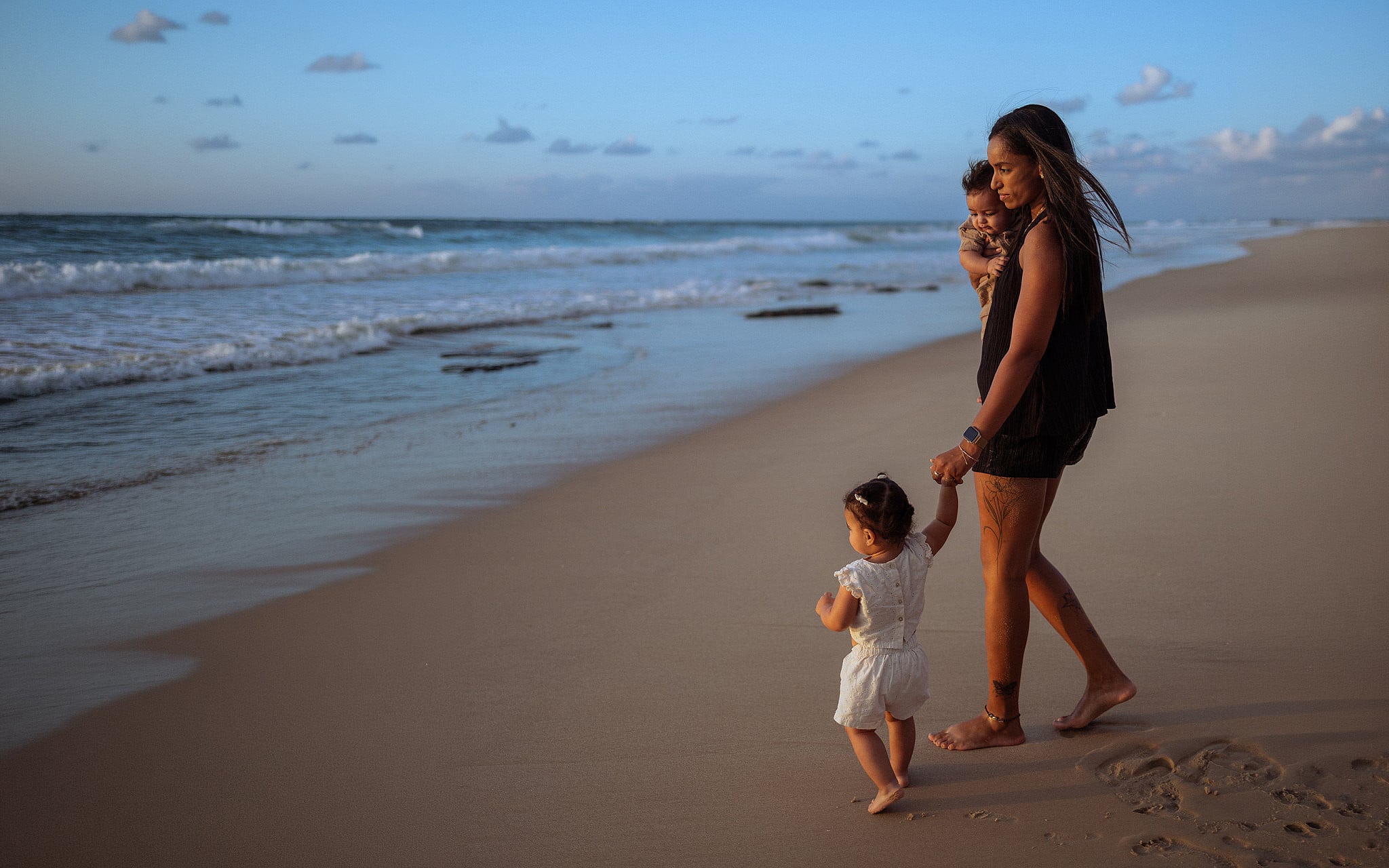
Shosh Hobelashvili with her two children on Ashkelon Beach. Her husband, Avi Hobelashvili, was killed while battling terrorists at the Nova music festival on October 7, 2023. (Credit: Maayan Firuz)
Every day, men and women in uniform place themselves between danger and the people they love. Most come home. Some do not. What follows – for their families and for the country – is far less understood.
On Israel’s northern border, a tank crew climbs into its Merkava IV before dawn, engines rumbling as they move toward the hills of Lebanon. In Tel Aviv, an IDF reservist has just been called up and is heading down south. In the skies above, a pilot flies into hostile airspace on a mission over Iran. Another soldier holds a position he knows cannot be abandoned, because behind him are civilians who must be protected.
Most return home to their families.
Some are carried home, for burial.
When a soldier dies in the line of duty, something irreplaceable is taken from the world. A life that should have stretched across decades ends in an instant. The days that would have filled that life disappear with him.
And yet, the country he defended goes on living – as it must. Across Israel, children go to school, families gather for dinner, a couple meets for a first date, a plane arrives with tourists, and the streets, offices and places of entertainment move with the rhythm of daily life.
This is the paradox at the heart of national defense. The safety of the Jewish homeland – and the lives of the millions who call it home – rests in the hands of those who serve in its defense. Israelis are able to live their lives thanks to them – and most of all, thanks to those who gave their lives in its defense.
The debt created by such sacrifice can never truly be repaid. Those who fall defending Israel give something beyond measure. There is no ceremony, no words, no act of remembrance that can balance that loss.
Mere hours after a soldier has been killed, a cemetery fills with people. Soldiers stand in formation beside a fresh grave. A coffin draped in the flag of Israel is carried in and lowered into the ground. Eulogies are delivered, some steady, others breaking under the weight of what cannot be contained in words. The closest members of the family recite Kaddish.
But the funeral ends. The cemetery empties. The days of shiva pass. And almost inevitably, any real sense of what their sacrifice demands of us fades.
A soldier has given his life. What more than commemoration can we, as a people, offer?
That instinct is mistaken.
Because the debt owed to the fallen does not end with them and their burial. It lives on in the lives of the spouses, children, parents and siblings they left behind – the very people they would have asked us, above all else, to stand by.
A wife must now build a life never meant to be lived alone. Children grow up without the parent who should have been there – for both the small moments and the special ones.
The consequences of that sacrifice do not belong to a single day. They unfold across years. Across decades.
In ceremony, we know how to honor the fallen with rituals that are deeply embedded in the State of Israel and in Jewish communities around the world. But remembrance is not the same as responsibility.
The question is not only how we honor the fallen for a moment – but how we stand with those they left behind, for a lifetime. This must become second nature – a shared understanding that the debt does not end, even when wars do.
This is how a nation lives up to what was given on its behalf. We are a people with a deeply rooted culture of giving, capable of extraordinary generosity. What is missing is not compassion, but the internalization of what is required of us.
In my work supporting the wives and children of Israel’s fallen soldiers through the IDF Widows & Orphans Organization, I see every day how long the shadow of sacrifice is.
At our healing retreat for widows with young children this past December, I spent time speaking with Shirly Cohen Machlof. She is the widow of Sahar Machlof – a battalion commander and father of their three young boys, Yotam, Omer and Lavi. On October 7, as terrorists overran the base at Re’im, he left the command center to join the fighting, and was killed.
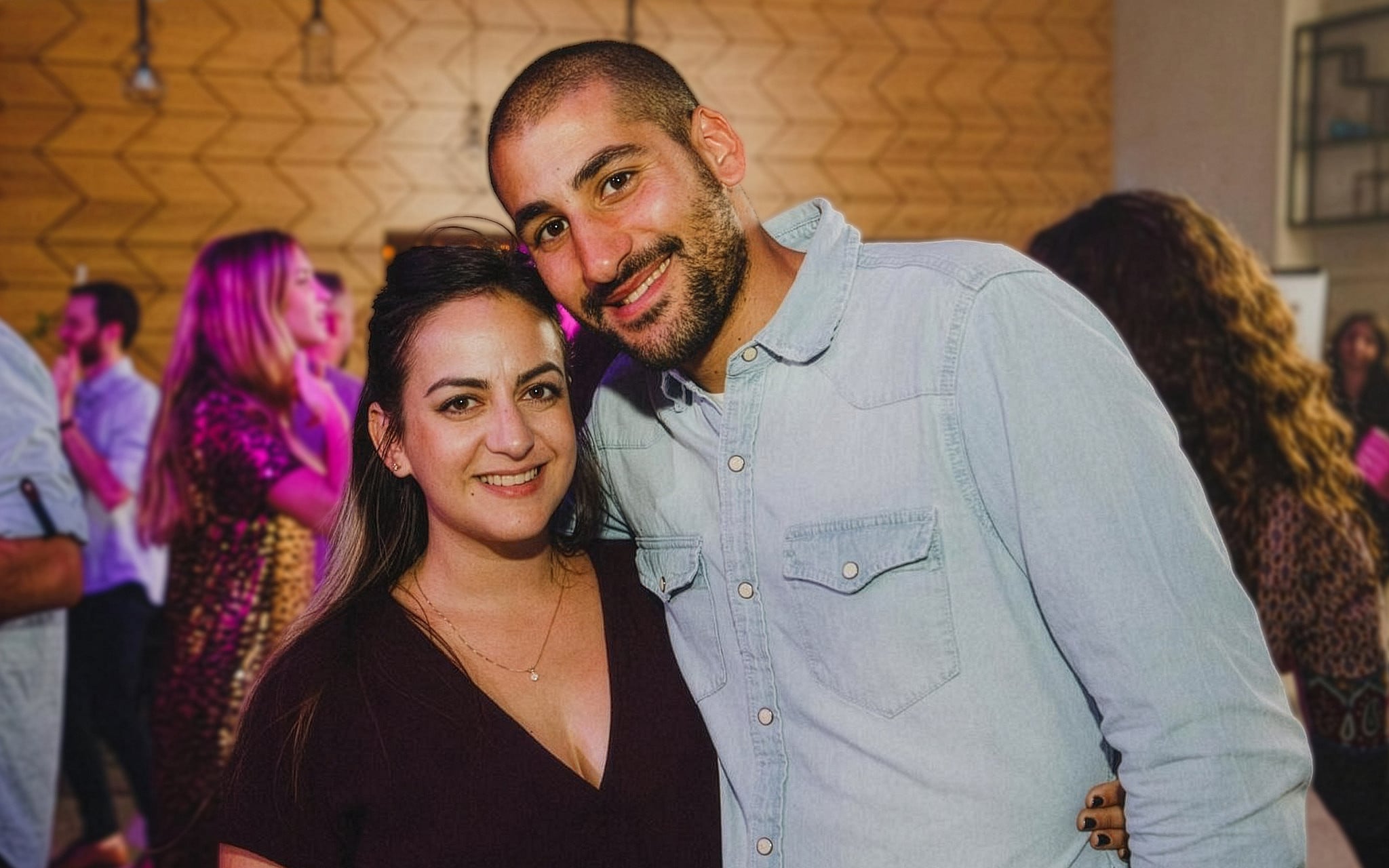
She said that “thanks to him – and to other brave soldiers – we are here today. So we live day by day and do everything we can to make it worth it. We are here to stay and to have a good life, because we know that he wanted that for us.”
That is what she – and so many others – are trying to do: to make it worth it.
For Shirly, it means raising their three boys – building a life that reflects the one Sahar would have wanted for them. It will be shaped by the quiet weight of what is missing, and by the effort to keep going without it.
This is where the debt can be honored – ensuring that those whose lives were shaped by ultimate sacrifice are not left to carry it, or to rebuild their lives, alone.
This is not charity.
It is not generosity.
It is what we owe.
And it requires a shift in how we think.
Related Topics