
Sports, Politics, Broadcast and Media Specialist
The Video That Rattled Israel’s Legal Order and Reverberated Across the World
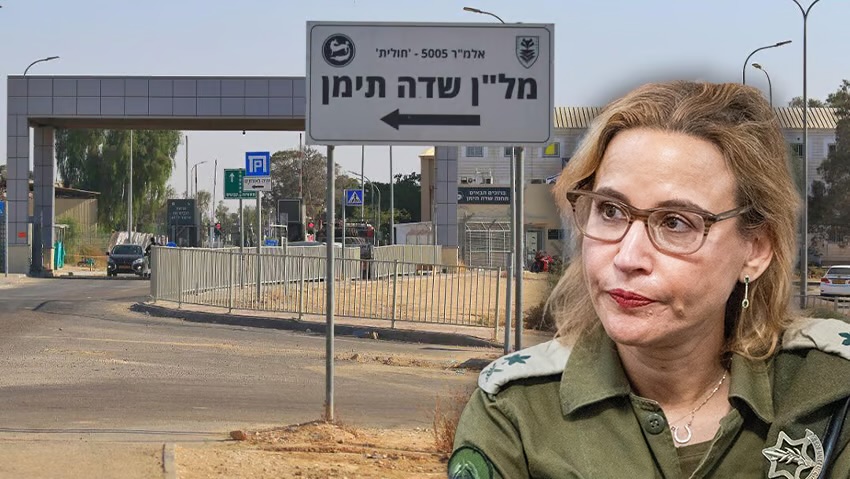
Military Advocate General Maj. Gen. Yifat Tomer‑Yerushalmi(Photo: Meir Even Haim, Shalev Shalom)
The first time global audiences heard of the Sde Teiman facility, it was through fragmented eyewitness testimonies, NGO reports, and scattered military statements about detainees held during Israel’s military operations. It was controversial, yes, but distant, seemingly another convoluted tale in a region full of them.
That changed the moment a video emerged purportedly showing a detainee surrounded by soldiers with riot shields, partially shrouded from the camera. The footage was disturbing to the outside world but substantially lacked any real context. But the revelation that Israel’s top military lawyer had leaked that video jolted the story onto the world stage.
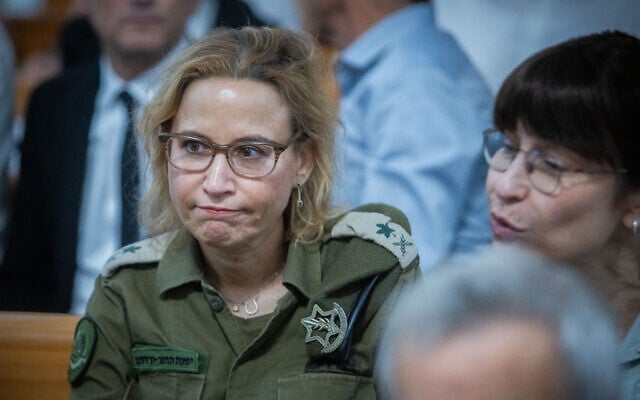
Yifat Tomer-Yerushalmi had been the IDF’s legal north star and now former Military Advocate General (MAG)— a figure meant to represent the rule of law within the military. Then, suddenly, she became a suspect: arrested, interrogated, accused of abusing her position and at one time even disappeared. Tomer-Yerushalmi’s disappearance in the aftermath of her initial arrest is another wrinkle in this complex saga that is yet to play out. It is rare for a military legal system anywhere in the world to find itself investigating its own chief. In Israel, it is unprecedented.
This scandal comes at a moment when global scrutiny of Israel’s wartime conduct is more intense than at any time in the past decade. Reports of abuse at Sde Teiman had already prompted international inquiries. Human rights organizations described the facility as a “black hole” for detainees, citing allegations of beatings, humiliation, and medical negligence. Israel has denied systematic wrongdoing but acknowledged isolated incidents. The leaked footage, however, made denial harder — and the leak’s origin made the situation explosive.
Inside Israel’s justice system, the dominoes fell quickly. Senior officials, including the Attorney General herself were drawn into the investigation as potential witnesses. This created an institutional conflict of interest so sprawling that the High Court had to intervene.
The sliding doors moment
Justice Minister Yariv Levin attempted to appoint retired judge Asher Kula as the temporary overseer of the investigation. The Court blocked that attempt—not because the minister lacked appointment power, but because Kula was barred by law from taking on additional responsibilities in his role as Ombudsman for Complaints Against Judges.
And thus the court was forced to intervene, with a ruling that legal scholars immediately recognised as extraordinary. The Court tried to bind this new ministerial power with strict guardrails:
- That it may be used only in situations of overwhelming necessity,
- That the transferee must be a senior, apolitical professional,
- That the authority applies solely to the investigative stage.
The Court declared that the Justice Minister does have the authority however to select a civil servant to assume supervisory powers normally held solely by the Attorney General or State Attorney. This acknowledgment had never before appeared in Israeli jurisprudence. The justices were fully aware of its gravity; their ruling repeatedly stresses that the Attorney General’s powers must remain within the prosecutorial hierarchy under normal conditions but under the unique set of circumstances carved out a singular exception. These are meaningful limits, but for the first time, a politician has been granted a foothold into the supervisory chain of a criminal investigation. Even if intended as a one-time tool, the precedent exists. Future governments tend to remember such openings.
Even more striking is the starting point for this whole development: the effective disqualification of the entire upper tier of Israel’s prosecution service. While the conflicts of interest are indeed numerous, the idea that an entire institution can be sidelined en masse is something the system has never grappled with in such explicit terms.
Why does that matter?
Because prosecutorial independence is the bedrock of any democratic justice system. Allowing political hands anywhere near it is like letting water seep into a building’s foundation. The damage may take years to show, but once it does, it’s usually irreversible.
Meanwhile, Tomer-Yerushalmi sits at the centre of a storm she both unleashed and attempted to control. Supporters call her a whistleblower whose conscience overrode institutional loyalty. Opponents call her reckless, politically motivated, even traitorous. Both views may contain shards of truth.
The reality?
The Sde Teiman scandal has exposed vulnerabilities in Israel’s democratic structure more sharply than any protest movement or legislative fight could. It has revealed what happens when institutional trust frays, when political pressure intensifies, and when the system tasked with upholding the law suddenly finds itself on trial.
The High Court’s decision is not the final word. An expanded panel may reconsider it. New revelations may reshape the narrative. The political implication, domestic and international are still unfolding.
But one fact is already clear — the Sde Teiman affair is not merely a military scandal. It is a test of Israel’s democratic resilience, a case study in how modern states navigate the thin line between security and accountability, secrecy and transparency, power and principle.
And the world is watching.
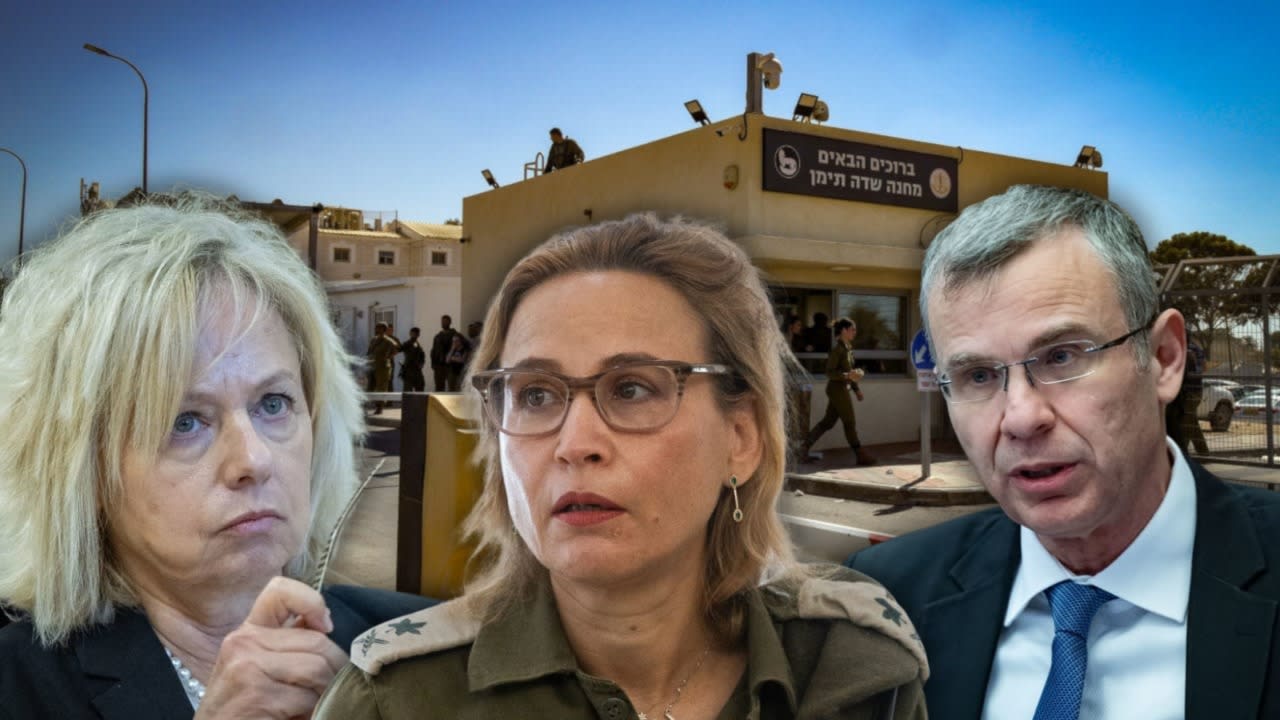
(photo credit: DUDU GREENSPAN/FLASH90, OREN BEN HAKOON/FLASH90, YONATAN SINDEL/FLASH90)
Related Topics